
Furnace Repair in Ohio
Homes in Ohio are older than in 43 of the other 49 states.
Tell us about the job
Takes about a minute. No obligation.
- 23°Fwinter overnight low where people live
- 8 monthsof heat, October through May
- $12.89 per million Btuwhat homes paid for natural gas in 2024 (Btu means British thermal units, a measure of heat)
- 818winter storms from 2015 to 2024
Ohio winters are normal strain. Eight months of heat, October to May.
- Northern counties need about 12% more heat than southern ones
- Winter nights average 23°F where people live
- Heat runs October through May
- 818 winter storms from 2015 to 2024
- Climate zones 4A and 5A across the state
- 18% of homes lost power a day or more in 2024

Older homes mean older furnaces
Half the homes in Ohio were built in 1970 or earlier. That's a lot of older furnaces, and older furnaces are the ones you have to watch. A heat exchanger can crack after enough years of running. A furnace that short cycles or kicks on the carbon monoxide alarm is telling you something worth listening to. If yours came with the house, it's worth asking a contractor straight out how many years it has left before you put real money into a repair.
A furnace that runs most of the year is going to wear parts out eventually. That's normal use, not a sign that something was built wrong or installed wrong. Igniters fail, flame sensors get coated, blower motors wear down. None of that means the furnace itself is a bad unit, it just means something inside it reached the end of its run.
Natural gas in Ohio ran $12.89 per million Btu in 2024. That number does not make a furnace work harder or fail sooner. It just means the fuel the furnace burns has a cost, and a furnace that is cycling more than it should, or not heating like it used to, is worth a look regardless of what gas prices do.
Eight months of heat, starting in October
October is when this shows up. The furnace that sat quiet since spring gets asked to run flat out, and whatever was already weak gets found in that first cold stretch. Ohio runs heat October through May, eight months, longer than most of the country. That's a lot of hours on a part that was already struggling. If something's acting up now, at the start of the run, it's worth getting looked at before the coldest months lean on it harder.


3 months of cooling, June through August
8 months of heat, October through May
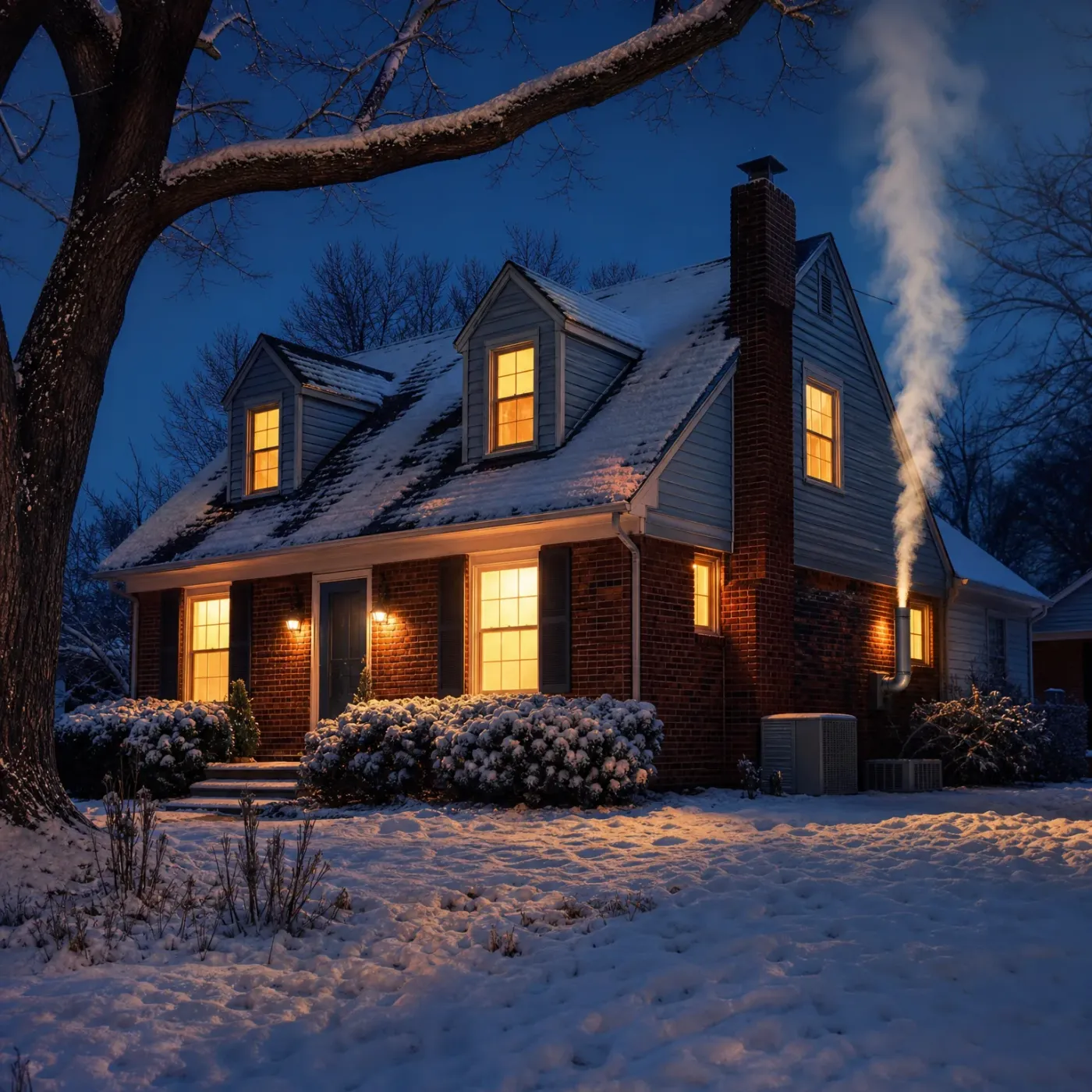
Where a home sits in Ohio changes what wears out first, even though the fix is the same no matter the state. Homes in the northern counties need about 12% more heat over a year than homes in the southern counties. That means more hours of runtime, more cycles on the igniter, more chances for a flame sensor to foul.
Geauga County sits at the top of that range. Homes there need about 34% more heat over a year than homes in Lawrence County, which has the lowest heating need in the state. A furnace in Geauga County does meaningfully more work each winter than one in Lawrence County. More hours means more wear, plain and simple.
None of this changes what actually fails. A furnace in Geauga County still goes out from a bad igniter or a sticking pressure switch, same as one in Lawrence County. It just happens sooner, and happens again sooner, because the thing has more hours on it by the time spring comes.
What does a furnace in Ohio face?
How cold do winter nights get?
23°Faverage overnight low where people live
North Dakota4°F
Hawaii65°F
How many months does the heat run?
8 monthsof heating a year
Hawaii0 months
Alaska12 months
What does natural gas cost?
$12.89per million Btu, what homes paid in 2024
Montana$7.77
Hawaii$53.25
How often do storms hit?
178severe weather events per county from 2015 to 2024
Alaska5
Wyoming1,057
How many homes lost power for a day or more?
18%of homes in 2024
Arizona7%
Maine54%
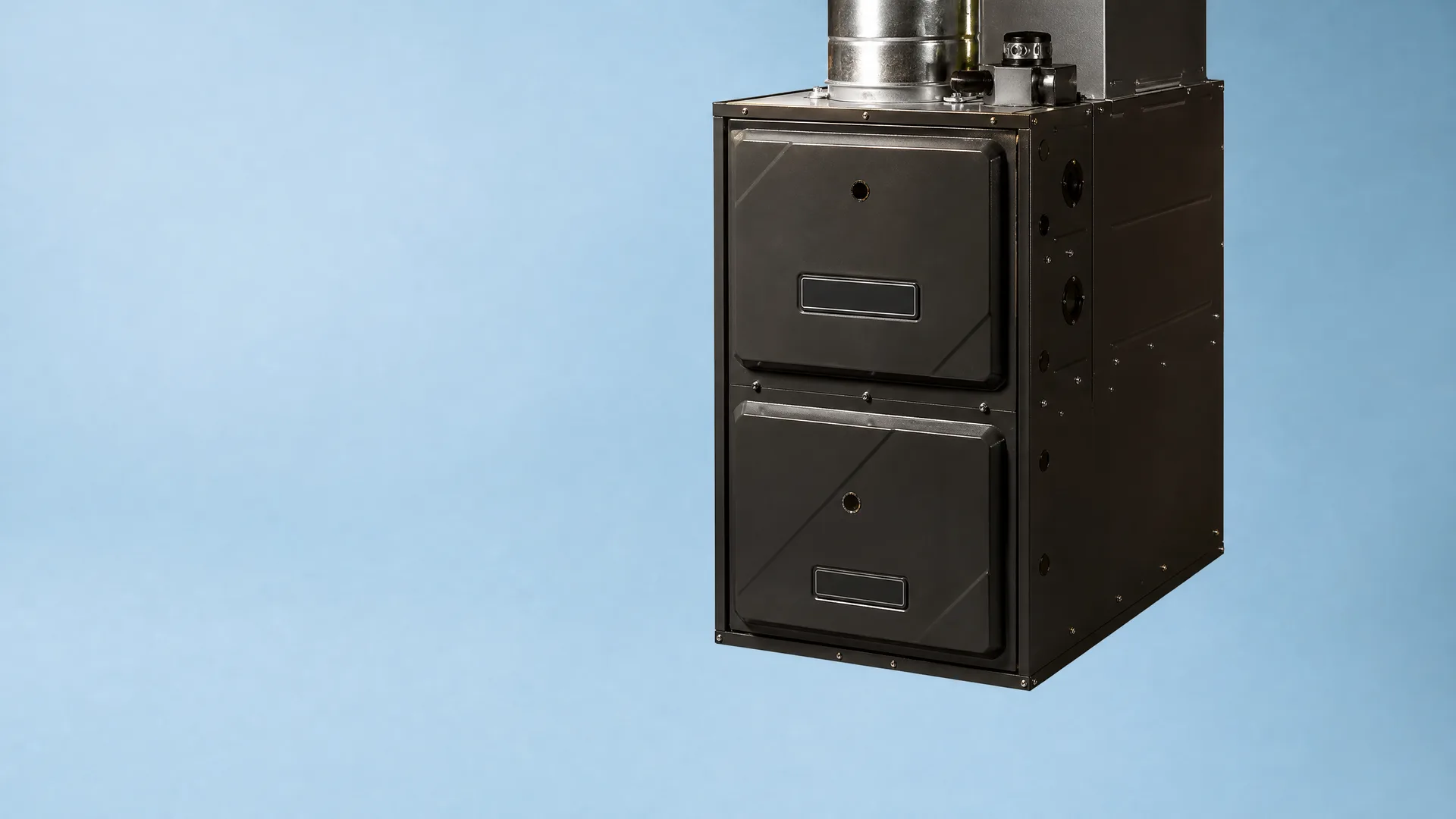
What a failing furnace sounds and looks like
A furnace usually tells you something is wrong before it quits outright. It short cycles, running for a few minutes then shutting off before the house warms up, because a flame sensor coated in residue can't confirm the flame is still lit. It blows cold or lukewarm air through the vents while the blower keeps running, which points to an igniter that won't glow or a gas valve that isn't opening. It gets loud. A bang or boom at startup usually means gas is pooling before it catches. A screech or grinding sound points to the blower motor or its bearings. A burning smell that doesn't fade after the first run of the season is not normal, and neither is a yellow or flickering flame where it should burn steady. Soot around the burner or a musty, stale smell from the vents is worth mentioning to whoever comes out. None of these mean the same repair. Some are a sensor that needs cleaning. Some mean a part has to come out. But a furnace acting up and left alone usually gets worse, not better, and it's the kind of thing worth having someone look at before it stops working on the coldest night of the year.
What happens when someone comes to look at it
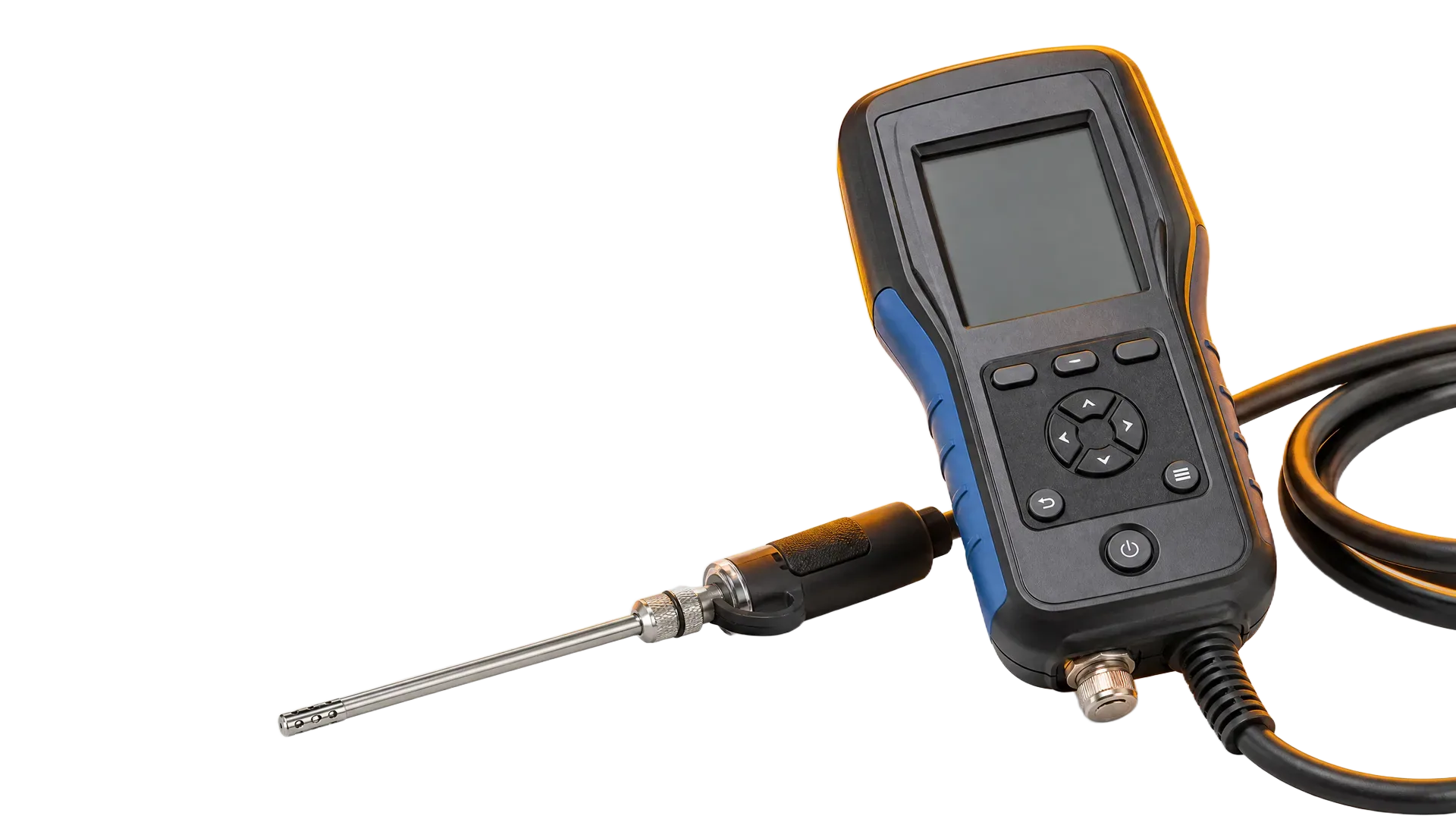
A tech starts by asking questions. What the furnace is doing, when it started, whether it happens every time or just sometimes. Then the panels come off and the furnace gets watched through a full cycle, ignition, flame, blower, shutdown. That's usually where a weak flame sensor or a slow igniter shows itself. After that come the readings. Gas pressure, temperature rise across the heat exchanger, amp draw on the blower motor. Each one gets checked against what the furnace is supposed to be doing, not just whether it runs. A furnace can fire up fine and still be failing underneath that. The heat exchanger gets its own look too, often with a mirror or a camera, because a crack in it doesn't always show to the eye. By the end, the tech should be able to point to the one part causing the trouble and say what it takes to fix it, rather than swapping parts and hoping one of them was the problem.
An older house, an older furnace
Most houses in Ohio are single-family, the kind that usually has its own furnace rather than sharing one with other units. Half the homes in the state were built in 1970 or earlier, which puts Ohio among the older housing stock in the country. A furnace that old has likely been swapped out at least once. But if yours came with the house, it has been running on borrowed time for a while now. Before paying for a repair on a furnace that old, ask the contractor straight out how many years it has left in it.
A furnace acting up now is worth sorting out before the cold months lean on it harder.
Tell us about the job
Takes about a minute. No obligation.
Fill out what's going on with your furnace and a licensed contractor in Ohio will call to look at it.