September is the month to get ahead of it
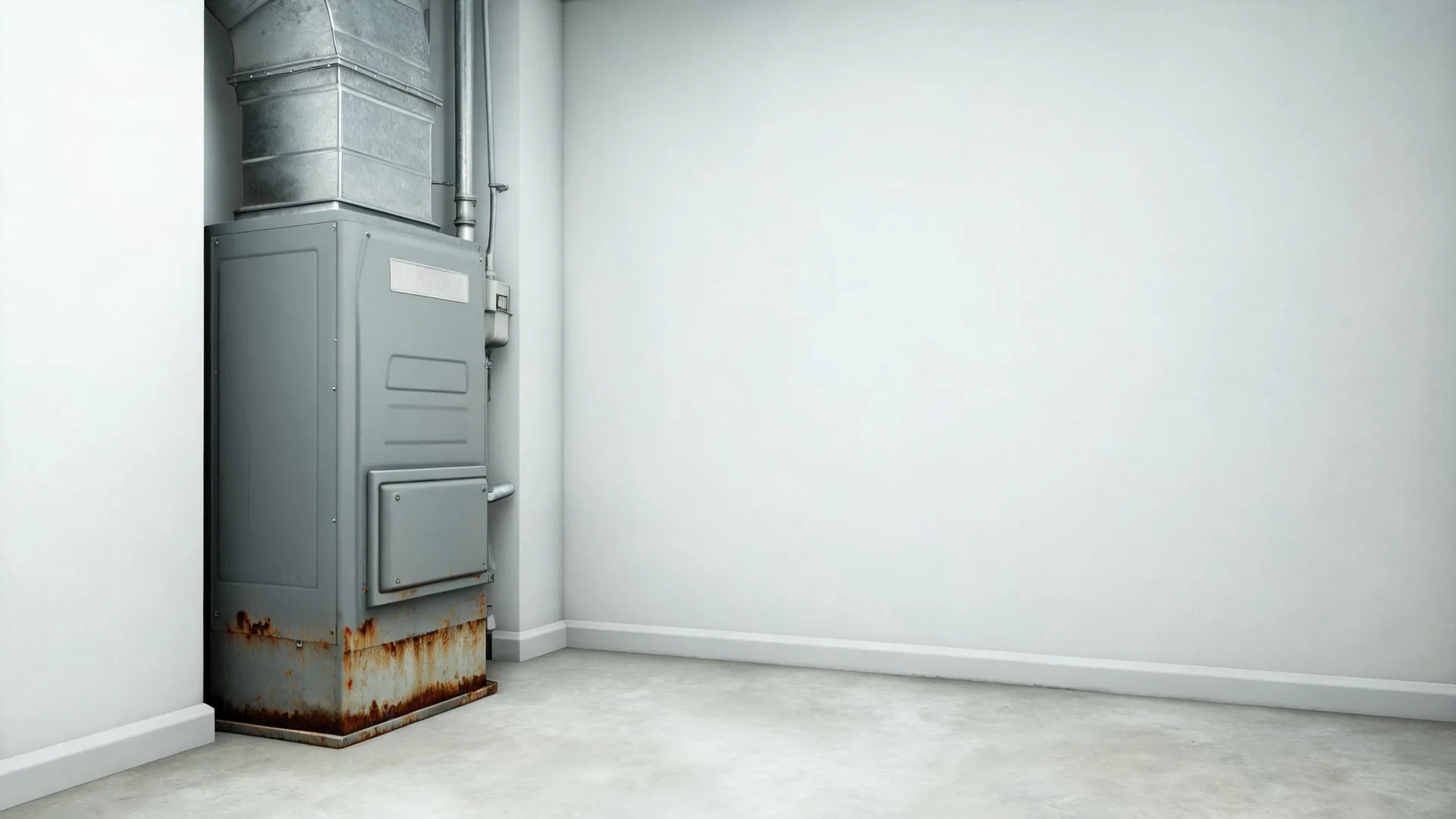
Furnaces in Muskingum County sit idle from spring until October. A weak igniter or a failing inducer motor won't show up while the system is off. It shows up the first cold morning the heat gets switched on.
Takes about a minute. No obligation.
Furnaces in Muskingum County sit idle from spring until October. A weak igniter or a failing inducer motor won't show up while the system is off. It shows up the first cold morning the heat gets switched on.
A furnace here runs eight months straight, October through May. Whatever part was already marginal before the season started is the part most likely to give out once the furnace is running every day.
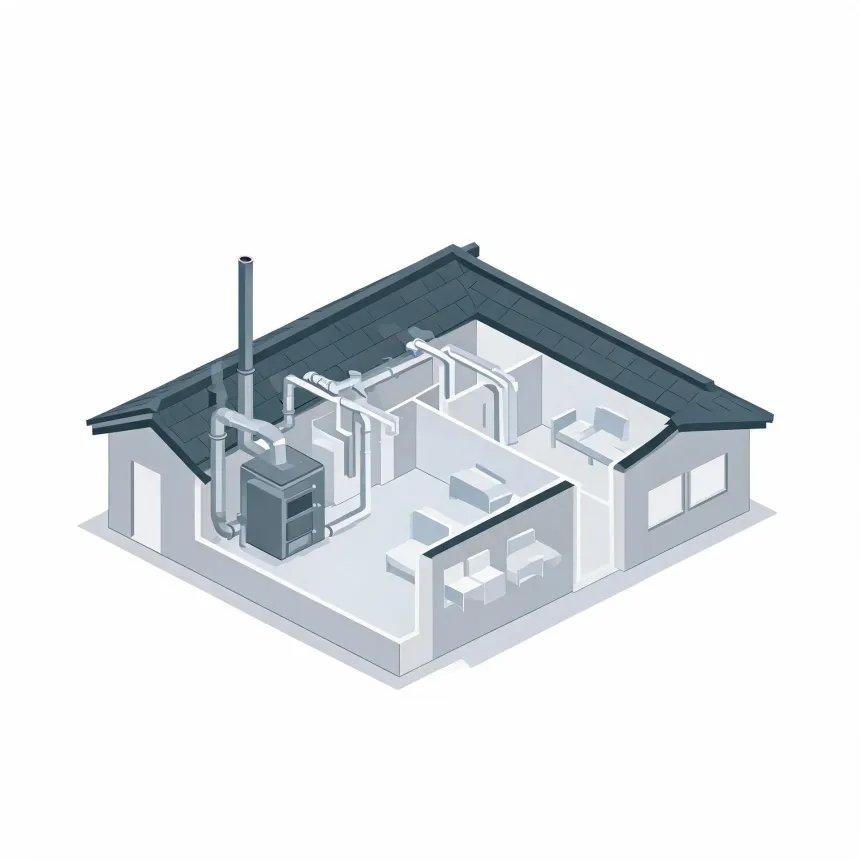
NOAA nClimDiv, 1991–2020 normals
The igniter is the part most likely to fail, and it fails from simple wear.
Every cycle heats it up and cools it down, and after enough winters it cracks.



Muskingum County gets rough weather. Damaging wind has hit the county 107 times in the past decade, with 9 tornadoes in there too. None of that is what wears out a furnace. Wind and hail work on the roof and siding. They don't touch the burner or heat exchanger sitting down in the basement. A furnace here fails the same way it would anywhere else. A part gets old, or dust and debris choke something that needs to breathe. The one real connection to storms is a power outage, and most furnaces just fire back up once the power's back on. So if the furnace isn't working right, the weather almost certainly isn't why.
A furnace that won't fire in Zanesville usually comes down to one thing. A worn part gave out, and it has to be found and replaced. Natural gas runs $12.89 per million Btu in Ohio right now. A furnace running on a bad part burns more of that gas to make the same heat.
Find a contractorA cracked heat exchanger is the clearest case. Keep running the furnace and combustion gas gets into the air the blower pushes through the house, instead of staying inside the exchanger where it belongs. A dirty flame sensor is a smaller problem that turns into a bigger one. The furnace starts, loses the flame, tries again. That short cycling wears out the igniter and the inducer motor faster than normal heating ever would. A clogged filter hurts the heat exchanger too, by starving it of airflow. It runs hotter than it was built for and cracks sooner. None of these get better with time or use. They get found, or they get worse.
Pull the filter out and hold it up to a light. Can't see through it? Air can't get through it either. The furnace will struggle to pull in enough air to run safely. Checking the filter rules out the most common cause of a furnace running weak or shutting off on its own.
Make sure the thermostat is set to heat and set above room temperature. Check that the power switch on the furnace or its nearby outlet hasn't been bumped off. Look at the breaker too. If the furnace still won't respond after all that, the problem is inside the unit. Time to call someone.
Estimates for a typical Muskingum County home, compared with an older unit built to the previous federal minimum, from EIA household energy data, Ohio fuel prices and NOAA climate normals. Your home will differ.
Repair makes sense when one part has failed and the heat exchanger is sound.
Replacement makes sense when the heat exchanger is cracked or the furnace keeps needing parts.
A diagnostic visit starts with questions, not tools. A tech asks what the furnace was doing right before it quit. Blowing cold air? Short cycling? Not responding at all? That tells them where to look first. From there it's a set order. Check that the thermostat call is reaching the furnace. Check that the igniter is glowing or sparking when it should. Check that the flame sensor is actually reading a flame once one lights. Check the pressure switch and the inducer motor that pulls combustion air through the system. A multimeter does most of the real work. It tests for voltage and resistance at each part instead of guessing from how things look. The visit ends with the failed part named, not just the symptom. A furnace that won't fire could be any one of several problems, and only one of them is actually wrong.