A lit brick residential street at dusk showing a row of two-story homes with covered porches and mature trees.

Furnace Repair in Bowling Green, OH

Tell us about the job

Takes about a minute. No obligation.

RepairFurnace or heatingWood County, OH
Step 1 of 2

What ZIP code is the job in?

September is the month to get ahead of it

Furnaces in Bowling Green sit idle from spring until October. A weak igniter or a failing inducer motor won't show itself while the furnace is off. It waits for that first cold stretch, when the heat finally has to kick on.


The first weeks find every weak spot

Once the furnace starts up in October, it runs eight months straight, through May. A part that's already marginal usually gives out early in that run, not months down the road.

8 months
October through May, your furnace is on duty
22°F
the average winter night it heats against
65%
of homes here heat with gas, so most furnaces here burn gas
6 winter storms
in ten years, the nights a failure hurts most
Isometric cutaway illustration of a house showing interior rooms with furniture, a furnace unit with a tall flue pipe outside, and ductwork running through the attic.
Your furnace works hardest from November through March.

NOAA nClimDiv, 1991–2020 normals

A furnace that short cycles, running a few minutes and shutting off before the house warms up, usually has a problem with the flame sensor or a clogged filter. The blower isn't the issue.

Short cycling wears out the igniter faster than normal running does. The longer it keeps happening, the sooner that part fails too.

A furnace breaks down here the same way it breaks down anywhere else

Half the homes here were built by 1978
Climate zone 5A
Heat runs October through May
Nothing out here pushes a furnace harder than normalWood County had 6 winter storms between 2015 and 2024. That's not what wears a furnace out.

A furnace in Bowling Green fails the same way a furnace fails anywhere. The gas burning inside it, the igniter lighting that gas, the blower pushing warm air through the ducts, that's the same equipment doing the same job as any other county. Natural gas ran Ohio homes $12.89 per million Btu in 2024, but that cost doesn't make a furnace fail any different. What breaks is whatever part was already worn. The fix is finding that part.

Get it looked at early

Problems tend to show up in the first weeks of the season, when the load hits a part that was already weak.

Find a contractor
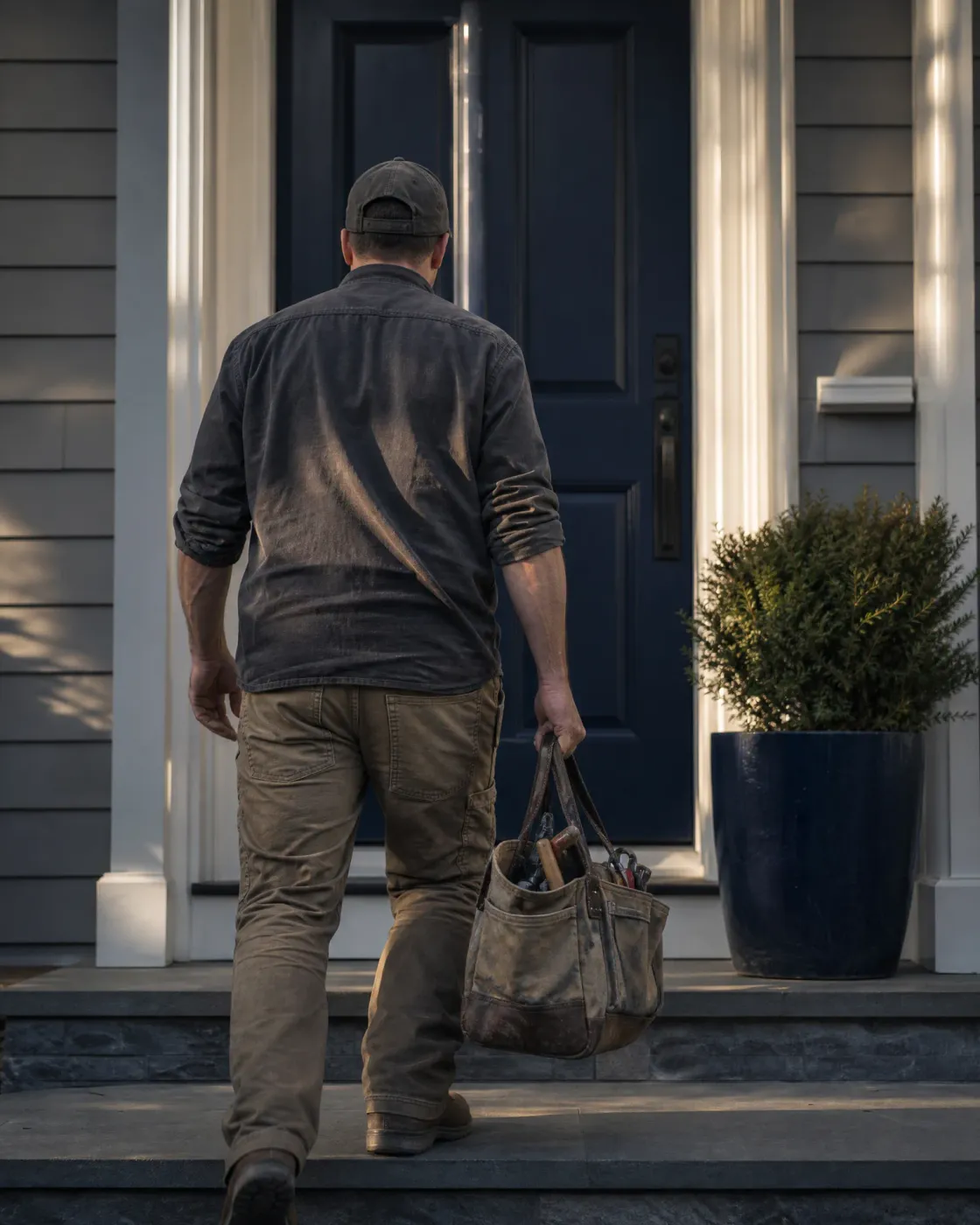
A man in a cap, dusty dark shirt and work pants walks up stone steps toward a dark navy front door, carrying a worn canvas tool bag, with a potted shrub beside the entry.
A gas furnace with attached ductwork, gas piping, and condensate lines installed in a concrete-block basement.

What you can check before you call

Start with the thermostat. Set it to heat, a few degrees above room temperature, not right at it. Then check the filter. Hold it up to a light. If light doesn't come through, that's likely blocking airflow, and the furnace is shutting off early to protect itself. Check the door panel on the furnace itself. There's a safety switch behind it, and a door that isn't seated right keeps the whole unit from starting. Got a standing pilot? Look for the small flame through the viewing window. If it's out, there's a reset or relight procedure printed right on the unit. Check the breaker box too. Sometimes a furnace that won't start just needs a tripped breaker reset. None of this means taking anything apart, and none of it makes things worse. If the furnace still won't run after all that, or it starts and quits on its own, a part is failing inside. That's not a homeowner job anymore.

A few parts wear out before anything else does

The igniter cracks with age and stops glowing hot enough to light the gas. The flame sensor coats with a film and can't tell the control board a flame is there. The inducer motor wears out and won't pull enough draft to satisfy the pressure switch. These are wear parts. None of them lasts the life of the furnace.

A failing part and a dead part can look the same

A dirty flame sensor reads the same to the control board as one that's actually failed. A cracked igniter close to the edge can act like one that's already gone. A tech can tell the difference with a meter. That matters, because cleaning a part is not the same job as replacing it.

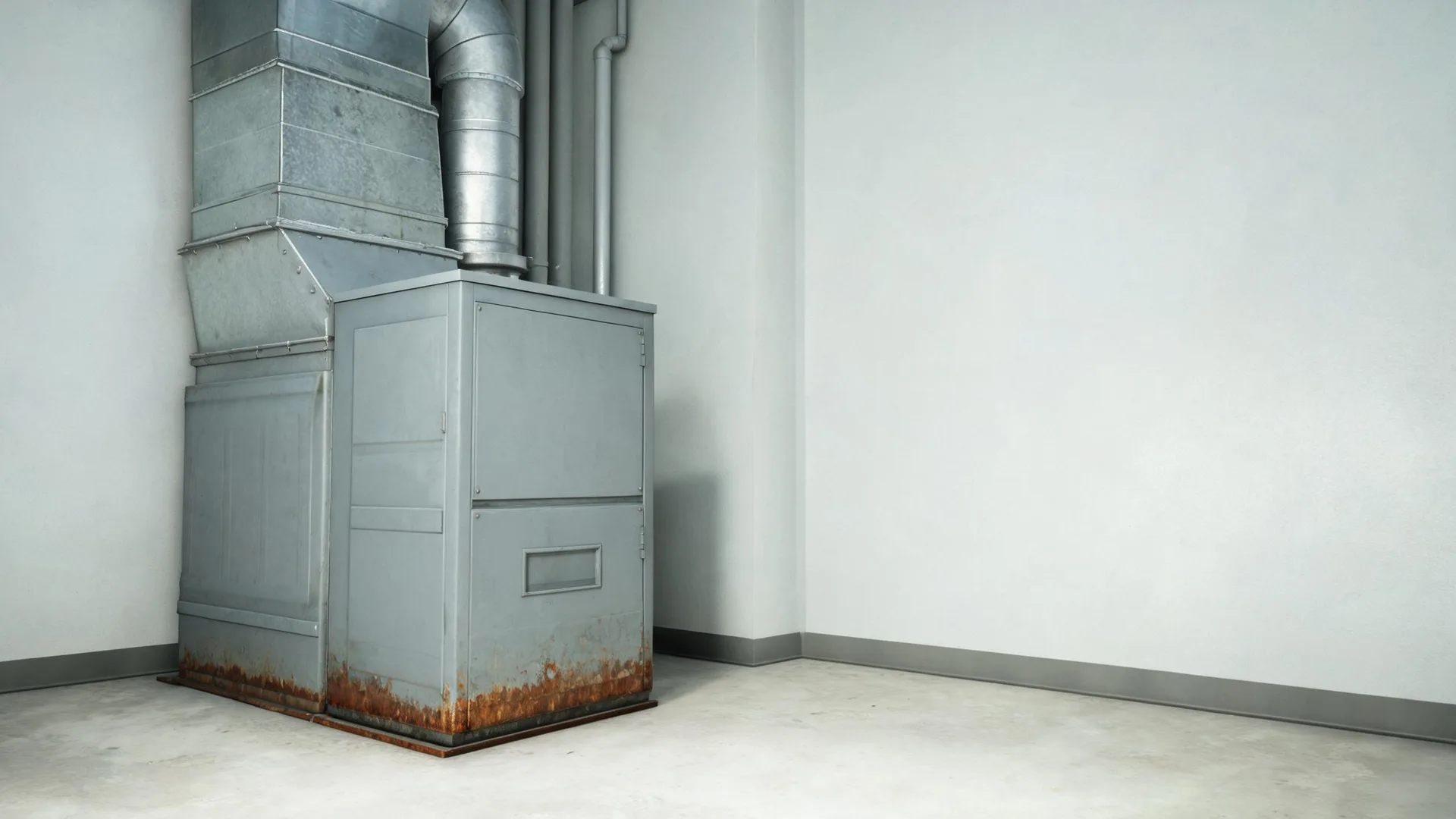
A bare concrete basement containing a gray gas furnace with metal ductwork and a vertical flue pipe, lit by a single hanging bulb.

A new furnace would cut about $160 a year off heating for a typical Wood County home.

  • A new high-efficiency furnace$670 a year
  • An older furnace$830 a year

Estimates for a typical Wood County home, compared with an older unit built to the previous federal minimum, from EIA household energy data, Ohio fuel prices and NOAA climate normals. Your home will differ.

Repair makes sense when one part has failed and the heat exchanger is sound.

Replacement makes sense when the heat exchanger is cracked or the furnace keeps needing parts.

A furnace is worth fixing when the broken part is cheap to reach and the rest of the unit is still sound. An igniter, a flame sensor, a pressure switch, these sit in the front of the unit. Swapping one doesn't say anything about the condition of the rest of the furnace. The heat exchanger is a different story. Once that cracks, the furnace is done. That's the part that keeps combustion gases out of the air moving through the house, and nobody patches it. Age on its own doesn't matter as much as how the furnace has been running. A furnace that's been reliable for years and just hit a bad igniter is worth fixing. A furnace that's needed a second or third repair in one season is telling you something more honest than its age ever could.