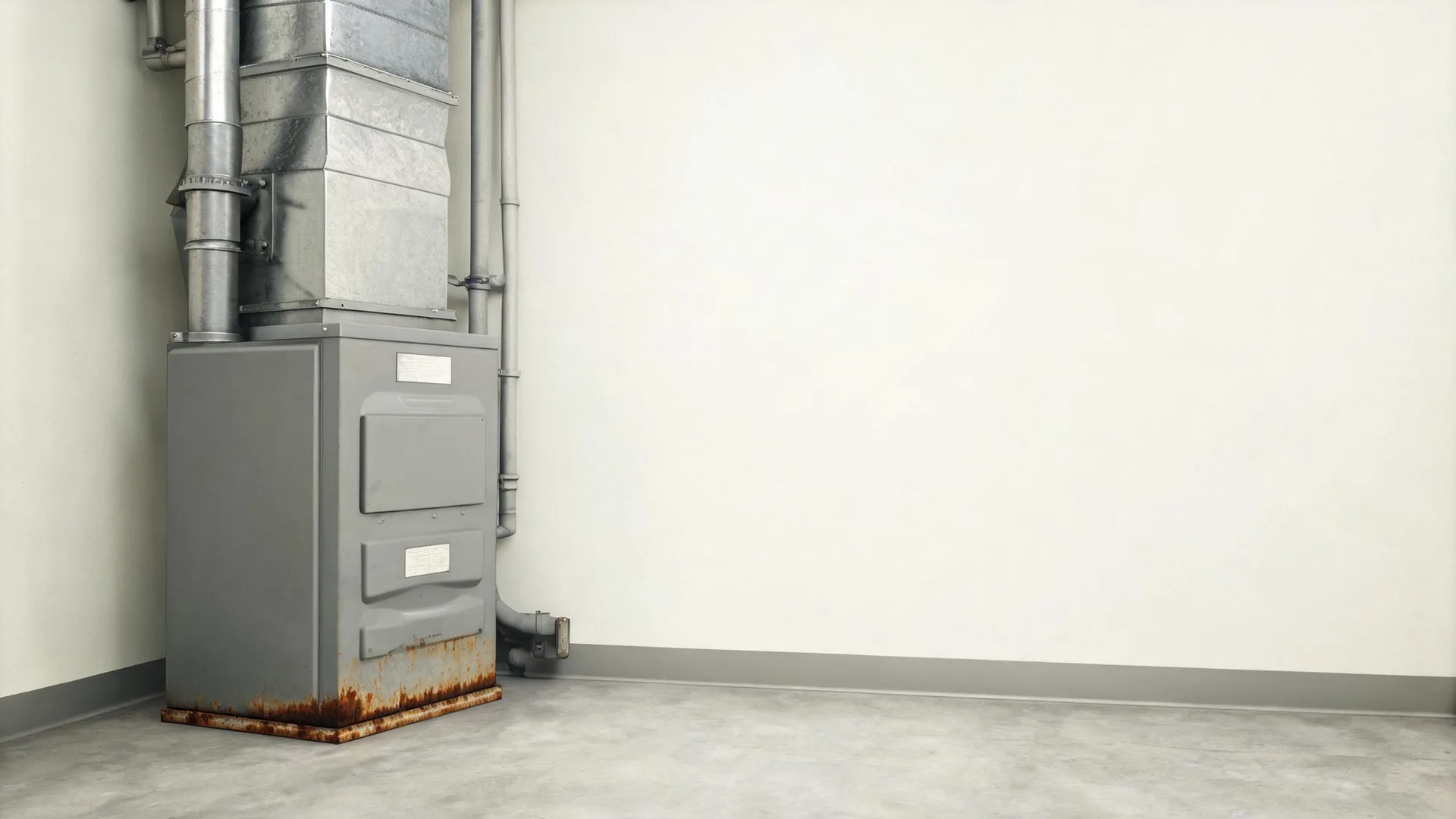
Eight months of work a year
Furnaces in Lorain County run from October through May. That's about eight months straight. That's a long stretch for an igniter, a blower motor, or a pressure switch to hold up without a break.
Takes about a minute. No obligation.
Furnaces in Lorain County run from October through May. That's about eight months straight. That's a long stretch for an igniter, a blower motor, or a pressure switch to hold up without a break.
A furnace that quits here is quitting for the same reasons it would anywhere else. Nights get down to 23°F on average in deep winter. That just means the breakdown gets noticed fast. It needs a real fix, not a workaround.
NOAA nClimDiv, 1991–2020 normals
Furnaces in Lorain County sit idle all spring and summer. October is when they kick back on.
A weak igniter or pressure switch can make it through the summer with no problem. Then it fails in the first cold weeks of October.




Lorain County had 148 severe weather events between 2015 and 2024, counting wind, hail, a few tornadoes, and winter storms. None of that is what wears out a furnace. A power blip during a storm can trip a limit switch or reset a control board. That's usually a quick fix once someone looks at it. The furnace itself fails for the same reasons furnaces fail anywhere. A cracked igniter. A stuck valve. A motor that's run its course. If yours quit during calm weather last week, that's not something to read into. It's just the part giving out when it was going to give out anyway.
Nothing about this area is especially hard on it. It's most likely the usual problem with the usual fix.
Find a contractor
A furnace that's struggling will keep running. Right up until it doesn't. What happens in between is the problem. A cracked heat exchanger gets worse every hour it keeps heating. A blower motor pulling too much current runs hotter each cycle, and eventually it seizes instead of just slowing down. Even a clogged filter makes the system work against itself, and that strain lands on the next weakest part, not the filter. Shutting it off when something sounds or smells wrong doesn't fix anything. But it stops the damage right there, instead of letting it spread to a part that was fine an hour earlier.
The igniter, the flame sensor, the blower motor, and the pressure switch account for most furnace calls. Each one has a job that leaves no room for partial failure. The igniter either lights the gas or it doesn't. The flame sensor either proves there's a flame or shuts the gas off. When one of these goes, the furnace stops rather than struggling along.
A pressure switch that won't close can mean the switch failed, but it can also mean the inducer motor is weak or the vent is blocked and the switch is doing exactly what it's supposed to do. Replacing the switch without checking what made it trip just sets up the same failure again.
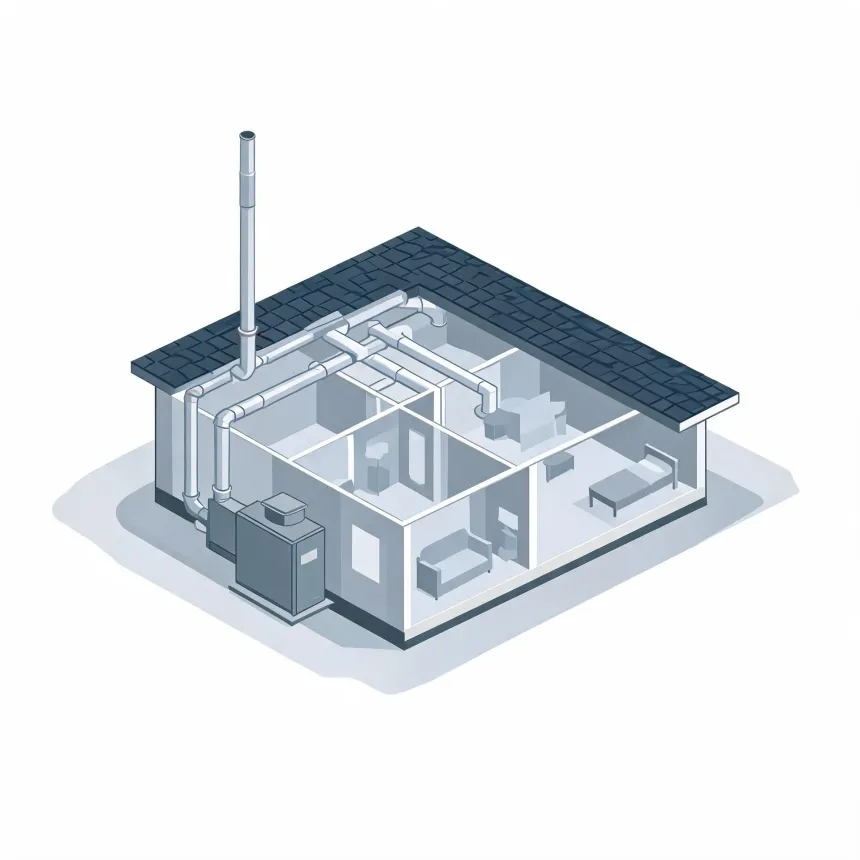
Estimates for a typical Lorain County home, compared with an older unit built to the previous federal minimum, from EIA household energy data, Ohio fuel prices and NOAA climate normals. Your home will differ.
Repair makes sense when one part has failed and the heat exchanger is sound.
Replacement makes sense when the heat exchanger is cracked or the furnace keeps needing parts.
A furnace that needs a repair every year isn't necessarily done. But that pattern is worth paying attention to. One control board failure is just that. A cracked heat exchanger is different. That means the furnace is done, no matter what else still works. That part isn't sold separately, and it's not meant to be patched. Age matters less than what's actually broken. An old furnace with a bad igniter is just a furnace with a bad igniter. The same furnace with a cracked exchanger, or a blower motor that's seized and taken the board with it, is a different conversation. The honest call looks at what's actually broken, not just the furnace's age. And it says plainly when a repair is just throwing money at something that's going to fail again, somewhere else, next year.