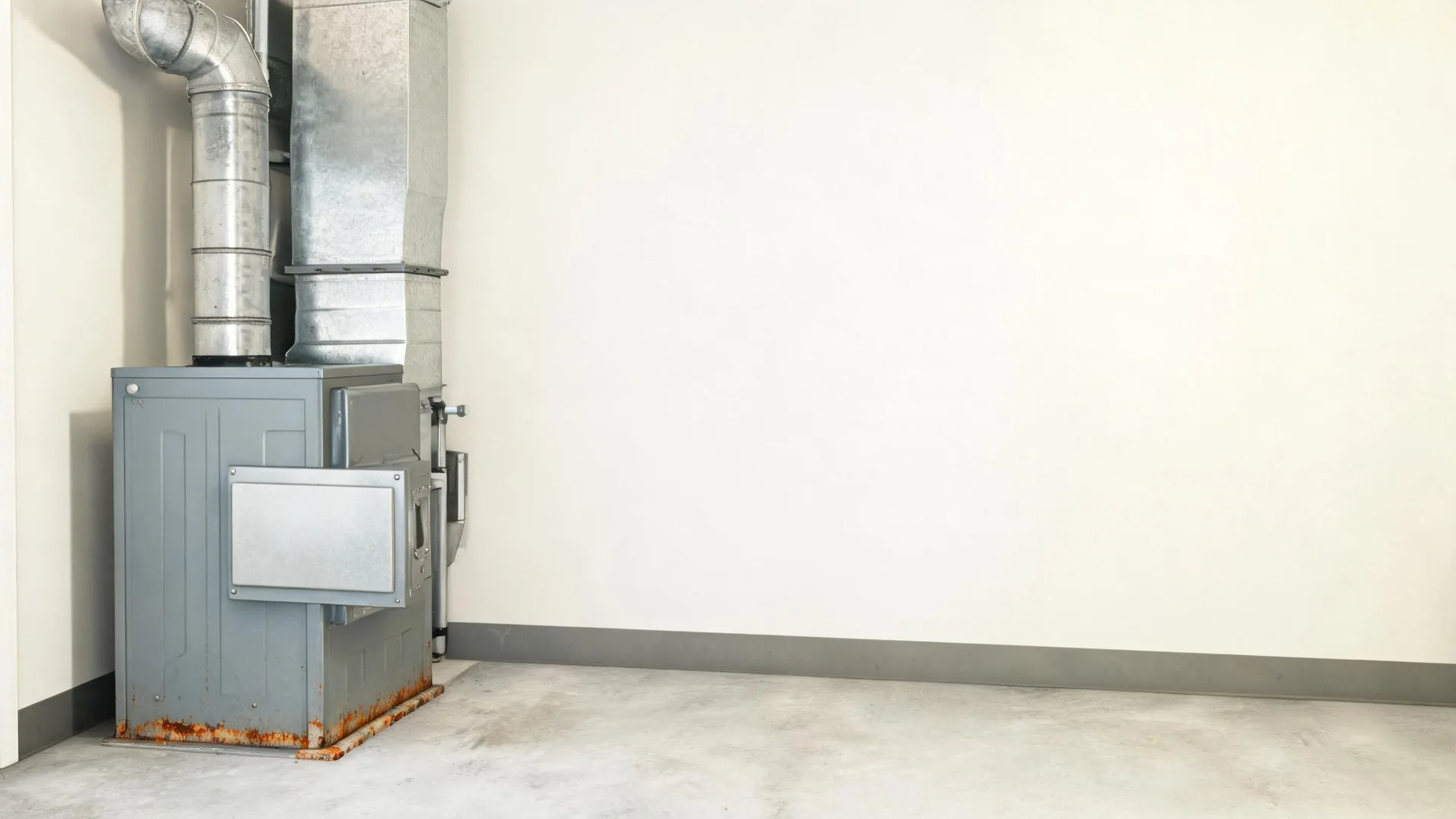
September is the warning month
The furnace has sat idle since spring. September is when a weak igniter or a failing inducer motor tends to show up, before the cold really sets in.
Takes about a minute. No obligation.
The furnace has sat idle since spring. September is when a weak igniter or a failing inducer motor tends to show up, before the cold really sets in.
Once the furnace is running every day from October on, whatever was already marginal is what fails first. A repair now is usually the same repair needed once the cold holds, just done before there's no heat.
NOAA nClimDiv, 1991–2020 normals
Furnace in Salem runs about eight months a year. That's October through May.
Eight months of runtime wears a furnace down the normal way. It fails the normal way too.



Columbiana County sees rough weather, 128 damaging wind events between 2015 and 2024, plus a handful of winter storms. None of that is what wears out a furnace. Wind takes down power lines and shingles, not igniters and inducer motors. What wears those parts out is ordinary runtime, the furnace cycling on and off through the cold months, year after year. So when a furnace acts up, the cause is almost always the same one any furnace would have at that age, at that point in the season.
Nothing about Columbiana County explains why a furnace is acting up. Ohio homes paid $12.89 per million Btu for natural gas last year, and a furnace running on that gas wears out the same way anywhere in the state. The cause is almost always ordinary wear at this age and this point in the season. A contractor can say what actually gave out and what it takes to fix it.
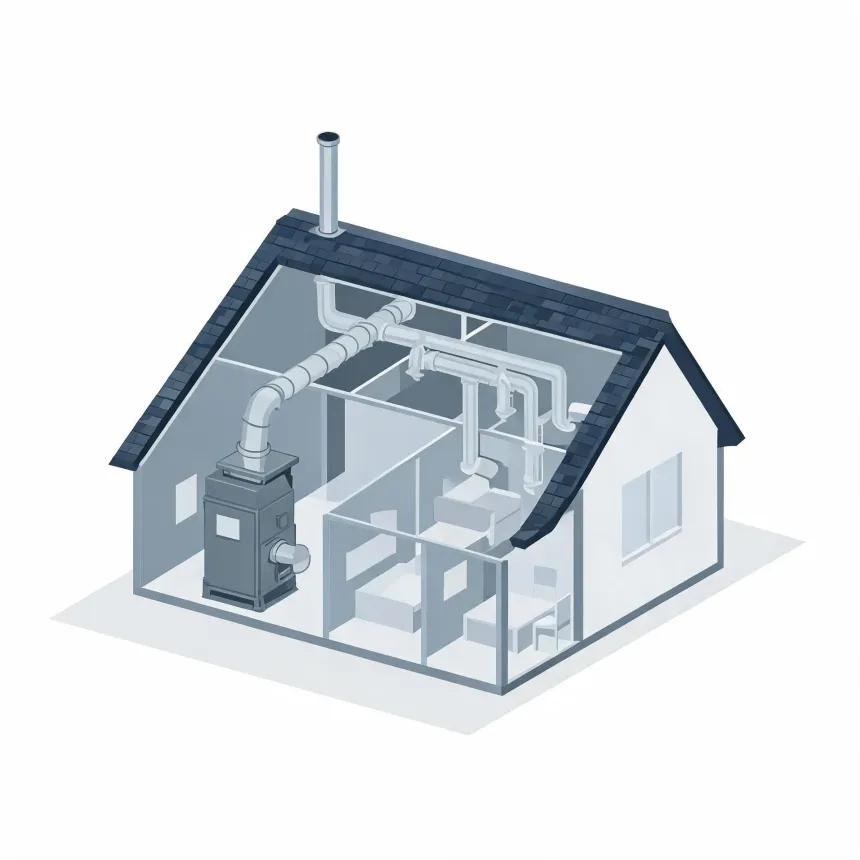
Find a contractorA furnace does not wear out all at once. The heat exchanger, the blower motor, the control board, and the igniter each age on their own schedule, and they fail in a different order in every house. So the real question is never how old the furnace is. It's which part gave out, and what that part means for the rest of the furnace. A cracked heat exchanger ends the conversation, since that's the part keeping combustion gases out of the air you breathe, and it isn't something to patch around. A failed igniter or a bad flame sensor is a different case, a small part doing one job, and replacing it buys the rest of the furnace more time. What broke tells you more than the furnace's age ever will.
Make sure the thermostat's set to heat, and set above room temperature, not just showing the room reading. Check the furnace switch too, the one that looks like a light switch near the unit. Make sure it's on. Check the breaker hasn't tripped. Any of these can get bumped without anyone meaning to, and any of them looks exactly like a dead furnace from the vents.
Pull the filter and hold it up to a light. If light doesn't come through, air isn't getting through either. A furnace starved for airflow shuts itself off to protect the heat exchanger. Swapping in a clean filter is something anyone can do. It rules out the simplest cause before anyone needs to come look at anything else.
Estimates for a typical Columbiana County home, compared with an older unit built to the previous federal minimum, from EIA household energy data, Ohio fuel prices and NOAA climate normals. Your home will differ.
Repair makes sense when one part has failed and the heat exchanger is sound.
Replacement makes sense when the heat exchanger is cracked or the furnace keeps needing parts.
A diagnostic visit starts before any panel comes off. A tech will ask when the trouble started and what the furnace was doing right before, short cycling, no heat at all, a smell, a sound. Then the panel comes off and the furnace gets watched through an actual cycle, not just looked at while it's off. That means checking for a flame and what color it burns, reading the sequence from call for heat to ignition to blower, and testing the parts that fail most, the igniter, the flame sensor, the control board. A multimeter settles most of it, since a part either reads the resistance it should or it doesn't. The furnace's own board often helps too, blinking a code that points at what it caught mid-cycle. By the end you should hear what failed, why, and what the fix involves, not just an estimate.