


A gray forced-air furnace with ductwork stands in an unfinished concrete basement surrounded by storage items and clutter.

Furnace Repair in New Philadelphia, OH

Tell us about the job

Takes about a minute. No obligation.

RepairFurnace or heatingTuscarawas County, OH
Step 1 of 2

What ZIP code is the job in?

Tuscarawas County logged 172 severe weather events between 2015 and 2024. Damaging wind was behind most of that, 124 times in that stretch, with 38 hail events and 8 winter storms bringing heavy snow or ice on top. A furnace itself sits inside, away from the wind and hail, but it still depends on outside power to run the blower and the ignition. Statewide, 18% of households went at least a full day without power in 2024. A furnace that shuts down in an outage isn't broken, but whether it starts back up on its own is worth knowing before a storm, not during one.

8 months
October through May, your furnace is on duty
22°F
the average winter night it heats against
64%
of homes here heat with gas, so most furnaces here burn gas
8 winter storms
in ten years, the nights a failure hurts most
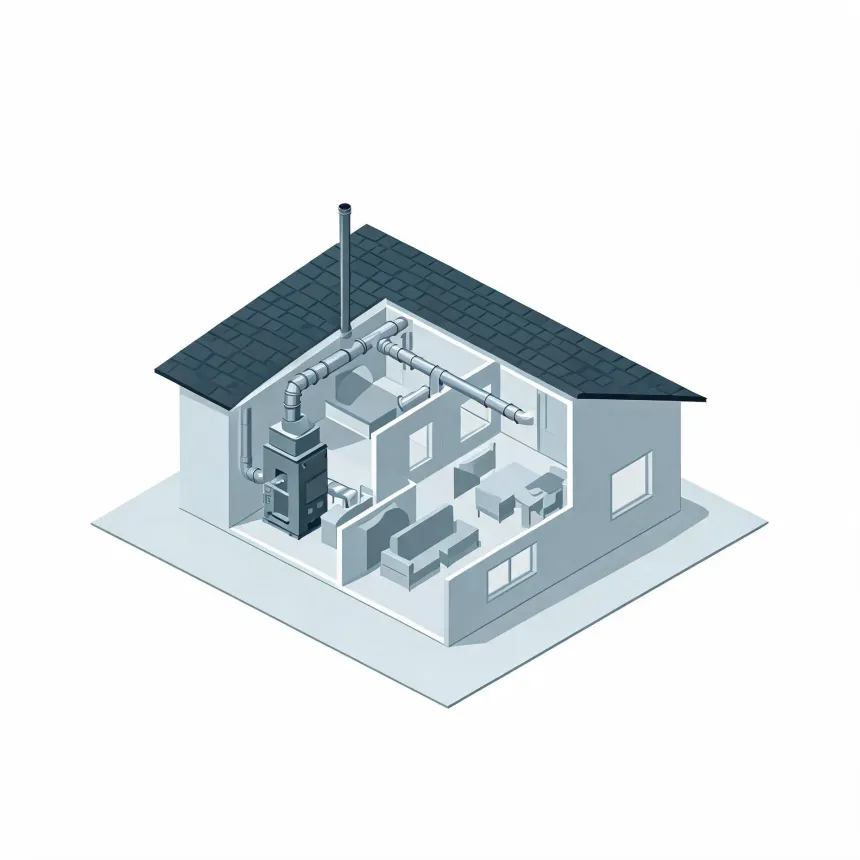
Isometric cutaway illustration of a single-story house with a dark shingled roof, showing a furnace with a flue pipe and branching ductwork running through interior rooms furnished with a sofa, table and chairs.
Your furnace works hardest from November through March.

NOAA nClimDiv, 1991–2020 normals

Half the homes in Tuscarawas County were built in 1971 or earlier.

A furnace that old has likely been replaced once already, but if yours hasn't, a big repair is worth weighing against what's left in the system.

Eight months of heat starting in October means a weak part gets found early

Heat runs October through May
Climate zone 5A
Winter nights average 22°F

Furnaces fail for a handful of reasons, and most of them trace back to wear on a part that moves or sparks every single cycle. The igniter fires every time the furnace starts, so it's usually the first thing to wear out, especially the hot surface type that glows to light the gas. A flame sensor coated in a thin layer of residue stops reading the flame correctly, and the furnace shuts the burner off as a safety measure even though nothing else is wrong. Blower motors wear at the bearings over years of running, and a motor that's losing strength often shows up as weaker airflow before it quits outright. Pressure switches and limit switches fail less from age and more from what's around them: blocked vents, a dirty filter, anything that changes the airflow or pressure they're built to expect. A cracked heat exchanger is different from the rest, since it's usually the result of years of normal heating and cooling stress on the metal rather than any one thing going wrong.

After a storm, check the furnace even if it still runs

If your area took wind or hail recently, that's a reason to have the furnace looked at, not just the outdoor lines and vents. A unit that starts back up after the power returns can still have a part stressed by the surge or the restart. Get it checked now, before the next cold stretch asks more of it.

Find a contractor
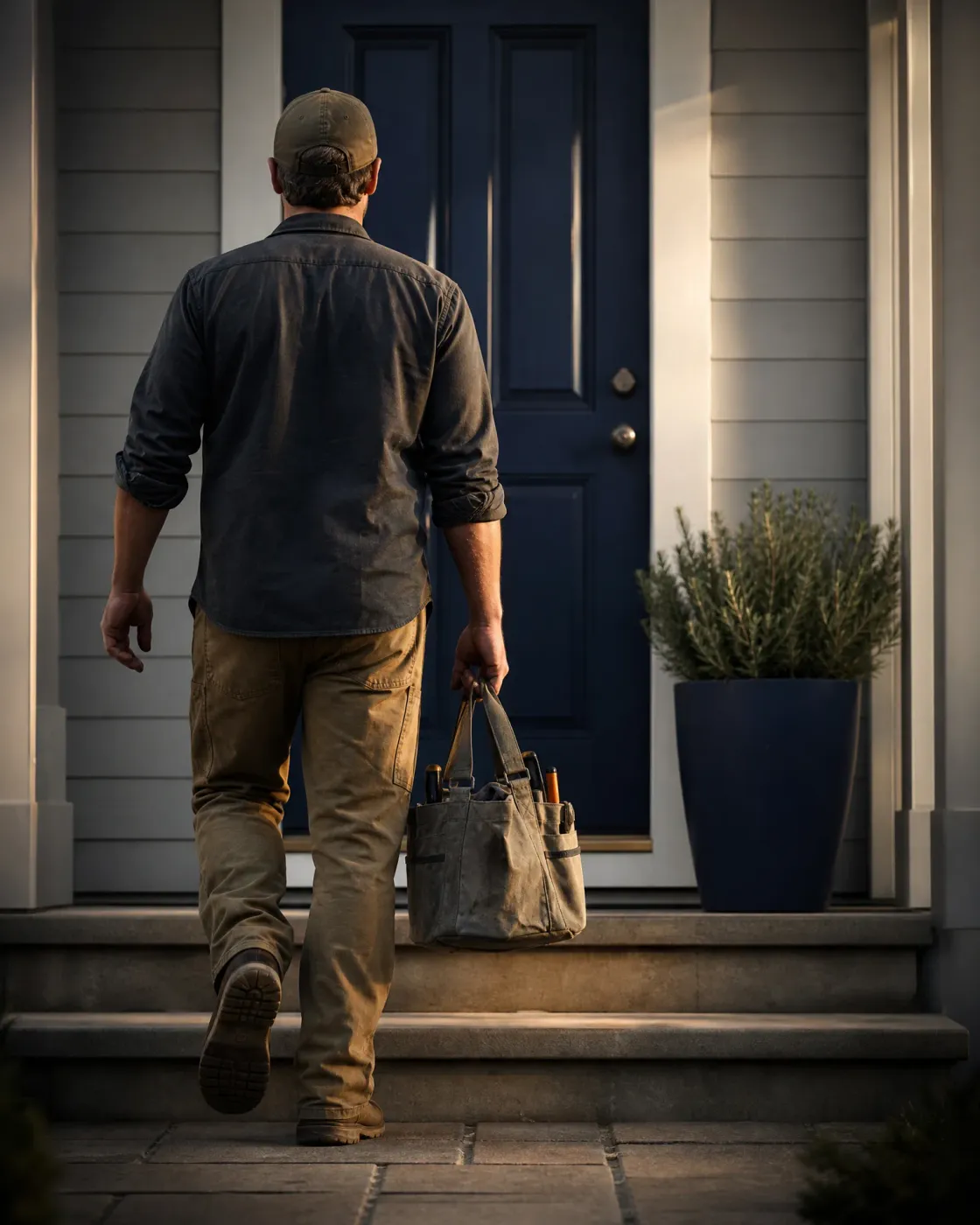
A man in a cap, dark shirt and tan work pants walks up stone steps toward a dark blue front door, carrying a canvas tool bag, with a potted shrub beside the entry.
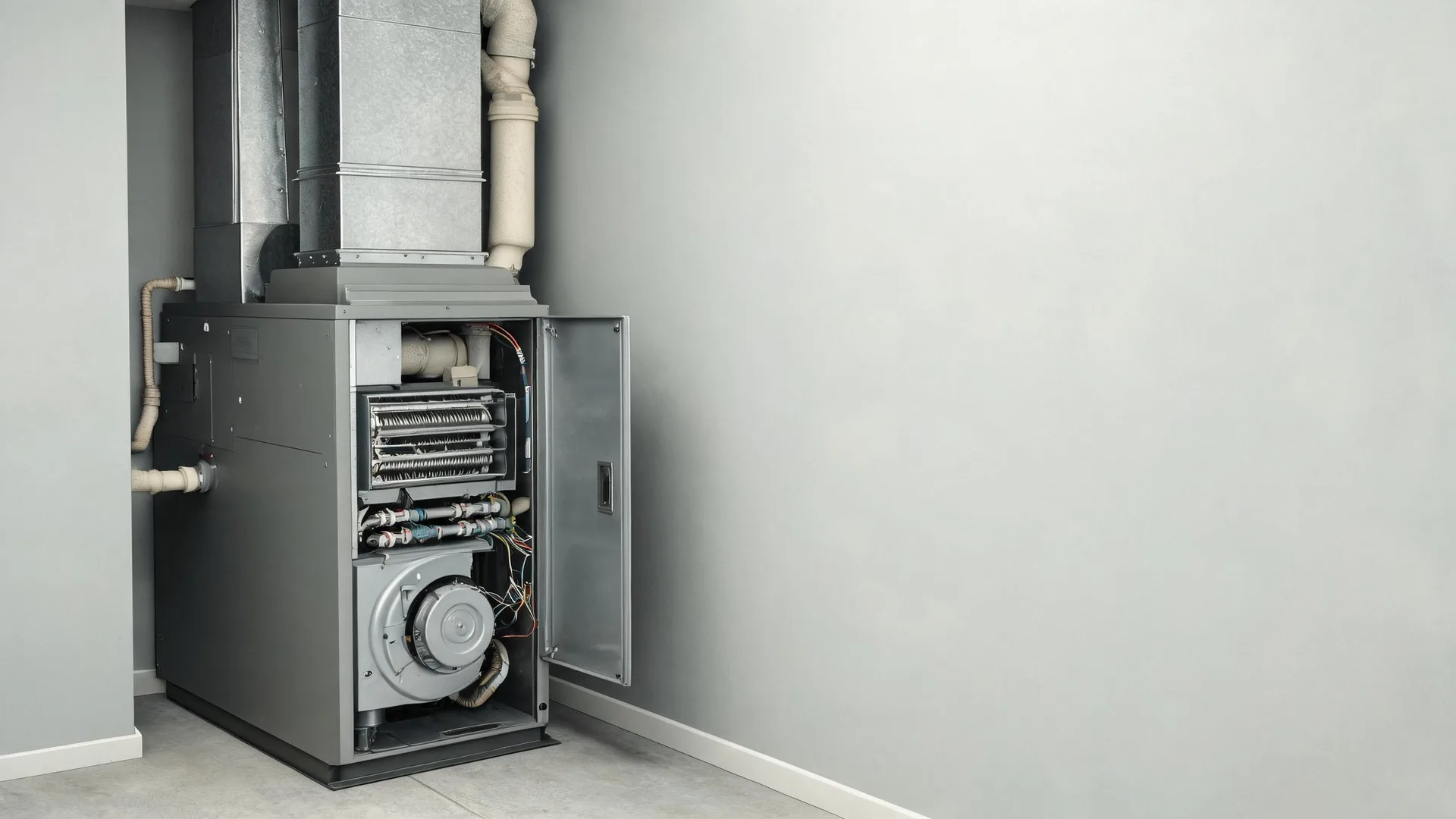
A gray residential gas furnace installed in an unfinished basement, connected to sheet-metal ductwork and PVC pipes.

The furnace usually tells you before it quits

A furnace usually tells you something is wrong before it quits for good. Short cycling is one of the clearest signs: it fires up, runs for a minute or two, then shuts off before the house warms up. That can mean a dirty flame sensor, a clogged filter, or a limit switch tripping because air isn't moving through the way it should. A burner that should glow blue but shows yellow or flickering flame needs attention soon, not eventually. Banging or popping from the ductwork when the system starts usually means air is trapped somewhere it shouldn't be. A blower that runs constantly, or one that won't shut off, points to a problem with the control board or the fan limit switch. Weak or cool air out of the vents when the burners are clearly running can mean a failing heat exchanger or a blower motor that's lost strength. And if you smell anything like gas, or notice soot around the cabinet, that's not a wait and see. Shut it down and get a technician out. None of these mean the furnace is finished, but each one is the furnace asking to be looked at before it asks harder.

A small problem can damage a bigger part

A cracked heat exchanger or a failing igniter does not stay contained to itself. Keep running a furnace with a dirty flame sensor and the burner shuts off and restarts over and over, and that cycling wears on the ignition system and the blower motor both. A limit switch that keeps tripping because airflow is restricted is doing its job, but every trip is the system straining against something that needs fixing, not resetting.

Running it anyway costs you the decision

Once a cracked heat exchanger lets exhaust mix into the air stream, or a blower motor seizes from strain it's been carrying too long, the job changes from a repair to a replacement. Catching a problem at the first short cycle or the first yellow flame usually means one part gets swapped. Waiting until the furnace stops can mean the damage has spread to a part that was fine a week earlier.

An unfinished basement featuring a grey forced-air furnace with metal ductwork, concrete block walls, exposed wooden joists, and a single hanging bare bulb.

A new furnace would cut about $160 a year off heating for a typical Tuscarawas County home.

  • A new high-efficiency furnace$660 a year
  • An older furnace$820 a year

Estimates for a typical Tuscarawas County home, compared with an older unit built to the previous federal minimum, from EIA household energy data, Ohio fuel prices and NOAA climate normals. Your home will differ.

Repair makes sense when one part has failed and the heat exchanger is sound.

Replacement makes sense when the heat exchanger is cracked or the furnace keeps needing parts.

A diagnostic visit starts before any panel comes off. A technician asks what you've noticed: when it happens, how often, whether it's gotten worse. Then they watch the furnace run a full cycle, start to finish, because some problems only show up a few minutes in. They'll check the flame through the viewing window, test the flame sensor and igniter, and look at the pressure switch and limit switch readings against what the furnace is supposed to be doing. Airflow gets checked too, since a lot of symptoms that look like a bad part are really air not moving the way it should through the filter or ducts. By the end they can usually point to the one part causing the trouble and tell you what it takes to fix it.