A row of illuminated two-story brick houses with front porches and mature trees photographed at twilight.

Furnace Repair in Dayton, OH

Tell us about the job

Takes about a minute. No obligation.

RepairFurnace or heatingMontgomery County, OH
Step 1 of 2

What ZIP code is the job in?

Montgomery County sees real storm damage

Montgomery County recorded 267 severe weather events between 2015 and 2024, including 188 damaging wind events, 60 hail events and 10 tornadoes. Nearly one in five Ohio households went at least a full day without power in 2024.

A furnace depends on parts that take the hit

Wind and hail reach the outdoor parts of a home's heating and cooling system. A long power cut can knock out the furnace's ignition and blower even if the gas line and ductwork are untouched.

8 months
October through May, your furnace is on duty
24°F
the average winter night it heats against
63%
of homes here heat with gas, so most furnaces here burn gas
8 winter storms
in ten years, the nights a failure hurts most
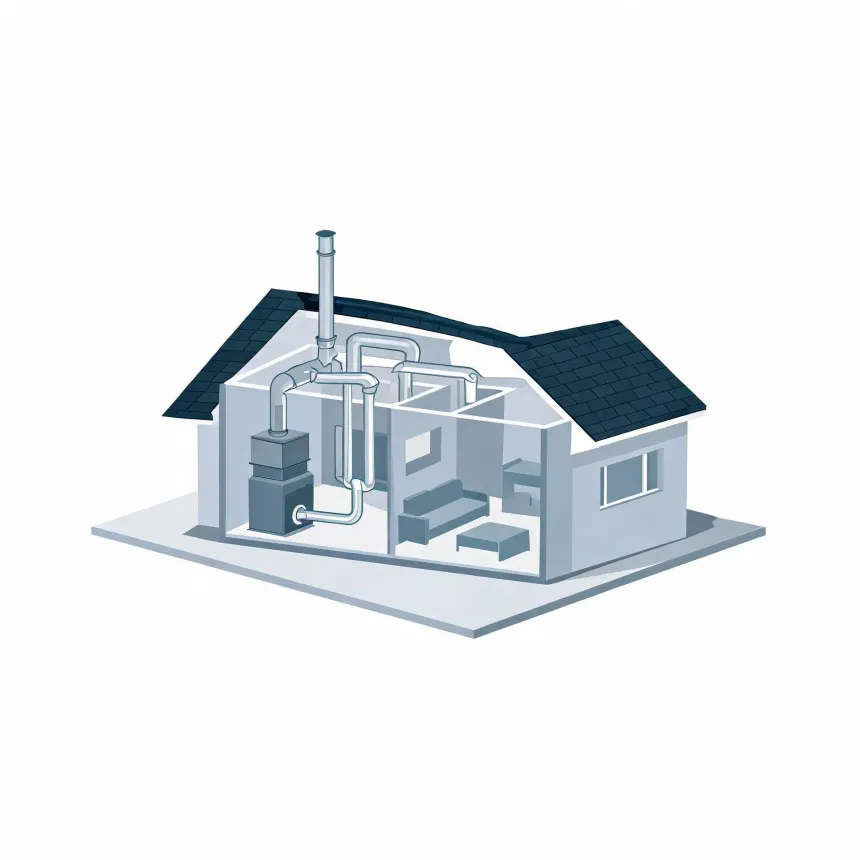
Isometric illustration of a cutaway single-story house showing a gray furnace unit, connected ductwork, and a vertical flue extending above the dark shingled roof.
Your furnace works hardest from November through March.

NOAA nClimDiv, 1991–2020 normals

Half the furnaces in Montgomery County sit in houses built in 1966 or earlier.

A furnace that old is worth checking before you pay for a major repair on it.

Eight months of heat starts the same way every October

Heat runs October through May
Winter nights average 24°F
Climate zone 5A

If your furnace came with the house and the house dates to 1966 or earlier, find out how old the unit itself is before signing off on a major repair. A furnace that has been running two or three decades may not be worth another big part. Ask the contractor for the age and condition of the heat exchanger along with the quote. That one piece of information tells you whether you are fixing a system with years left in it or paying to delay a replacement you will face anyway.

A furnace that rode out a storm is worth a check before it fails

If your furnace has been through wind, hail or a long outage this year, have it looked at even if it's still running. A furnace that took a hit to its ignition or blower can keep working for a while before it fails outright.

Find a contractor
A man in a dark shirt and tan work pants, seen from behind, climbs stone steps toward a navy front door while carrying a waxed canvas tool tote, with a potted lavender plant beside the entry.
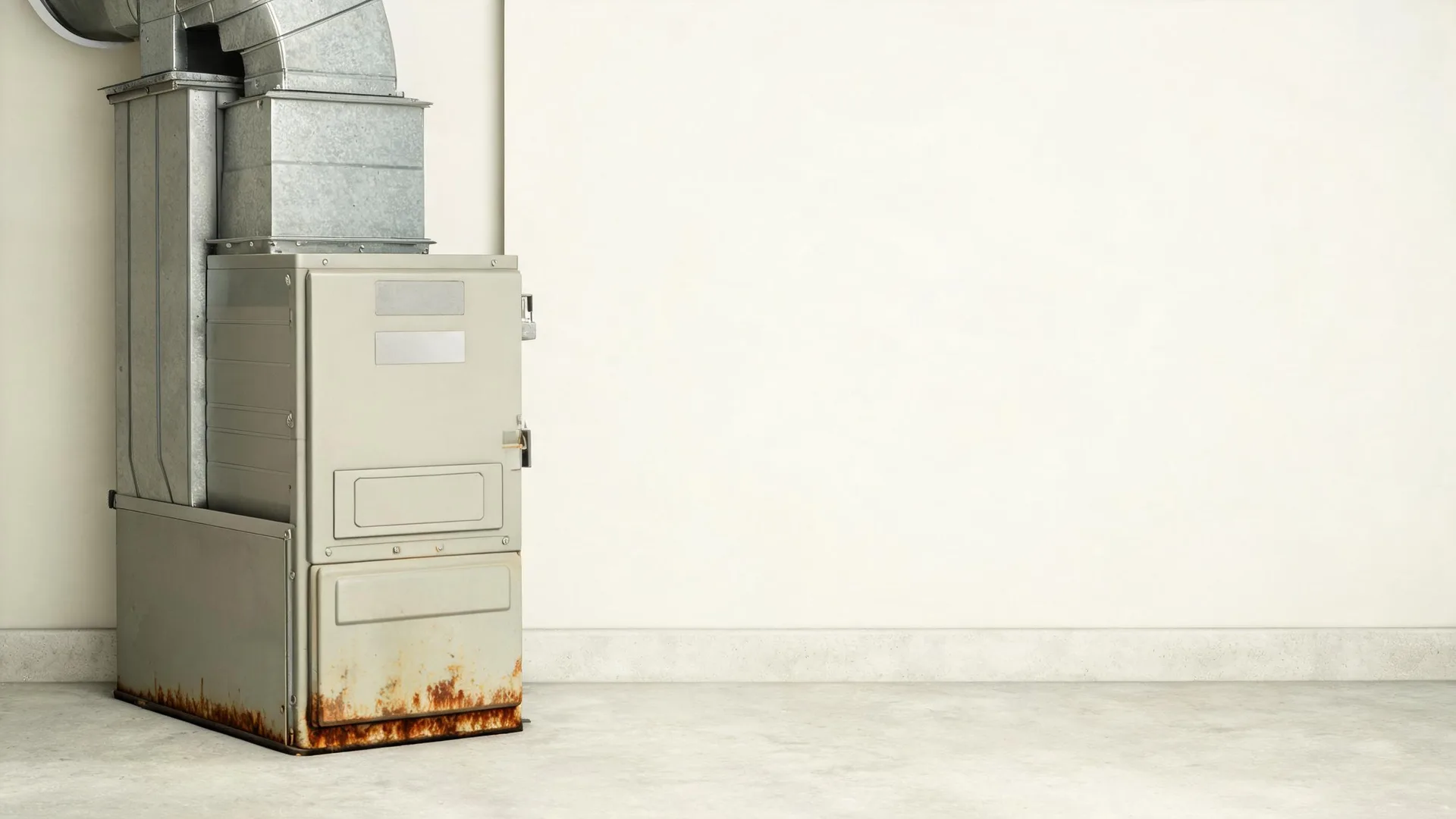
A gray residential gas furnace installed in an unfinished basement, connected to sheet-metal ductwork and PVC pipes.

What actually breaks, and why

A furnace fails for a handful of reasons, and most of them show up in the same few parts. The igniter wears out from switching on and off every single heating cycle, and once it cracks it won't light the burners at all. The flame sensor coats with residue over time and starts telling the control board no flame is present even when there is one, so the system shuts itself down as a safety measure. The blower motor wears on its bearings from running for hours at a stretch, and a failing one gets noisy before it quits. Pressure switches and the draft inducer motor fail when debris or wear blocks them from reading correctly, and the furnace won't start until that's sorted out. None of these parts wear out because of one hard winter. They wear out from doing their job, cycle after cycle, year after year, until one of them finally doesn't reset.

What you can check before anyone arrives

Look at the thermostat first. Make sure it's set to heat and the set temperature is actually above room temperature. Check the furnace switch, the one that looks like a light switch near the unit, and make sure it hasn't been bumped off. Check the breaker it runs on. A furnace that lost power from a tripped breaker will often stay dark until someone resets it by hand. If you have a standing pilot, look for the small flame through the viewing window. If it's out, most units have a relight instructions label right on the panel.

What to leave alone

Don't take the cabinet apart or go near the burners or heat exchanger. Don't try to relight an electronic ignition system by hand, it doesn't work like a pilot and there's no flame to light yourself. If you smell gas, don't flip switches or search for the problem at all. Leave the house and call the gas company from outside. Checking the air filter is fair game, a clogged one chokes airflow and can cause the whole system to shut down on purpose to protect itself.

A gas furnace with sheet-metal ductwork and PVC pipes installed in an unfinished basement.

A new furnace would cut about $150 a year off heating for a typical Montgomery County home.

  • A new high-efficiency furnace$610 a year
  • An older furnace$760 a year

Estimates for a typical Montgomery County home, compared with an older unit built to the previous federal minimum, from EIA household energy data, Ohio fuel prices and NOAA climate normals. Your home will differ.

Repair makes sense when one part has failed and the heat exchanger is sound.

Replacement makes sense when the heat exchanger is cracked or the furnace keeps needing parts.

A diagnostic visit starts before any panel comes off. The contractor asks what the furnace was doing right before it quit: short cycling, a smell, a sound, a code blinking on the control board. Then they check power and gas first, since a furnace with no power to the board or no gas at the valve will show the same symptom as a dozen worse problems. From there they go in order, checking the igniter or pilot, the flame sensor, the pressure switches, and the blower, testing each one rather than guessing. A code on the control board narrows this down fast, since most furnaces built in the last couple of decades flash a specific number of blinks for a specific fault. The visit ends with the actual part named, not just the box it came in, and what it will take to fix it.