
Furnace Installation in Ohio
Homes in Ohio are older than in 43 of the other 49 states.
Tell us about the job
Takes about a minute. No obligation.
- 23°Fwinter overnight low where people live
- 8 monthsof heat, October through May
- $12.89 per million Btuwhat homes paid for natural gas in 2024 (Btu means British thermal units, a measure of heat)
- 818winter storms from 2015 to 2024
Ohio doesn't ask anything special a standard furnace holds up fine
- Northern counties need about 12% more heat than southern ones
- Winter nights average 23°F where people live
- Heat runs October through May
- 818 winter storms from 2015 to 2024
- Climate zones 4A and 5A across the state
- 18% of homes lost power a day or more in 2024


Half of Ohio's homes were built by 1970, or earlier
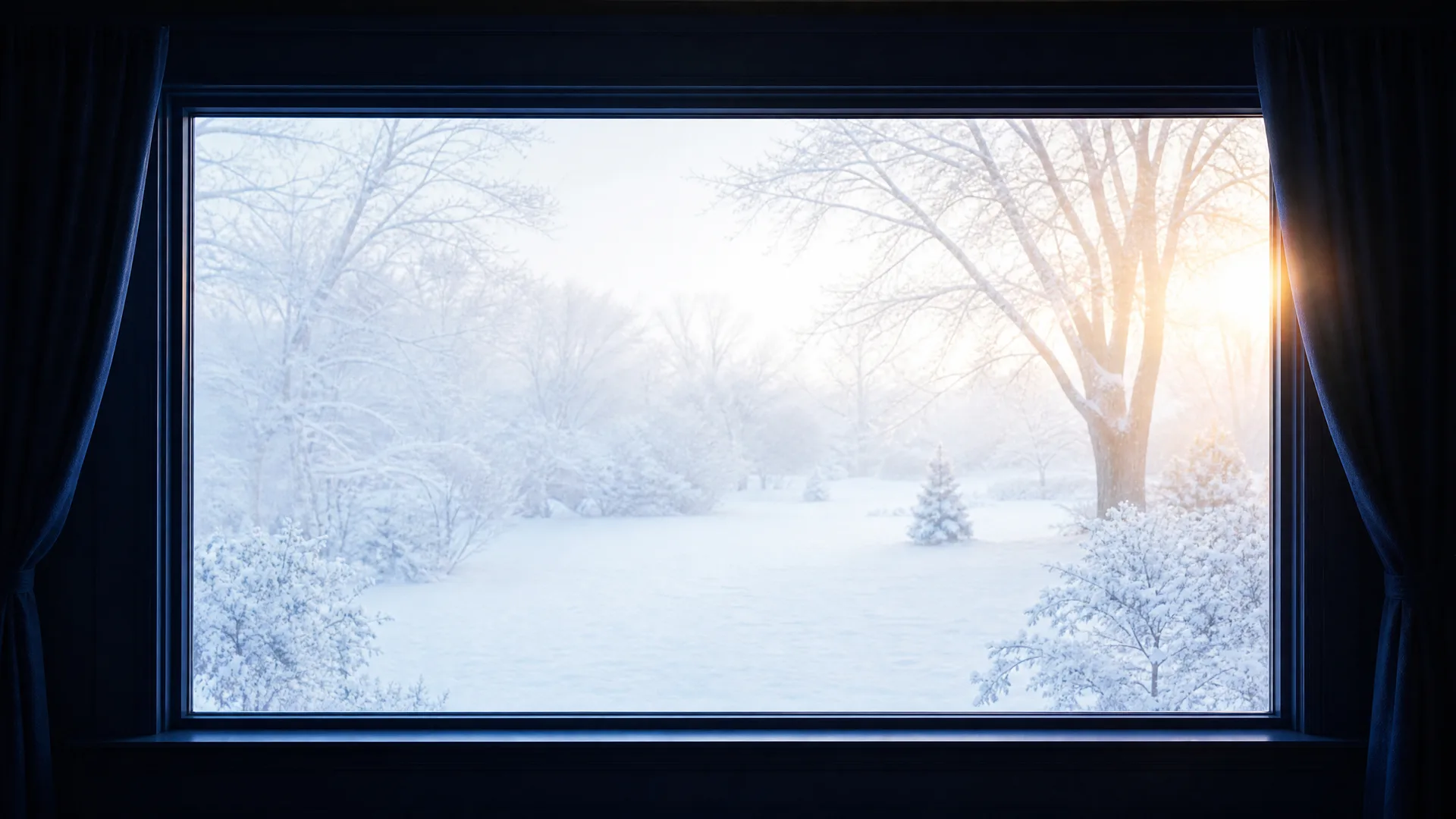
Utility gas heats 64.0% of occupied homes in Ohio, more than any other fuel. A furnace replacement here is usually gas in, gas out, with the vent and gas line already in place. That keeps the job simple compared to homes working with electric heat or a propane tank.
Electricity heats 26.0% of homes in the state, and propane, fuel oil or kerosene make up most of what's left. Those homes have their own setups, a heat pump or an electric furnace, a buried or above-ground tank, and a gas furnace isn't a direct swap for any of them. If your home already runs on gas, the new furnace is likely to as well.
Eight months of heat, one month to get ahead of it
October through May, furnace runs about eight months here. September is the last easy month to get a new one in, before the weather turns and everyone else is calling with a dead system. Replace it ahead of that and the contractor can take time on the install and you're not without heat while you wait on a part or an open slot on the schedule.


3 months of cooling, June through August
8 months of heat, October through May
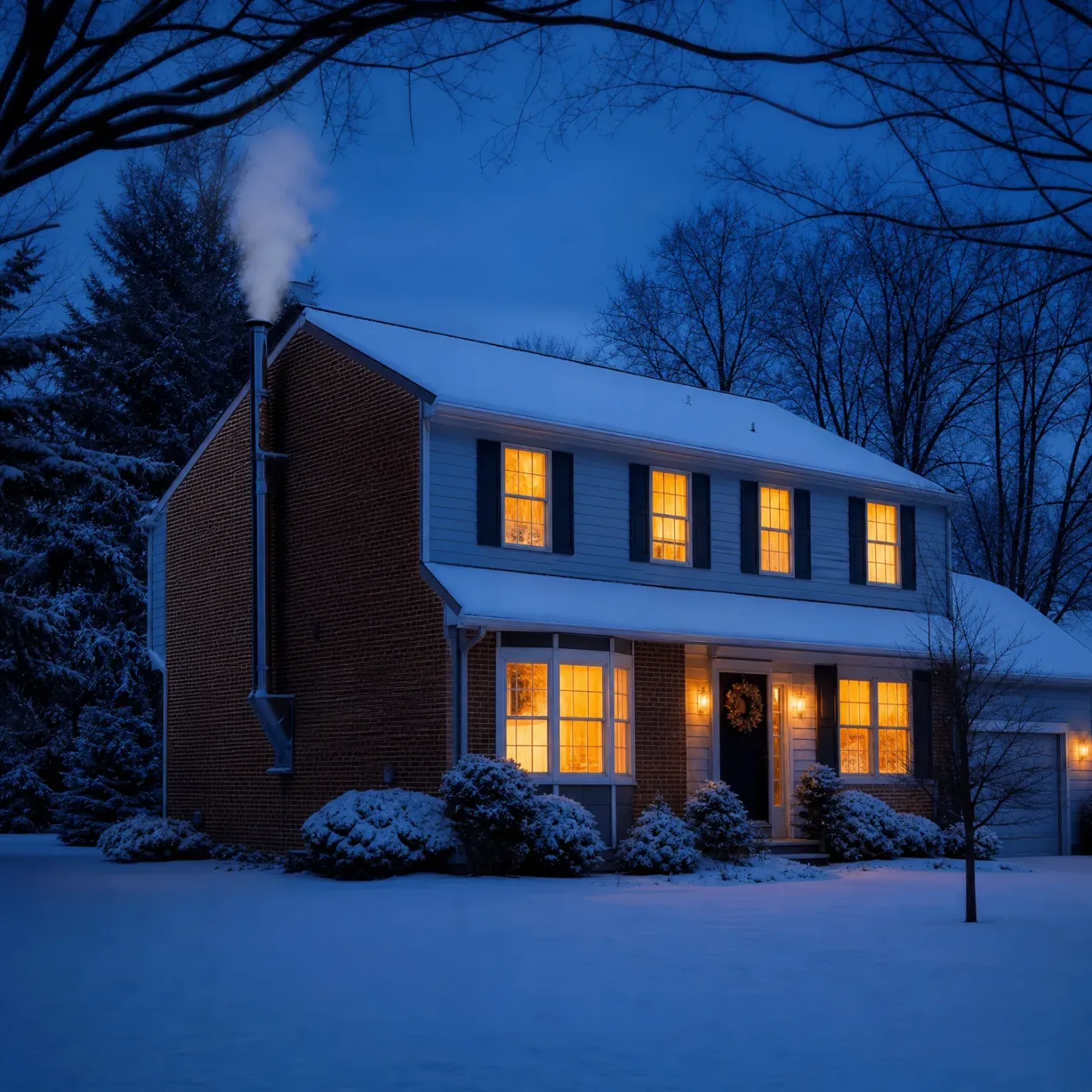
Ohio runs heat about eight months a year on average, but that average covers real range. Homes in the northern counties need about 12% more heat over a year than homes in the southern counties. A furnace sized for one end of that range isn't automatically right for the other.
The widest gap is between two specific counties. Geauga County needs about 34% more heat over a year than Lawrence County, where Ohio's heating need is lowest. That's not a rounding error between neighbors, that's the difference between a furnace that's barely worked and one that's run hard, in the same state.
Overnight lows average 23°F across December, January and February, statewide. Compared with the rest of the country, Ohio needs heat for more months of the year than most states, and its winters run colder than most too. It's not the harshest climate out there, but it's not a mild one either, and a furnace here has to be sized for real cold, not just a long season.
Where your home sits in Ohio tells you more than the state number does. A furnace going into Geauga County is working a harder winter than one going into Lawrence County, even though both are Ohio installs. Worth knowing which end of that range your home is closer to before you settle on a size.
What does a furnace in Ohio face?
How cold do winter nights get?
23°Faverage overnight low where people live
North Dakota4°F
Hawaii65°F
How many months does the heat run?
8 monthsof heating a year
Hawaii0 months
Alaska12 months
What does natural gas cost?
$12.89per million Btu, what homes paid in 2024
Montana$7.77
Hawaii$53.25
How often do storms hit?
178severe weather events per county from 2015 to 2024
Alaska5
Wyoming1,057
How many homes lost power for a day or more?
18%of homes in 2024
Arizona7%
Maine54%
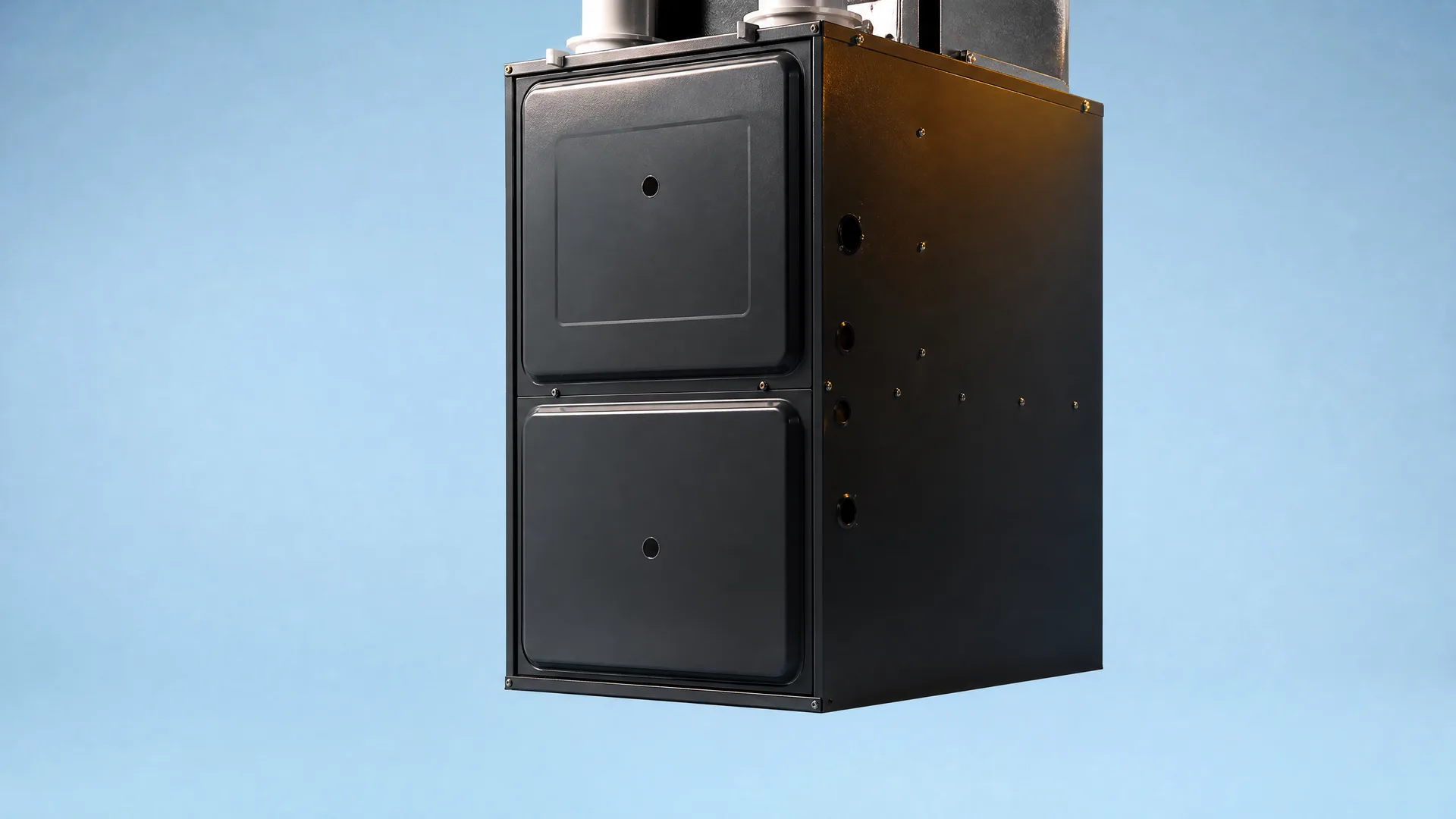
A standard furnace, sized right, is all this climate asks for
Eight months of heat and nights near 23°F is a real workload, but it's not out of range for what a standard furnace is built to do. Nothing about running here calls for oversizing the unit or stepping up to a higher-efficiency model than you'd put in any other cold state. Get the size right for your home, the standard efficiency ratings hold up fine, and it'll do the job through every one of those eight months.
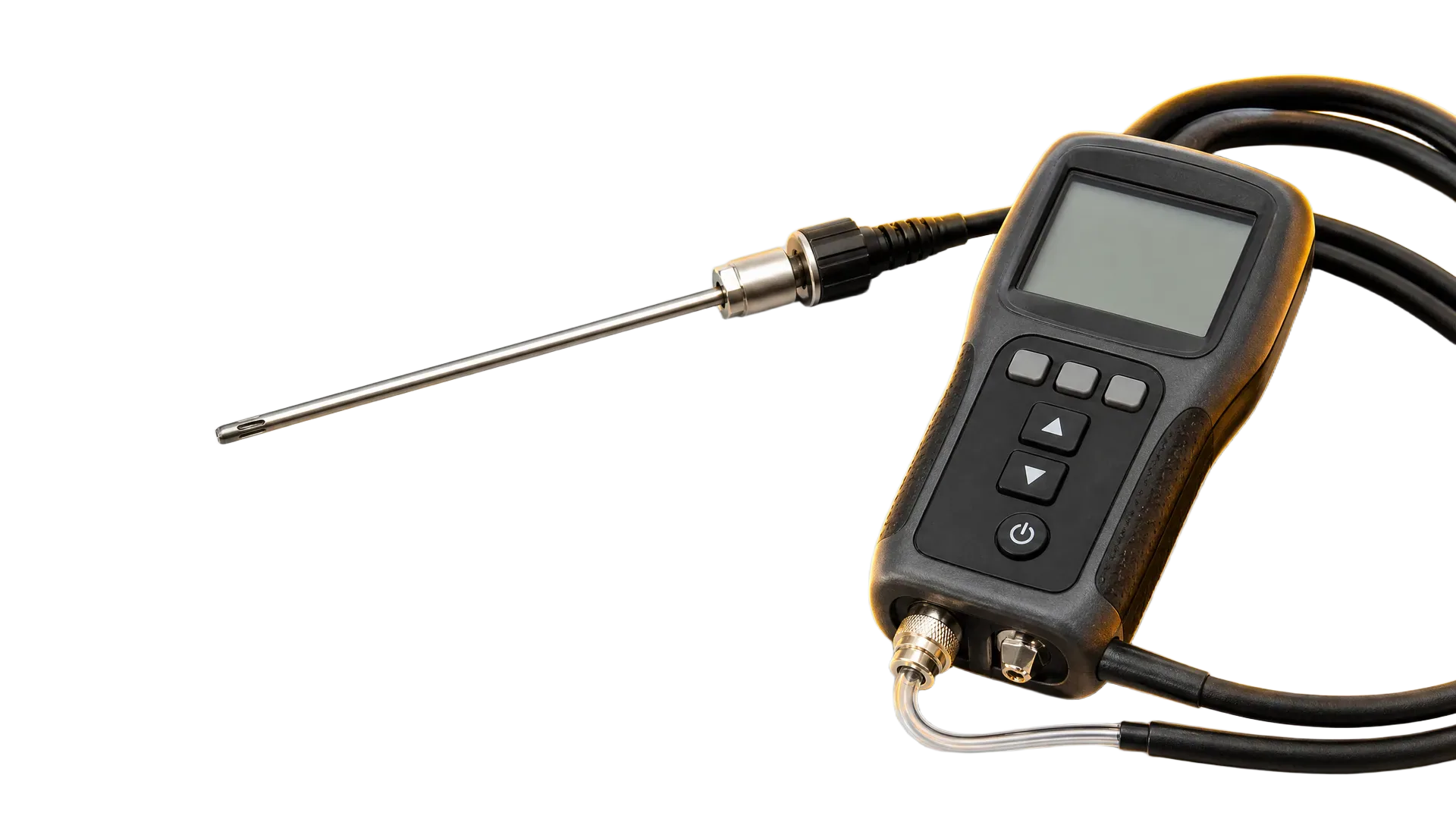
What happens to the old furnace
The old furnace doesn't get left in place. Pulling it out is part of the install, and it has to come out before the new one goes in, since both can't hook to the same vent and gas line at once. A tech disconnects the gas line, the electrical, and the vent connector, then takes the whole cabinet out in sections if it won't clear the doorway whole. If it's a older unit, there may be a chimney liner or vent setup tied to it that needs to be addressed too, since a new high-efficiency furnace often vents differently than what it's replacing. Once it's out, the old ductwork gets checked for fit against the new unit, since furnaces vary some in size and airflow needs even at the same capacity. From there the old furnace is scrapped. There's no reviving it or holding onto it as a backup. A furnace runs until it doesn't, and once it's pulled, that's the end of its working life.
Fitting a new furnace to an older house
Half of Ohio's homes were built in 1970 or earlier, and that shows up most in the ductwork and the spot a furnace sits in. A new unit has to work with the trunk lines and the return already in the house, not the ones a modern layout would give it. Sizing matters more here too. An older house loses heat differently than a new build, through the walls, the attic, the windows, and a load calculation on the house you actually have is what gets the size right, not a straight swap for whatever cabinet is coming out. If your ductwork hasn't been touched since the house was built, that's worth mentioning to whoever's doing the install.
Most of Ohio heats with gas, so a furnace replacement here usually means matching what's already in the house.
Tell us about the job
Takes about a minute. No obligation.
Fill out the form once and a licensed Ohio contractor sizes the job to your house and reaches out.