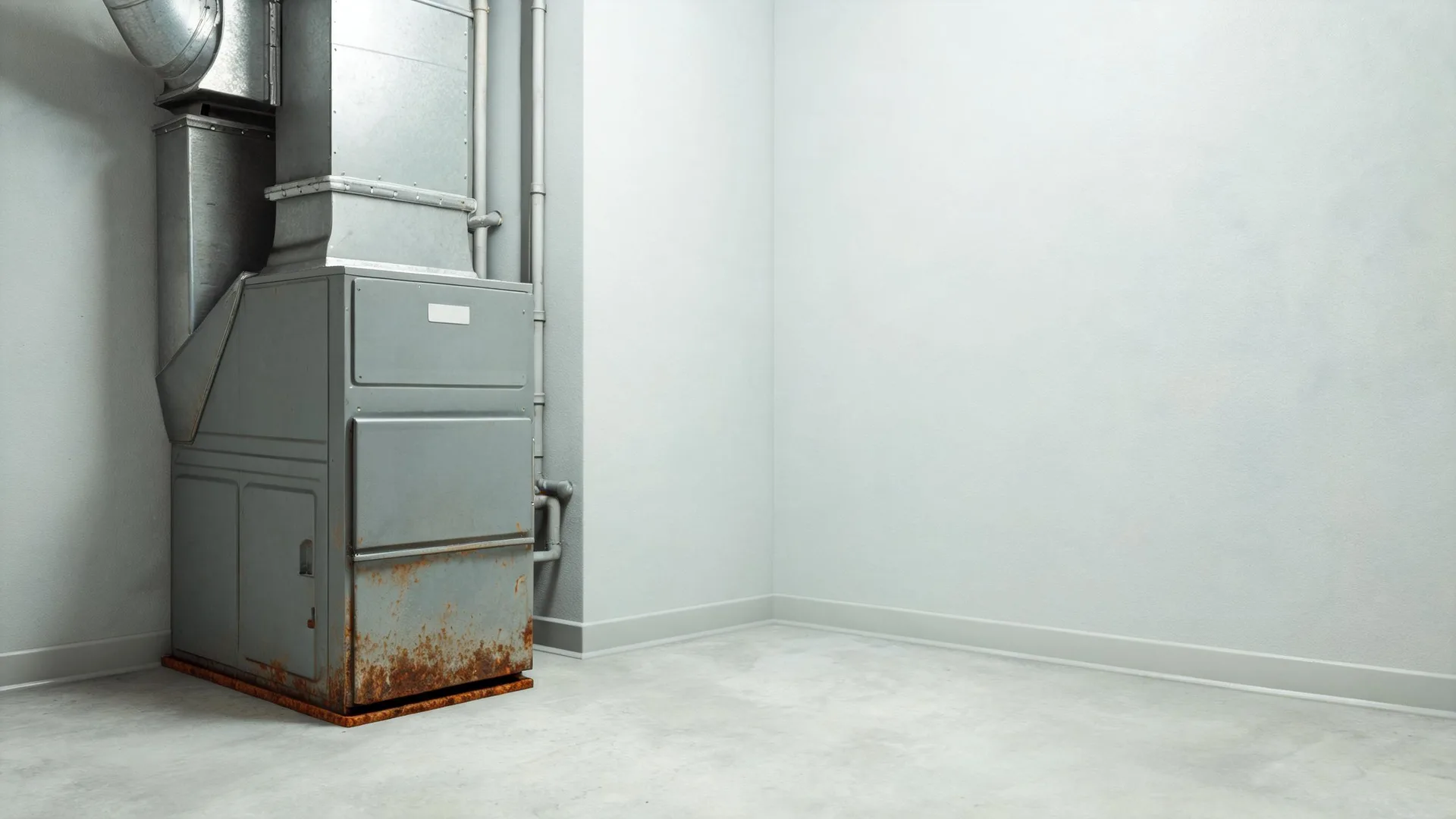
Eight months of real work
A furnace in Wooster runs from October through May. That's most of the year. The igniter, the blower motor, the burners all rack up hours. That's what wears a furnace down.
Takes about a minute. No obligation.
A furnace in Wooster runs from October through May. That's most of the year. The igniter, the blower motor, the burners all rack up hours. That's what wears a furnace down.
Nights averaging 22°F in the winter just mean the furnace is doing its job. Nothing extra. When one breaks down in Wooster, it's almost always a part worn out from regular use. Not the cold itself.
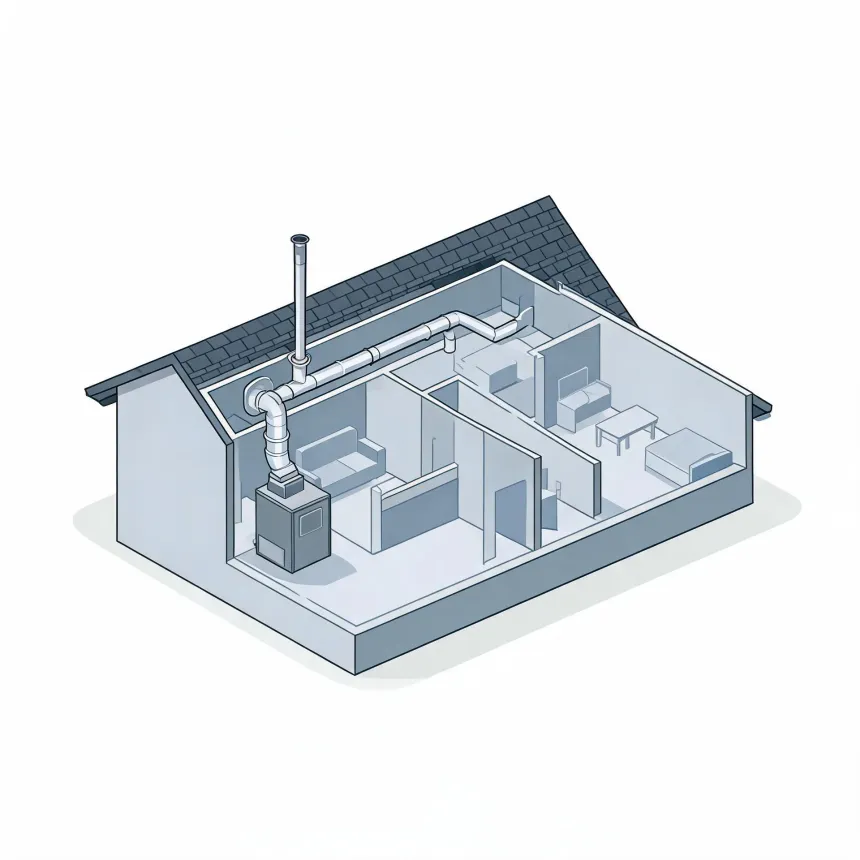
NOAA nClimDiv, 1991–2020 normals
Furnaces in Wooster sit unused all summer. Then October comes and they switch back on.
A weak igniter or blower motor usually gives out right then, in October, when the furnace first has to carry the load again.



Half the homes in Wayne County were built in 1975 or earlier, and half in 1975 or later. That split doesn't point to any particular cause. An older furnace and a newer one fail for the same reasons here. A part wears past its limit. A sensor drifts out of range. A connection loosens from the furnace cycling on and off all winter. The age of the house around it doesn't change what's inside the furnace itself. The job is the same either way, find which part gave out and replace it.
Nothing about this area is especially hard on it. It's most likely the usual problem with the usual fix.
Find a contractor
A furnace that's about to need a repair usually tells you before it quits. It short cycles, running a few minutes then shutting off before the house warms up. The blower runs but no heat follows, which points to the igniter or the gas valve. It kicks on with a bang instead of a quiet whoosh, a sign the burners are delaying ignition and letting gas build up first. The flame looks yellow or flickering instead of steady blue. You hear a new sound, a screech from the blower motor or a rattle from a loose panel. The thermostat calls for heat and nothing happens at all. None of these mean the furnace is done. They mean one part has worn past where it can do its job, and it's worth getting looked at before it quits on a cold night instead of a mild one.
A cracked heat exchanger flexes a little more every time the burners fire up and cool back down. Keep running it, and the crack widens. Carbon monoxide can pass through that crack and into the air the furnace is supposed to be heating.
When a blower motor strains and finally seizes, the heat has nowhere to go and builds up inside the furnace cabinet. That can crack the heat exchanger or trip the limit switch for good. A motor that's screeching or slow to start is already telling you it's on its way out. Get it looked at before it takes something else down with it.
Estimates for a typical Wayne County home, compared with an older unit built to the previous federal minimum, from EIA household energy data, Ohio fuel prices and NOAA climate normals. Your home will differ.
Repair makes sense when one part has failed and the heat exchanger is sound.
Replacement makes sense when the heat exchanger is cracked or the furnace keeps needing parts.
A repair makes sense when one part fails and the rest of the furnace is still doing its job. A new igniter or blower motor costs less than a whole furnace and fixes the problem outright. Replacement starts to make sense when failures stack up, one part this year, another next year. That pattern means the furnace is reaching the end of its life all at once, not just one weak part giving out early. A cracked heat exchanger changes things on its own. That part isn't worth replacing by itself. A furnace with a cracked exchanger needs replacing, period. Age matters less than how the furnace has been running. If it's heated the house evenly for years, and this is the first real problem, it's usually still worth fixing.