
Heat Pump Repair in Ohio
Homes in Ohio are older than in 43 of the other 49 states.
Tell us about the job
Takes about a minute. No obligation.
- 23°Fwinter overnight low where people live
- 8 monthsof heat, October through May
- 82°Fsummer afternoon high where people live
- 3 monthsof cooling, June through August
Ohio doesn't push a heat pump hard eight months of heating, three of cooling, nothing extreme
- Western counties need about 32% more cooling than eastern ones
- Winter nights average 23°F where people live
- Summer afternoons average 82°F where people live
- Heat runs October through May
- Cooling runs June through August
- 818 winter storms from 2015 to 2024


- Heat back on both the heating and cooling side, not just one
- The reversing valve fixed so the system switches modes instead of sticking
- Defrost cycles restored so the outdoor coil stops icing over
- A refrigerant leak found and sealed instead of just topped off
- The outdoor coil and fan cleared so air can move through them again

If the air coming out of the vents feels cool when it should feel warm, that doesn't always mean the heat pump is broken. It could just be running in a mode that moves air without much heat behind it yet. But if that cool air keeps coming and the room never warms up, something is wrong, maybe the reversing valve is stuck, maybe the system is low on refrigerant. Ice building up on the outdoor unit is another sign worth watching. Some frost in cold weather is normal, but a coil caked in ice means the defrost cycle isn't doing its job.
Listen for sounds the unit didn't used to make. A grinding or screeching from the outdoor fan usually points to a failing motor bearing. Clicking that repeats without the system ever kicking on can mean a bad relay or control board. If the heat pump is short cycling, turning on and shutting off again within a few minutes, that puts stress on the compressor and needs attention soon rather than later. And if the system runs constantly but the house never quite reaches the set temperature, the outdoor coil may be dirty or blocked, or the unit could be losing refrigerant somewhere in the line.
When problems tend to show up
October through May is when this system is working, so that's when a weak part gets found out. The first real cold snap in October puts load on a reversing valve or defrost control that's been sitting since spring, and that's when it shows. If yours is already acting up now, it's not going to get better on its own once temperatures drop further. Ohio summers are short, just June through August, so the cooling side gets less of a workout, but a problem there will surface the same way, in the first hot week when the system has to run long and hard.
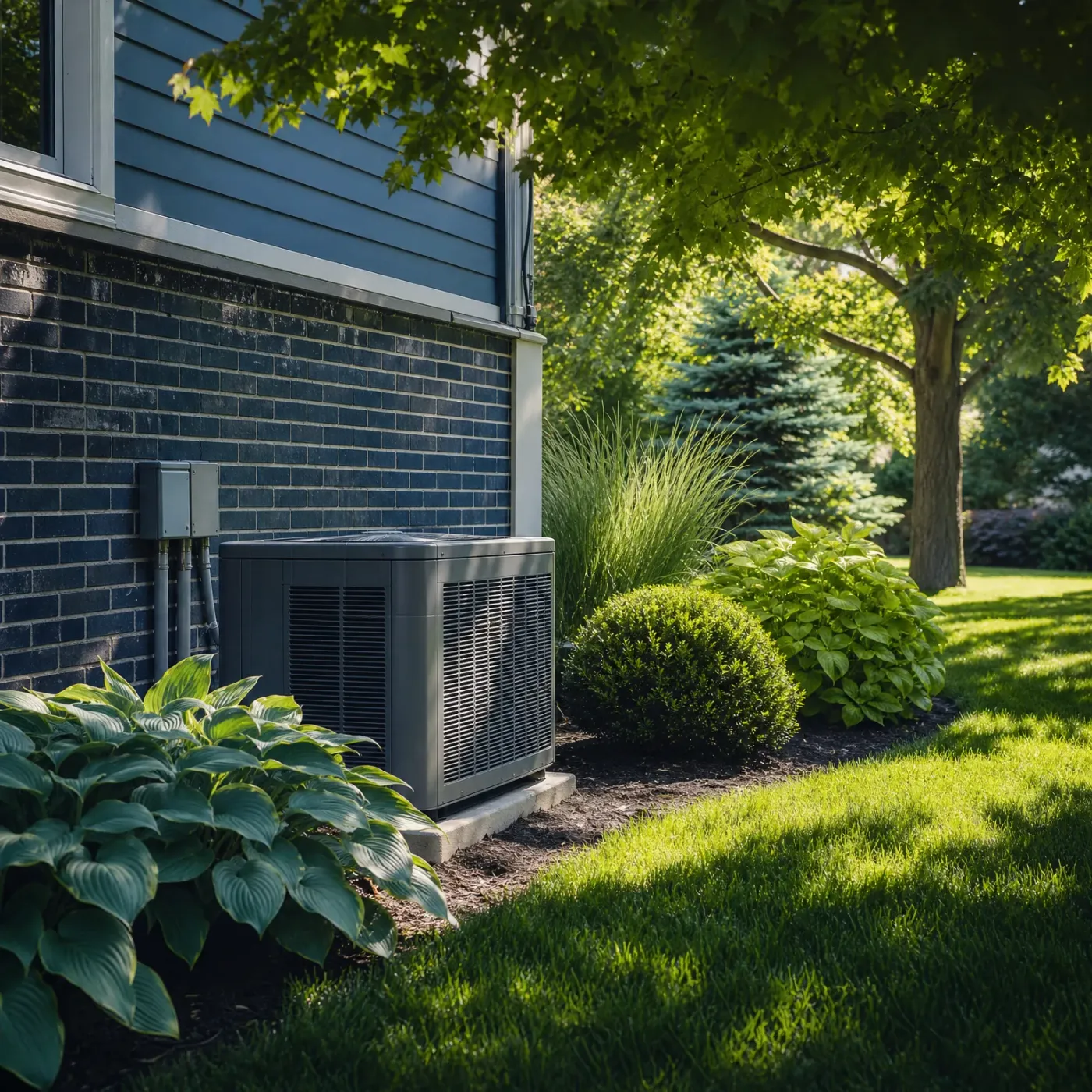
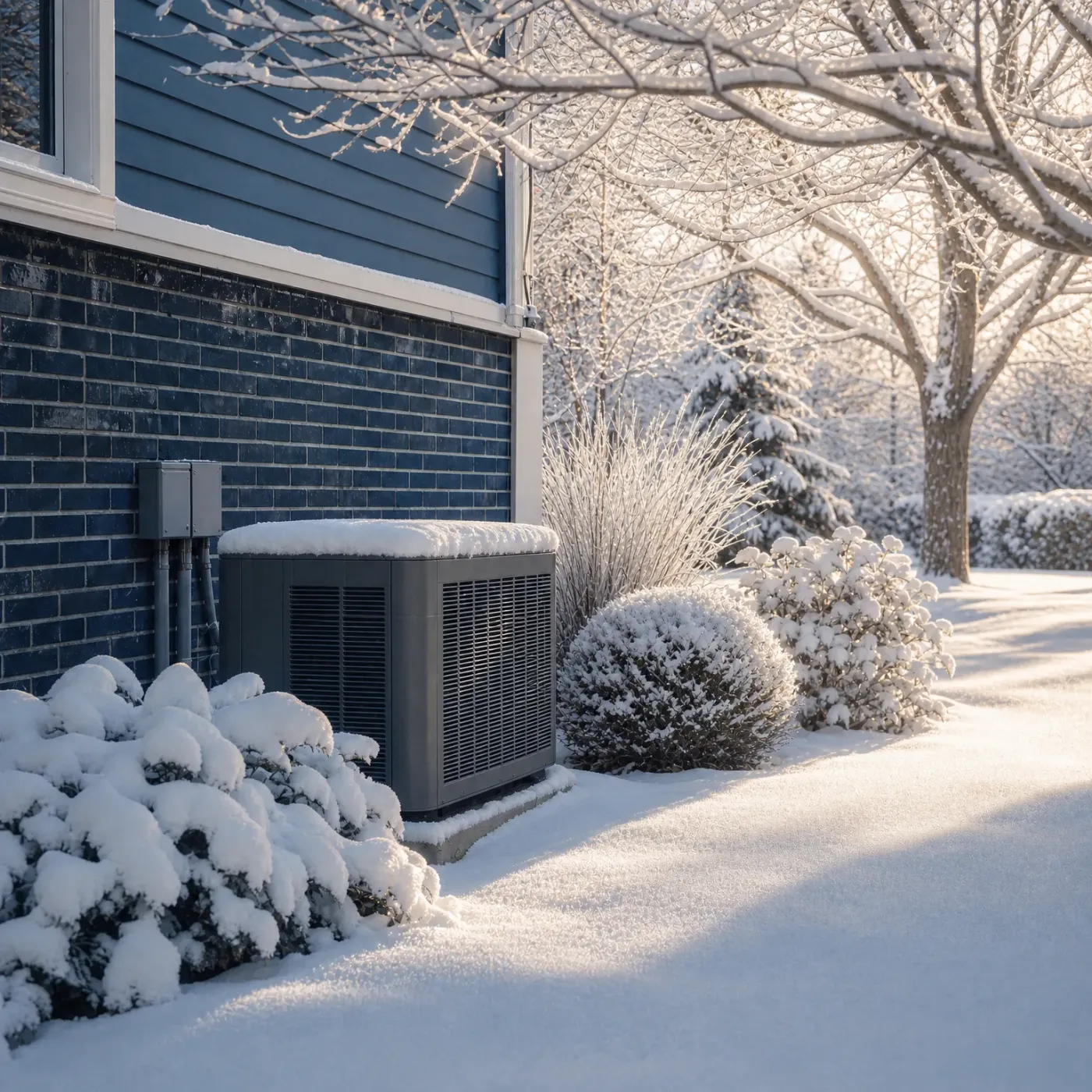
3 months of cooling, June through August
8 months of heat, October through May
Western Ohio asks more of a heat pump's cooling side than eastern Ohio does, about 32% more over a year. Hamilton County sits at the high end, needing about twice the cooling that Geauga County does, the lowest in the state. A heat pump in Hamilton County is working its coil and compressor harder each summer than one in Geauga County ever has to.
Heating runs the other way. Northern Ohio needs about 12% more heat over a year than southern Ohio, and Geauga County needs about 34% more heat than Lawrence County, the low point in the state. A heat pump up in Geauga County leans on its reversing valve and defrost cycle more over a winter than one down in Lawrence County.
So a heat pump in Hamilton County is more likely to show wear on the cooling side first, a weak capacitor, a dirty coil, a refrigerant leak that gets worse as the system runs long hours. One in Geauga County is more likely to show it on the heating side, stuck in defrost, icing over, the reversing valve not switching clean. Where the house sits points to where to look first.
None of this makes Ohio especially hard on the equipment. Winter nights here average 23°F, cold but not the coldest in the country. A heat pump here is doing ordinary work, just more of it on one side depending which part of the state the house is in.
What does a heat pump in Ohio face?
How hot do summer afternoons get?
82°Faverage afternoon high where people live
Alaska66°F
Arizona101°F
How cold do winter nights get?
23°Faverage overnight low where people live
North Dakota4°F
Hawaii65°F
How many months does the heat run?
8 monthsof heating a year
Hawaii0 months
Alaska12 months
What does electricity cost?
15.99¢per kWh (kilowatt hours, the unit on an electric bill), what homes paid in 2024
North Dakota11.51¢
Hawaii42.86¢
How often do storms hit?
178severe weather events per county from 2015 to 2024
Alaska5
Wyoming1,057
How many homes lost power for a day or more?
18%of homes in 2024
Arizona7%
Maine54%
A heat pump that's struggling costs more to run every day it's not fixed
Electricity in Ohio runs 15.99 cents per kilowatt hour, more than in 33 other states. That rate applies to every hour a struggling heat pump runs, and a unit fighting a dirty coil or a stuck reversing valve runs longer to do the same job. A compressor working harder than it should isn't just making the house less comfortable. It's pulling more power to get there, every day the real problem goes unfixed.
Why running it longer doesn't help
A heat pump that keeps running with a problem doesn't fix that problem, it feeds it. Ice on the outdoor coil blocks airflow, so the system pulls in less heat and has to run longer to make up for it, which only gives the coil more time to build up further. A refrigerant leak works the same way. A low charge makes the compressor move harder to deliver the same heat, and that extra strain is what wears a compressor down before its time. A stuck reversing valve doesn't loosen up by cycling more. Every time it fails to switch clean, it wears against the same spot. Short cycling is the clearest case of all. A system kicking on and off every few minutes hits the compressor with starting current again and again, and that adds up a lot faster than one long steady run would. None of it gets better because the unit keeps trying. The load just moves to whatever part is already weak, until that part gives out.
When the house is old but the system might be older
Half the homes in Ohio were built in 1970 or earlier, and most houses here are the standalone single-family kind rather than units sharing walls. If your heat pump came with a house that old, check how old the equipment itself is, since a system doesn't usually last as long as the house does. An older unit working against a stuck reversing valve or a low refrigerant charge isn't just due for a repair. It may be near the point where another repair isn't the better bet. Worth asking the contractor straight out how much life is likely left before putting money into the fix.
Ohio doesn't run a heat pump hard, so a repair now is usually the right call.
Tell us about the job
Takes about a minute. No obligation.
Fill out the form once and a licensed contractor calls to sort out what's wrong.