



An outdoor heat pump unit mounted on a concrete pad in front of a two-story suburban house.

Heat Pump Repair in Mansfield, OH

Tell us about the job

Takes about a minute. No obligation.

RepairHeat PumpRichland County, OH
Step 1 of 2

What ZIP code is the job in?

September is when a heat pump in Mansfield switches over to heating and starts carrying the load clear through May, eight months of the year. A capacitor that was already weak or a refrigerant charge that was already low tends to give out once the system has to run that hard, that often. The first cold stretch of the season is usually when it shows up, not the middle of winter. If yours is struggling or blowing cool air as the weather turns, that is the sign to get it looked at now.

8 months
October through May, your system heats
3 months
June through August, it cools
20°F
the average winter night it heats against
81°F
the average summer afternoon it cools against
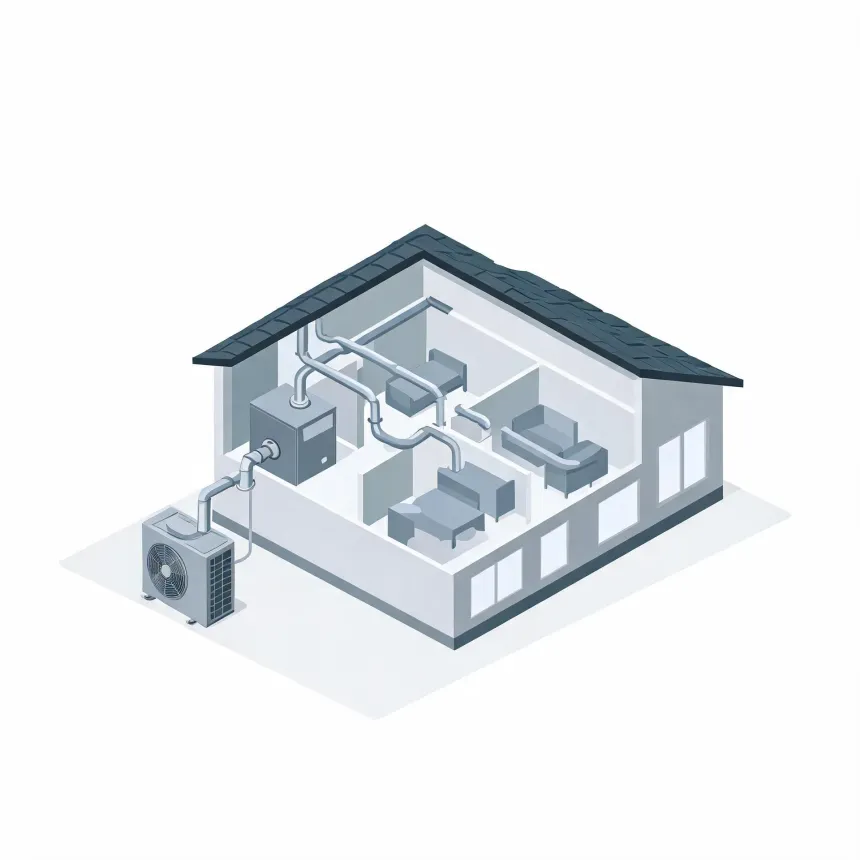
Isometric cutaway illustration of a single-story house showing an indoor air handler, branching ductwork through rooms with furniture, and an outdoor condenser unit connected by a line outside the wall.
Your system heats October through May and cools June through August.

NOAA nClimDiv, 1991–2020 normals

Mansfield nights get down to about 20°F in winter. That's cold, but not extreme.

A heat pump sized right for Richland County isn't up against the kind of cold that wears parts out early. So a repair is usually the right call.

A struggling heat pump costs you every month it runs that wayOhio electricity ran 15.99 cents per kilowatthour in 2024. A heat pump that's not running right still runs all the time. That adds up fast.

Before calling anyone, check the thermostat is set to heat, with the setting a few degrees above room temperature, not just left where it's been for weeks. Go outside and look at the outdoor unit. If the coil is caked in ice or buried in leaves, that alone can stop a heat pump from heating right, and it's something to clear by hand. Check that the outdoor fan is actually spinning. If the unit is running but the fan isn't turning, mention that to whoever comes out. It points straight at the motor or capacitor. Inside, pull the filter and hold it up to a light. If you can't see through it, swap it before anything else. A clogged filter can look just like a failing system. Last, check the breaker panel for anything tripped. If the breaker trips again right after resetting it, stop there and leave it off until a tech looks at it.

This heat pump is worth repairing

This heat pump still has life in it. It hasn't been fighting a losing battle against the cold for years. That's why it's worth fixing instead of replacing. Get it looked at and repaired.

Find a contractor
A man in a dark shirt and tan work pants, seen from behind, climbs stone steps toward a navy front door while carrying a waxed canvas tool tote, with a potted lavender plant beside the entry.
A gray heat pump outdoor unit mounted on a concrete pad next to the stone-accented exterior wall of a house.

What a tech actually checks

A diagnostic starts outside at the unit. Gauges check the refrigerant pressure, since a charge that's a little low won't always throw a code, but it'll show up on the readings. The capacitor gets pulled and tested, because a weak capacitor can still start the compressor most mornings and fail on the cold ones. Inside, the reversing valve gets checked. That's the part that decides whether the system heats or cools. A stuck valve can leave a house blowing cold air even though everything else works fine. Airflow across the indoor coil gets checked too, along with the defrost board, which tells the outdoor unit when to shed ice and when to run normally. Most of this takes less than an hour. It comes down to testing parts that each do one job, not guessing at the whole system.

Most failures are one part, not the system

A heat pump that stops heating almost always traces back to a single part doing the wrong thing. The capacitor, the reversing valve, the defrost board, a low charge from a slow leak. These wear out on their own schedule, and one going bad doesn't mean the compressor or the rest of the system is on its way out too.
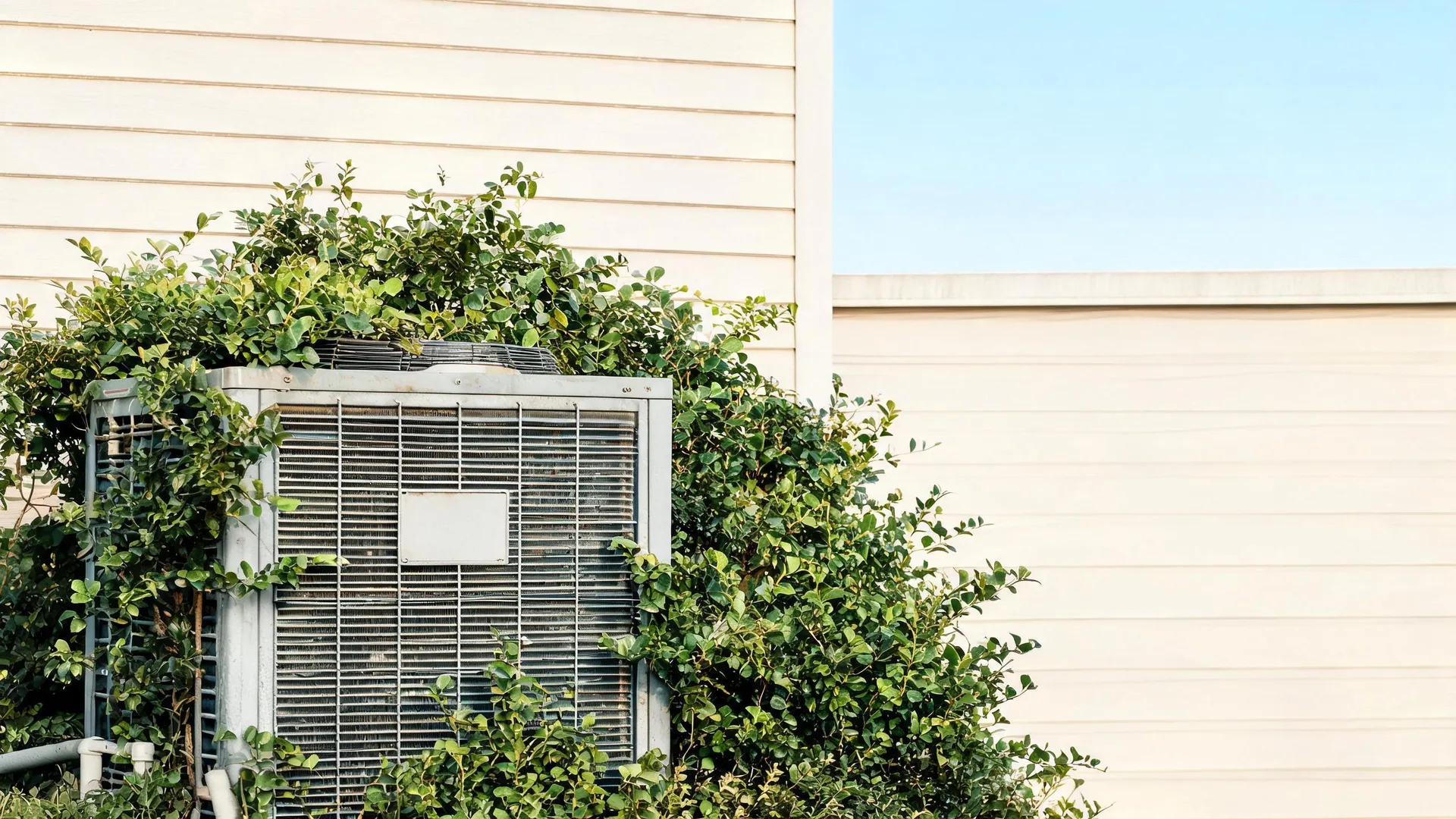
What fails is what cycles the most

The parts that fail are the ones working hardest to keep the system switching between heating, defrost, and standby all winter. The reversing valve and the defrost board earn their keep every time the outdoor coil ices over, and that's exactly where the wear shows up first.

A heat pump that's struggling still gets called on to run, and that just makes most problems worse. A compressor working against a low charge pulls more current every time it starts, and heat builds up in the motor windings with nowhere to go. A reversing valve that's starting to stick tends to finish the job if it keeps getting asked to switch. Ice on the outdoor coil is the clearest sign. If the defrost board isn't triggering right, that coil ices over a little more each cycle, and a system fighting through thickening ice has to pull harder on the compressor just to get any heat out. It's not the cold causing this. It's one weak part getting asked to carry the system, and it won't hold up on its own.

With a heat pump, what broke matters more than how old it is. The compressor and the refrigerant are the real question, not the cabinet. A failed compressor or a refrigerant that's being phased out is one conversation. A bad capacitor or a stuck reversing valve is a completely different one. An older unit with a failed defrost board is still worth fixing. That board has nothing to do with how long the compressor lasts. But a compressor that's seizing is a different problem. No tech can swap in a new compressor and promise the rest of the system holds up for long after. So ask what actually failed first. Ask about the age second.