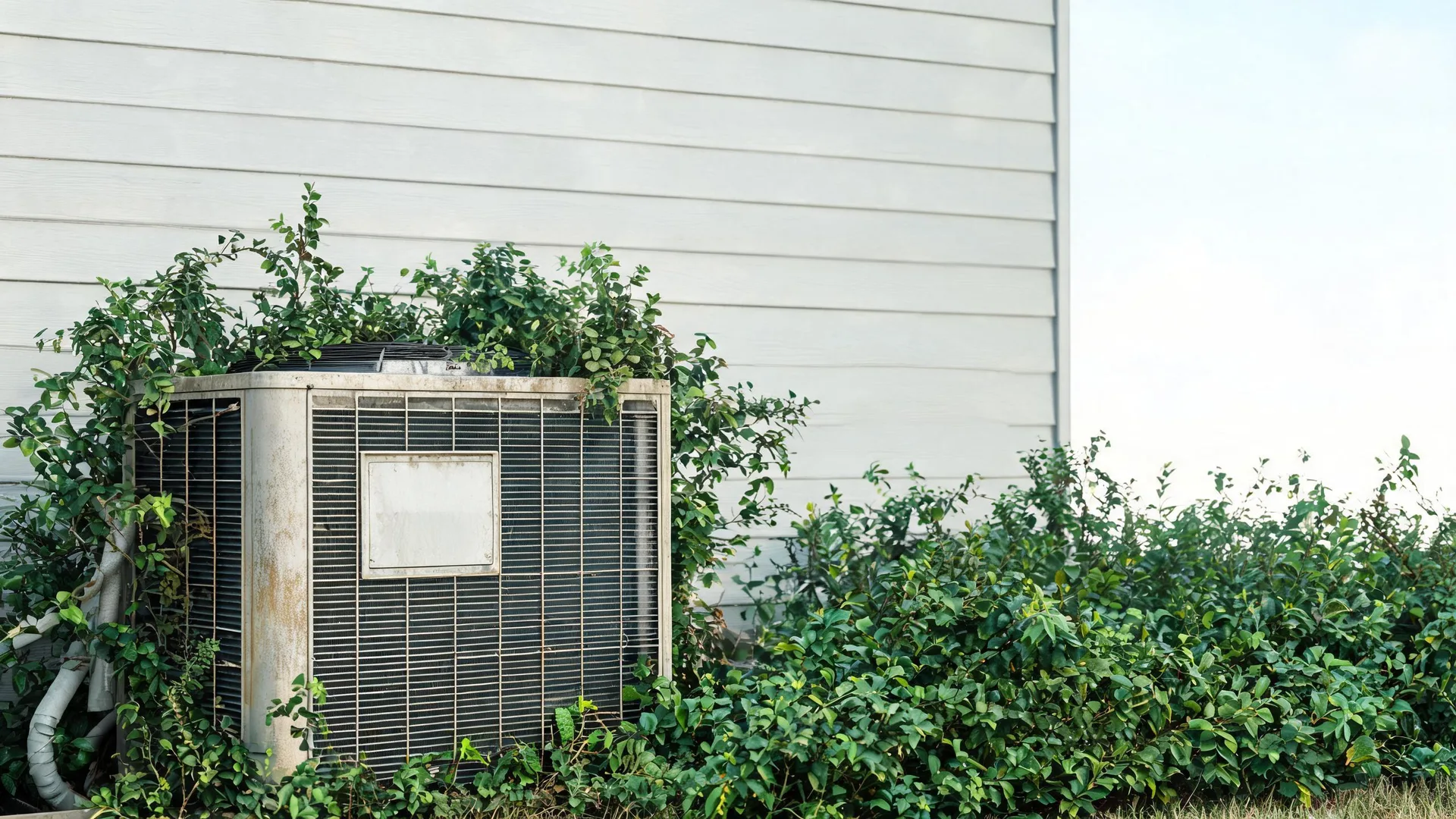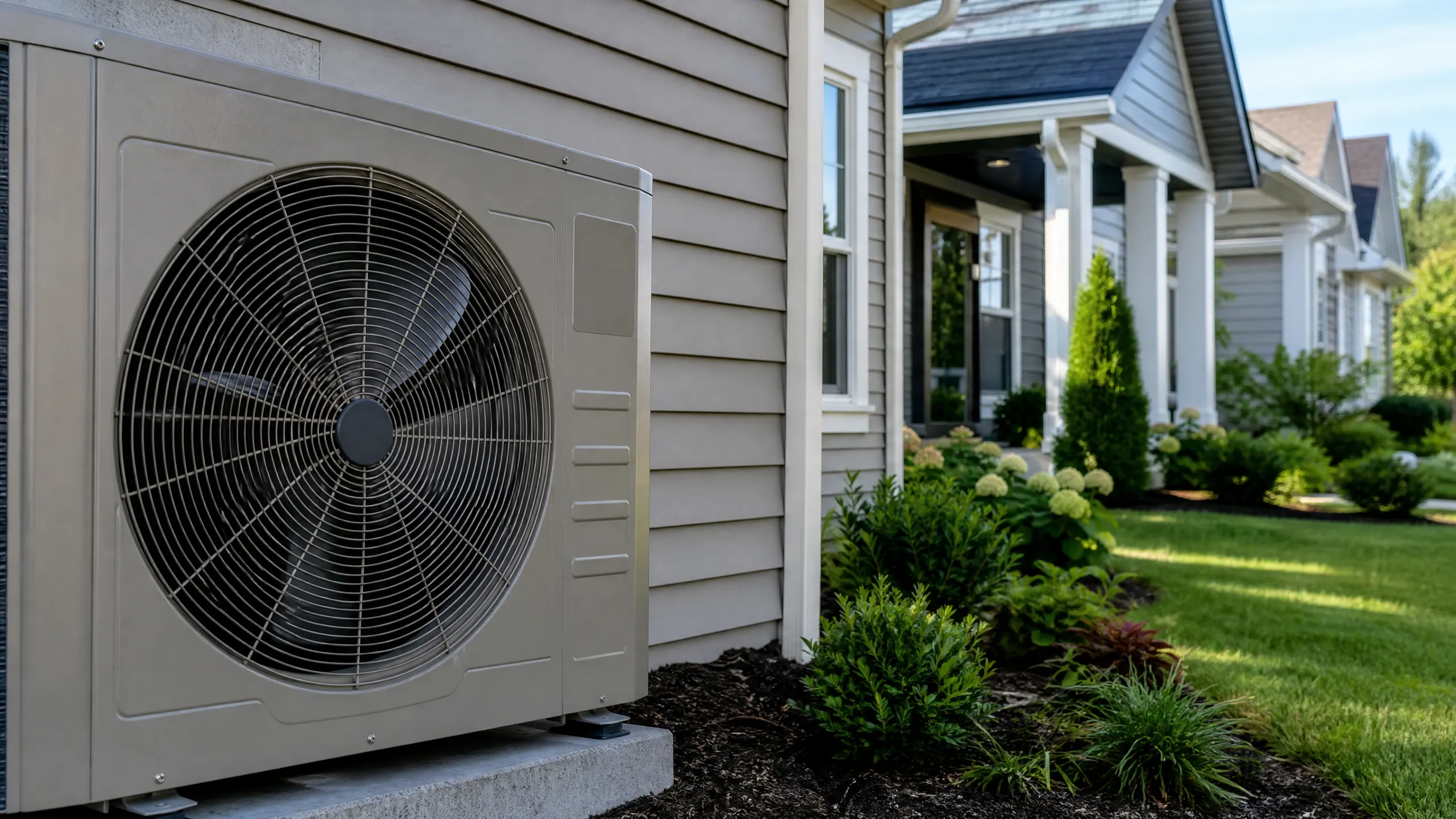
A large outdoor air-conditioning unit mounted beside a vinyl-sided house, surrounded by mulched garden beds and green shrubs.

Heat Pump Repair in Lorain, OH

Tell us about the job

Takes about a minute. No obligation.

RepairHeat PumpLorain County, OH
Step 1 of 2

What ZIP code is the job in?

Winters here ask a lot, but not nonstop

Lorain County sits in zone 5A, a cool, humid climate where heating carries the bigger load and the overnight average runs 23°F through December, January and February. A heat pump here works hard for stretches, but it isn't straining against extreme cold the way units further north do.


A breakdown is more likely wear than damage

Your heat pump hasn't been fighting the kind of punishment that wrecks equipment outright. That points toward an aging part or a system that's been overlooked, not one that's been pushed past what it can handle. That kind of problem is usually worth fixing.

8 months
October through May, your system heats
3 months
June through August, it cools
23°F
the average winter night it heats against
81°F
the average summer afternoon it cools against
Isometric cutaway illustration of a single-story house showing interior rooms, ceiling ductwork, an indoor air handler, and an outdoor condenser unit connected by lines on the ground.
Your system heats October through May and cools June through August.

NOAA nClimDiv, 1991–2020 normals

Heat in Lorain County starts up in October, after September sits idle.

If your heat pump has been off since spring, October is when a weak part finally gets asked to work.

Ohio homes paid 15.99 cents per kilowatt-hour in 2024. A heat pump leans on electricity more than almost anything else in the house. When it's running right, that's the trade for cheap heat most of the year. When something's off, a worn capacitor or a dirty coil makes it pull more power for less heat. That difference gets paid every day it sits unfixed. A system that's icing up or short cycling isn't just annoying. It's drawing current without doing the job. The longer that goes on, the more it costs to wait.

Most heat pump problems here come down to one worn part

Lorain County gets its share of wind and the odd hail storm. But none of that runs a heat pump any harder than normal use already does. When one starts acting up, the cause is almost always a part that wore out or got missed. It's rarely the system taking some kind of beating. That's good news, because a worn part can be fixed. Get a contractor out to find which one.

Find a contractor
A man in a cap, gray jacket and tan cargo pants, seen from behind, carries a worn canvas duffel bag up steps toward a dark navy front door, with a potted shrub beside the entry.
A residential heat pump outdoor unit mounted on a concrete pad next to a house with gray vinyl siding.

The hours add up slower here than the calendar suggests

Watch the clip run from afternoon into night and the pattern shows itself. Long stretches where the unit barely works, then a real push once the cold sets in. That's the rhythm a heat pump settles into here, not a nonstop grind against the weather. Winter storms hit Lorain County 12 times between 2015 and 2024, which asks something of the unit, but it doesn't add up to the kind of relentless cold that wears a compressor down fast. So when a repair tech opens yours up, what they usually find is a part that's simply had its time, not one that got burned out fighting conditions it was never built for. That's the better problem to have.

A strange noise gets worse when you ignore it

A grinding or squealing sound usually means a bearing or motor mount is going bad. Leave it alone and that part can seize up completely. That takes the motor down with it, so a part swap turns into a full part replacement.

Ice on the outdoor unit means the defrost cycle isn't keeping up

A heat pump melts off a normal layer of frost on its own. If ice keeps building anyway, running it longer just packs more ice around the coil. That blocks the airflow the compressor needs to stay cool.

The capacitor fails most often. It's the part that gives the compressor and fan motor the jolt they need to start. When it's weak, the outdoor unit might hum and not start, or the fan spins slow until it catches. The reversing valve has contacts inside that wear out from switching between heat and defrost. Once those stick, the system can get locked into one mode, blowing cold air when it should be warm. Refrigerant doesn't get used up. If a system is low, there's a leak somewhere in the line, and that leak only gets worse left alone. A compressor starting to fail might still run, but it struggles to keep up. It draws more current and puts out less heat. Catching any of this early is what keeps one worn part from taking down the rest of the system.

A diagnostic starts outside, at the unit itself. The tech checks the readings first, pulling the pressures and the temperature split across the coil to see where the system is losing ground. Electrical testing comes next, checking the capacitor's output and the current draw on the compressor and fan motor against what they should be pulling. If the reversing valve is suspect, they'll test it by switching the system between heat and cooling to see whether it actually changes modes. Airflow gets checked too, since a coil that's iced or a filter that's packed with dust can mimic a failing part that isn't actually broken. By the end, the point isn't just naming the part that's gone. It's knowing why it failed, so the same thing doesn't take out its replacement.