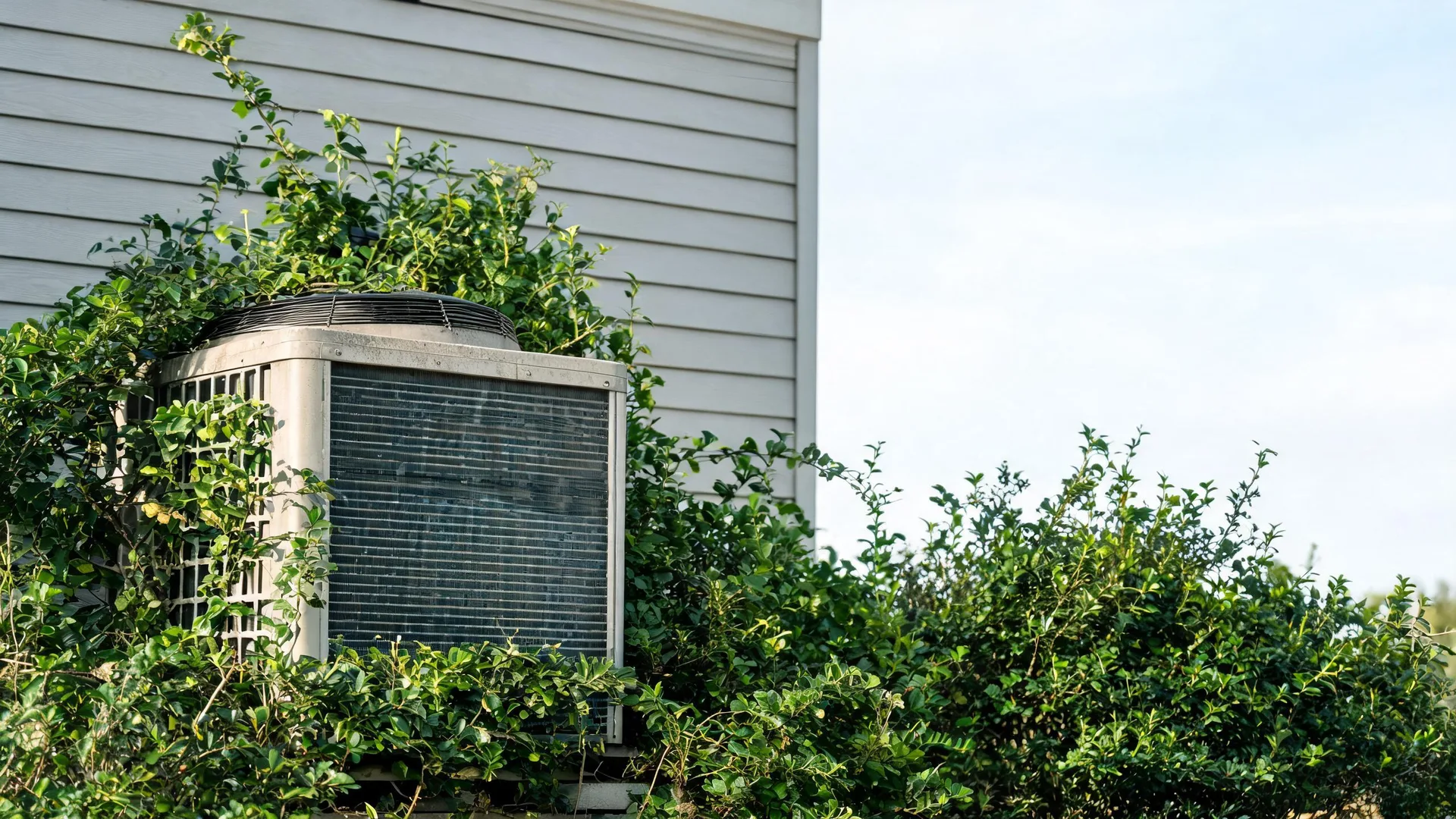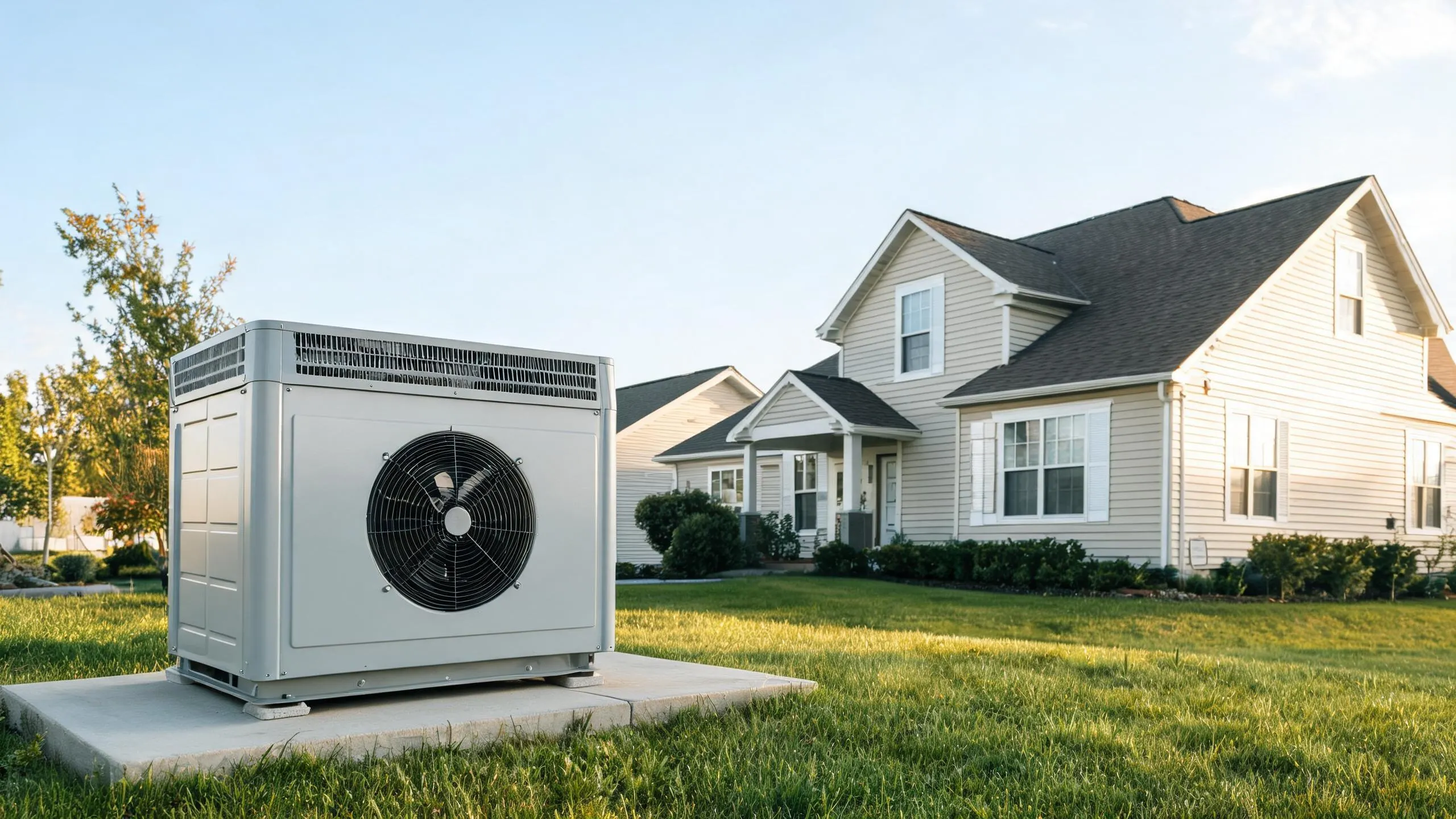
An outdoor heat pump unit mounted on a concrete pad in the front yard of a gray suburban house.

Heat Pump Repair in Findlay, OH

Tell us about the job

Takes about a minute. No obligation.

RepairHeat PumpHancock County, OH
Step 1 of 2

What ZIP code is the job in?

October is when a weak heat pump gets found out

A heat pump in Findlay cools the house June through August. Then it switches over and carries the house from October through May. That October switch is the first real cold the unit has seen in months. A part that was already marginal tends to give out right then.

Getting the cause right matters more than getting there fast

A heat pump that won't switch over, runs constantly, or blows cold air in October can have several different causes behind the same symptom. The fix that works is the one aimed at what's actually wrong with the unit, not the first guess.

8 months
October through May, your system heats
3 months
June through August, it cools
22°F
the average winter night it heats against
83°F
the average summer afternoon it cools against
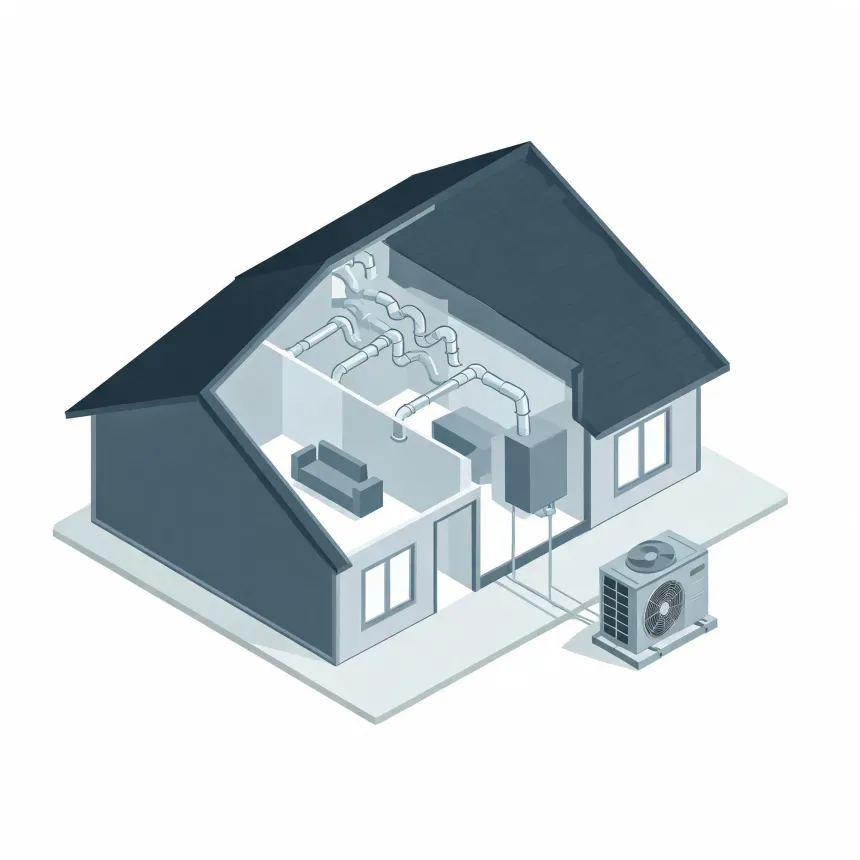
Isometric cutaway illustration of a house showing interior ductwork, an indoor air handler unit, and an outdoor condenser unit beside the building.
Your system heats October through May and cools June through August.

NOAA nClimDiv, 1991–2020 normals

Ice on the outdoor unit during a heating cycle is normal for a few minutes. Then the defrost cycle should clear it.

If the coil stays frosted for hours, that's not the weather. That's a defrost control board or a sensor that's failed.

Ohio electricity runs 15.99 cents per kilowatthour in 2024. A heat pump that's struggling pulls more of that than one running right. A unit stuck in defrost, or short cycling, or leaning on backup strip heat to cover for a failed part, draws extra power the whole time. That's not a one-time cost. It shows up on every bill until the real problem gets fixed. Letting it ride through the winter because it's still putting out some heat ends up costing more than having it looked at now.

This heat pump hasn't had it rough. The repair is probably worth it.

Winter nights here average 22°F. That's cold, but it's a steady load, not an extreme one. The heat pump hasn't been fighting brutal heat or brutal cold all year round. So if it's acting up now, age or a failed part is the more likely cause, not years of strain. That kind of problem is usually worth fixing.

Find a contractor
A residential heat pump outdoor unit mounted on a concrete pad next to a house with gray vinyl siding.

The same few parts do most of the failing

Most heat pump failures come down to the same few parts. The reversing valve is the one that's unique to this machine. It's a solenoid-controlled valve that switches refrigerant flow so the unit can go between cooling and heating. It does that every cycle, both directions, for the whole life of the unit. The coil on top can burn out. Or the valve itself can stick partway. Either way, the unit gets stuck in one mode no matter what the thermostat says. The defrost control board fails for a different reason. It reads a sensor on the outdoor coil and times the defrost cycle off that reading. When the sensor drifts, or the board fails, the unit either never defrosts or never stops trying to. Refrigerant leaks show up slowly, usually at a brazed joint or a fitting that's worked loose over years of expanding and contracting. None of this announces itself early. First sign is usually the unit running longer than it used to, or the air not coming out quite warm enough. That shows up well before a full stop.

A compressor running against a failed part is doing damage with every cycle

The compressor is the one part a heat pump can't run without, and it's not something that gets swapped out easily on its own. If a contactor, capacitor, or reversing valve has already failed and the unit keeps running, the compressor is taking that strain every single cycle. Shut it down and a tech still has a working compressor to build the repair around. Let it keep running past that point, and the compressor is what gives out next.

A short that trips a breaker once can still be live damage underneath

Frayed wiring or a failing control board can trip a breaker and still let the unit start right back up after a reset. Every time it runs on a fault like that, more heat and current pass through a connection that's already damaged. What started as one bad wire can take out a control board or a transformer with it. The longer a unit runs past that first trip, the more of the system is exposed to the same fault.

Before calling anyone, check the thermostat batteries and make sure it's set to heat, not cool. A stuck or misread setting looks exactly like a dead unit. Go outside and look at the outdoor coil. A light frost is normal. Solid ice, or a fan that isn't spinning at all, is worth telling the tech. Don't try to clear it yourself. Check the breaker panel too. If one's tripped, leave it off instead of resetting it and walking away. Look at the air filter while you're out there. A filter clogged enough to choke off airflow will make a heat pump struggle no matter what else is going on, and it's the one thing here that's fixable without a tech. None of this says what's broken inside the unit. It just rules out the stuff that has nothing to do with the heat pump at all.

Age matters, but it's not the whole story. A heat pump that's been maintained, hasn't had a major part replaced recently, and is only acting up on one front now is usually worth repairing, even if it's older. One that already had the compressor or the reversing valve replaced once is different. A second major failure on top of that means the unit is done giving reliable runs. That's not bad luck, that's the unit telling you something. The other thing to weigh is whether the problem is staying put or spreading. A bad capacitor or a failed sensor is its own problem. Fix it, done. But a unit that keeps tripping breakers, keeps losing refrigerant, or already took out one control board is showing damage that isn't staying in one place. That pattern matters more than the age on its own.