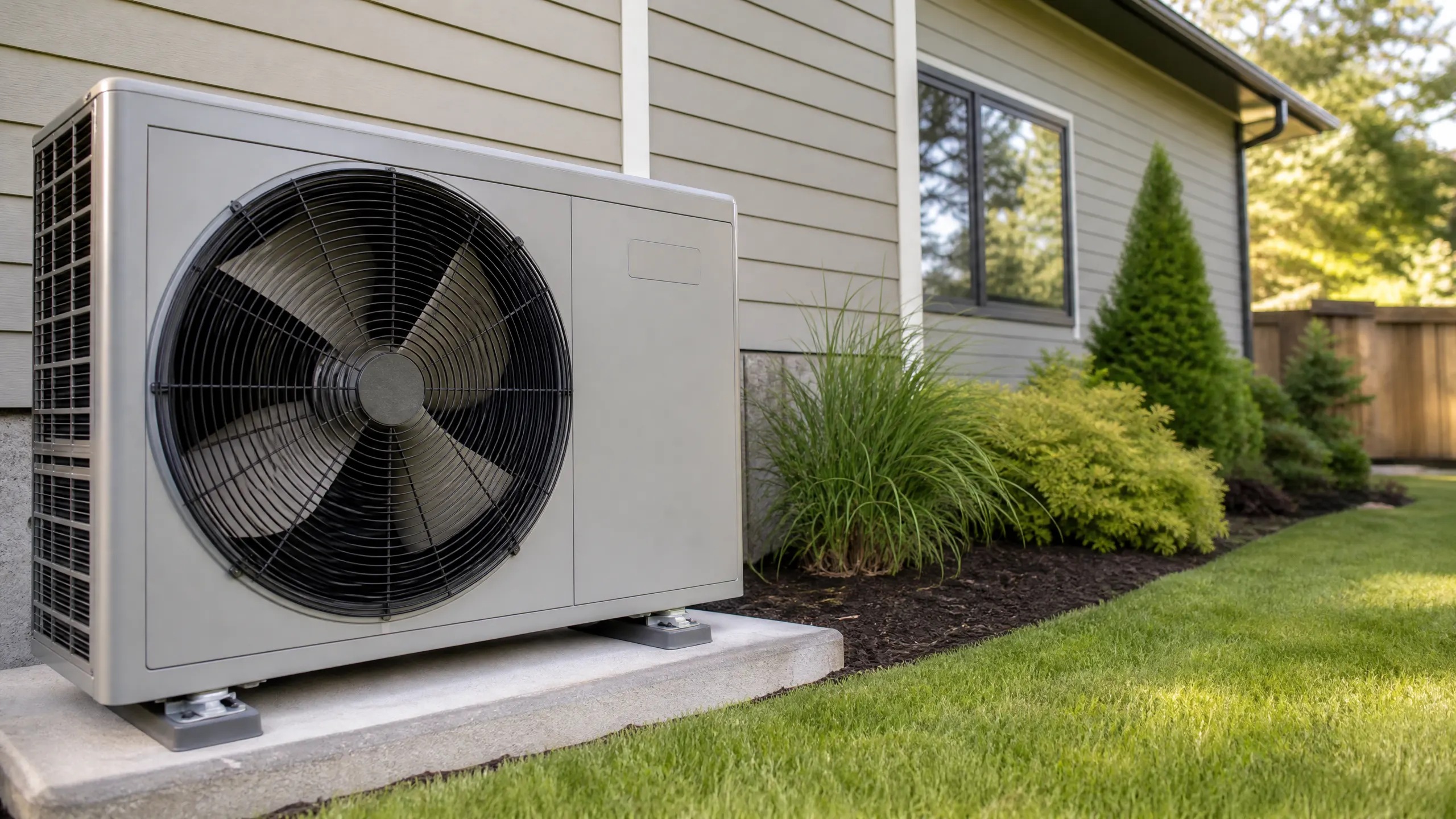






An outdoor heat pump unit mounted on a concrete pad beside a house with beige siding and a landscaped garden bed.

Heat Pump Repair in Hamilton, OH

Tell us about the job

Takes about a minute. No obligation.

RepairHeat PumpButler County, OH
Step 1 of 2

What ZIP code is the job in?

Heat pumps around here switch to heating in October and run through April. That's about seven months of work a year. That first cold stretch in October is when a weak part usually gives out, because the system is working harder than it has since spring. A capacitor or contactor that was barely hanging on in September might not make it once the heat pump is running every day. If it's struggling or blowing cool air now, get it checked before the next cold snap. Wait, and it's the same repair later, just at a worse time.

7 months
October through April, your system heats
4 months
June through September, it cools
24°F
the average winter night it heats against
85°F
the average summer afternoon it cools against
Isometric line illustration of a cutaway single-story building showing interior rooms, ceiling ductwork, an indoor air handler, and an outdoor condenser unit connected by refrigerant lines.
Your system heats October through April and cools June through September.

NOAA nClimDiv, 1991–2020 normals

A heat pump that runs but blows air no warmer than the room isn't heating, it's just moving air.

A reversing valve stuck in the wrong position or a refrigerant leak causes that, and neither gets better by waiting out another cold night.

Butler County gets its share of storms. That's not why the heat pump is down.

160 severe weather events from 2015 to 2024
18% of homes statewide lost power a day or more in 2024
94 damaging wind events from 2015 to 2024

What's actually failing matters more than how old the unit looks. A capacitor or a contactor is a small, cheap part. Replace it no matter how long the system has been running. The compressor is different. It's what moves the refrigerant, it's sealed inside the cabinet, and it's the most expensive part to replace on its own. Ask whoever looks at it to say plainly which kind of problem it is before agreeing to anything. A failing compressor and a blown capacitor both leave a heat pump that won't heat, but they're not the same decision.

A heat pump running wrong still runs up a bill

Electricity in Ohio ran 15.99 cents per kilowatt-hour in 2024. A heat pump that's short cycling, icing up, or leaning on its backup heat strip pulls power the whole time. That's not a repair cost. That's a bill that keeps showing up every month until the real problem gets fixed.

Find a contractor
A man in a dark long-sleeve shirt and tan work pants carries a canvas tool bag up porch steps toward a navy blue front door, with a potted shrub beside the entry.
A gray heat pump outdoor unit mounted on a concrete pad next to a residential house with lap siding and stone accents.

A newer house is a reason to expect years left, not a replacement

Half the homes in Butler County were built in 1979 or later. If yours is one of them, the heat pump might still be newer too. That's a good sign. It means the equipment probably hasn't logged decades of wear. That matters when something fails. A bad compressor or reversing valve early on usually means one part failed, not that the whole system is shot. A system like that still has years left in it, and it's worth repairing.

Ice on the outdoor coil spreads if the heat pump keeps running

A heat pump low on refrigerant or short on airflow will frost over on the outdoor coil. Keep running it, and that ice gets thicker. Thick enough, and the coil can't pull in outside air at all. At that point even the defrost cycle can't keep up. One weak spot turns into a unit that can't move heat in either direction.
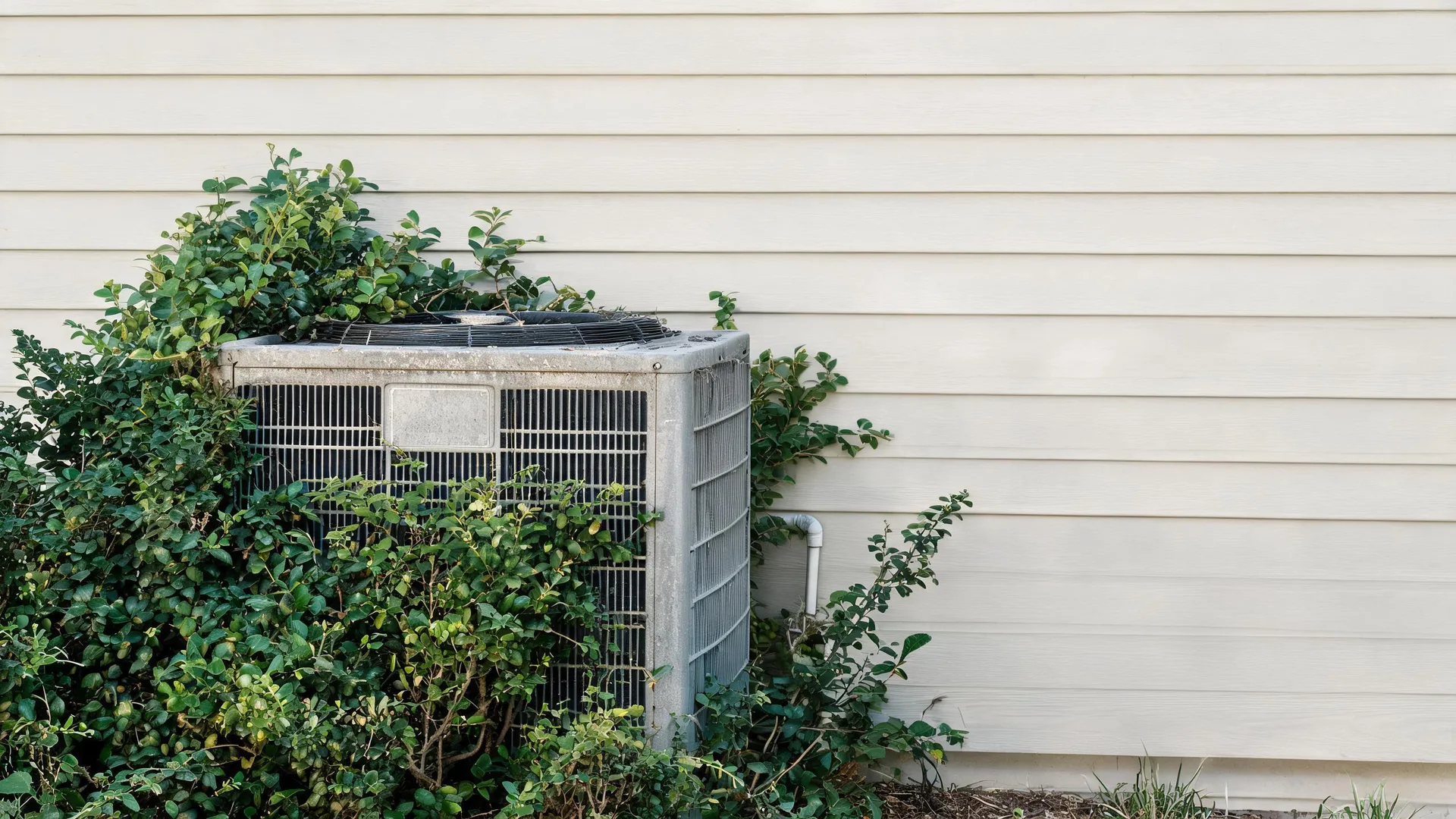
A compressor straining on a bad start part can burn out entirely

A failing capacitor or contactor won't always stop the compressor from firing up. It just fires slower, rougher. Every hard start like that heats the compressor windings more than it should. A small part struggling now is the only thing standing between a working system and a compressor that won't start at all.

Before anyone comes out, go look at the outdoor unit. If the coil is caked in ice or the fan is packed with leaves, that alone can stop a heat pump from heating right. Check the thermostat is actually set to heat and not stuck in some idle mode, then bump the set point to see if the system responds at all. Go to the breaker panel and check the breakers for the indoor air handler and the outdoor unit separately. A heat pump runs on separate circuits, and one can trip while the other stays on, which looks like total failure but isn't. Swap the air filter if you can't remember the last time you did. A filter clogged enough to choke airflow will ice the coil the same way a refrigerant leak does, and it's the one thing on this list you can rule out yourself.

A diagnostic visit starts outside, at the unit itself. Refrigerant pressures get checked with gauges. The coil gets looked over for ice or damage. The compressor and fan need to actually start up, not just hum. Inside, the air handler, the filter, and the thermostat's call for heat all get checked against what the outdoor unit is doing. Electrical testing comes next. Capacitors get checked against their rating, not just eyeballed. Contactors get checked for pitting or a coil that's gone weak. The reversing valve gets tested too. A valve stuck halfway is why a heat pump can blow cold air while everything else seems fine. By the end of that, the homeowner should hear which part failed and why. Not just that something's wrong.