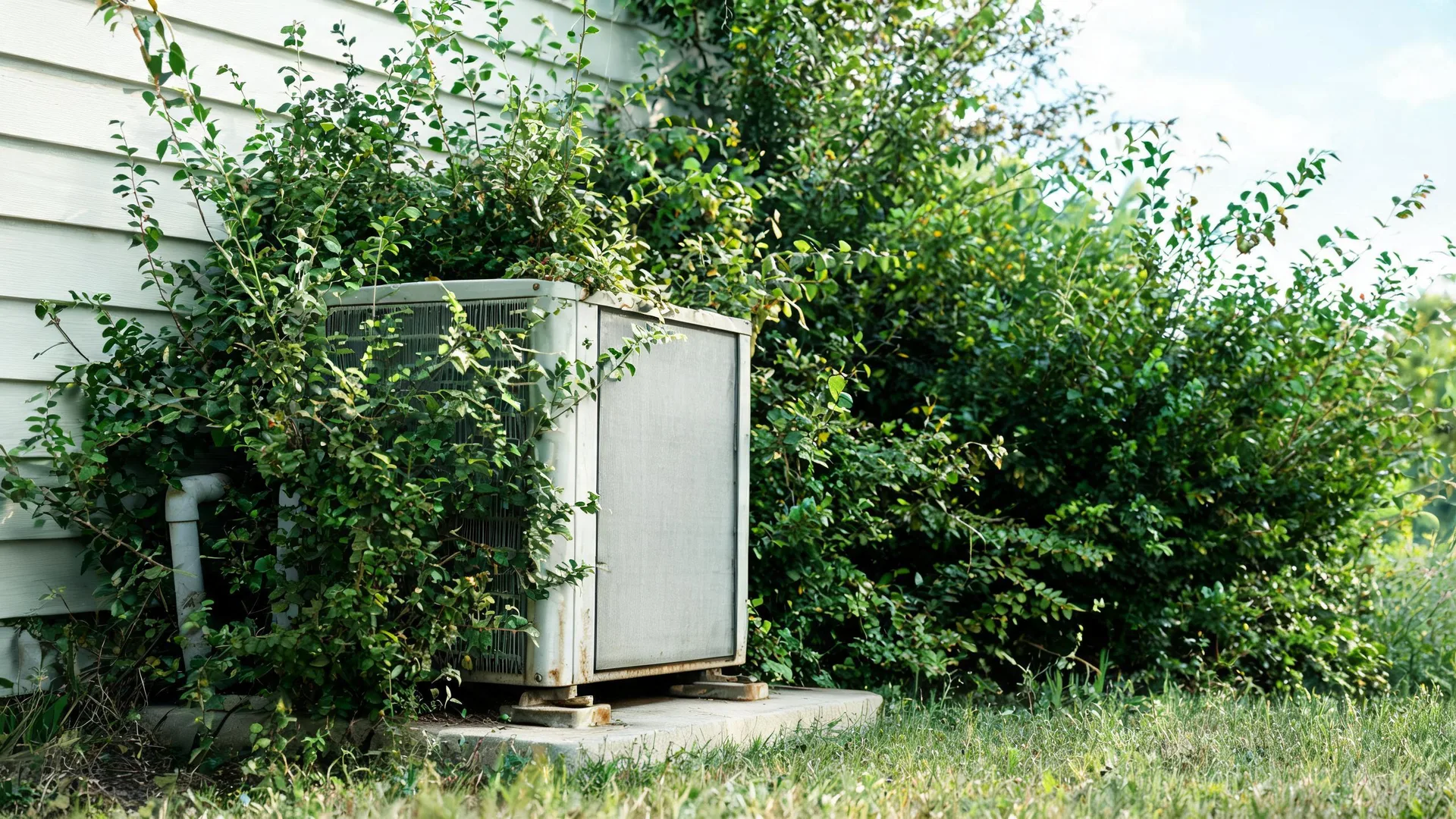
October is when weak heat pumps get found out
Chardon homes switch over to heat in October. That first real cold stretch puts more load on the heat pump than the mild weeks before it. A part that's already wearing out tends to fail right then.
Takes about a minute. No obligation.
Chardon homes switch over to heat in October. That first real cold stretch puts more load on the heat pump than the mild weeks before it. A part that's already wearing out tends to fail right then.
If a heat pump is short cycling or blowing cool air before October, get it looked at then. Catching it in September beats dealing with it on the first cold morning, when the heat is actually needed.
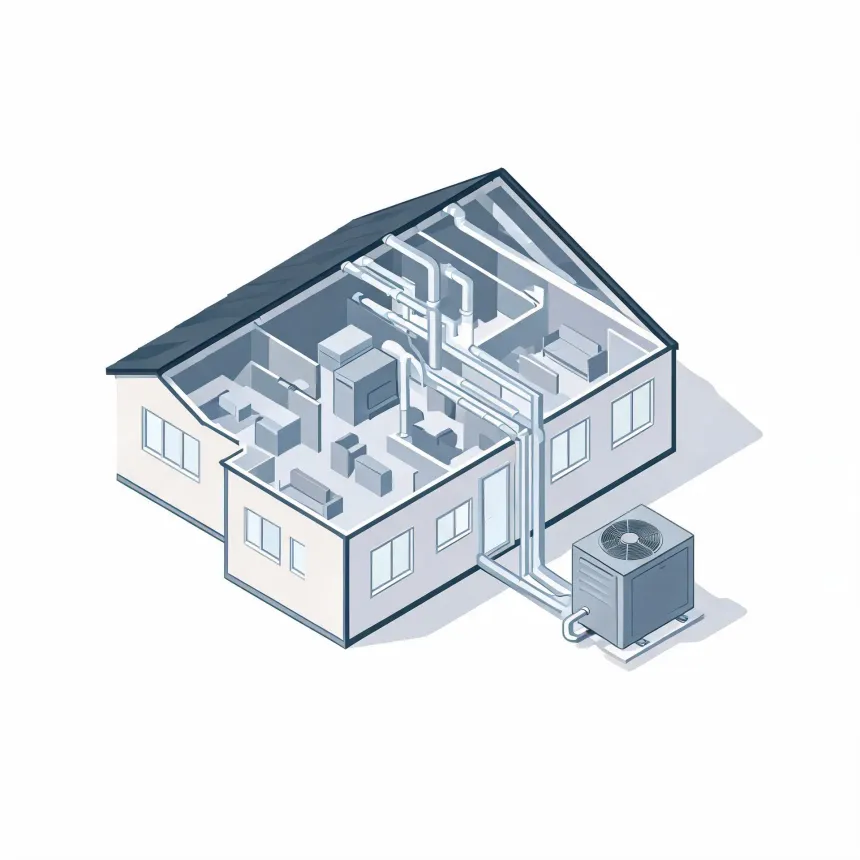
NOAA nClimDiv, 1991–2020 normals
Chardon winters sit around 21°F overnight. That's cold, but steady. It's not the deep sub-zero swings that push a heat pump past what it can handle.
A heat pump in Chardon has an easier run than most. So when one breaks down, the reason is usually age or a part that got neglected, not a machine that was overmatched from the start.




Ohio electricity runs 15.99 cents per kilowatt-hour in 2024. A heat pump uses it every day of the year, not just the cold months. If it's short cycling, or leaning on the backup strip heat more than it should, it's pulling extra power the whole time, not just when it finally quits. That cost shows up on the bill long before the heat pump fails for good. Get the actual cause found. Don't let a worn part run up the power bill all winter.
A heat pump that's made it this far in Chardon has had a fair run. Usually the fault is one part, not the whole system. Get it looked at before deciding to replace it. Most times it just needs a fix.
Find a contractor
A struggling heat pump doesn't fix itself by running longer. Low refrigerant makes the compressor run hotter than it's built for, and that heat just keeps building until something gives out. A bad capacitor makes the compressor pull harder every time it starts, and that wears the windings down a little more each cycle. Ice on the outdoor coil blocks airflow, so the system runs longer to compensate, and that only makes more ice. None of that gets better on its own. The part that's struggling today is the same part that fails later, just worse off and closer to done.
A heat pump can fail the same ways an air conditioner does, plus one more. The reversing valve is what switches it between heat and cooling. A straight air conditioner doesn't have one. When it sticks, the system blows cold air when it should be heating, or it gets stuck in one mode no matter what the thermostat says. That's a common reason a heat pump needs its own repair call instead of a general HVAC one.
The outdoor coil sheds heat all summer and pulls heat from the outside air all winter. Dirt, cut grass, leaves pressed against the fins all make it work harder to move the same amount of heat. That extra strain is what pushes a capacitor past its limit or runs a compressor hotter than it should. A coil that's been blocked for a season is often the real reason behind a failure that looks like it came from somewhere else.
Before calling anyone, check the thermostat. Make sure it's actually set to heat, and the setpoint is above room temperature, not left where it sat last summer. Check the air filter next. A clogged filter chokes airflow the same way a blocked coil does, and it's the one part meant for you to handle. Check the breaker for the outdoor unit too. It might have tripped, and now the indoor side is running with nothing answering outside. If the outdoor unit is coated in ice, don't chip at it. That just tells you something's wrong, not what it is. Past that, if a heat pump is short cycling, blowing cold air when it should be heating, or icing back up right after it defrosts, the cause is inside it. That's not something to find or fix without a tech.
A diagnostic call starts outside at the unit itself, not with a guess based on what the thermostat says. A tech checks refrigerant pressure first. Low charge explains a lot of the symptoms at once, from weak heat to ice on the coil to a compressor running longer than it should. From there it moves to the electrical side. The capacitor gets tested under load, the contactor checked for pitting, the wiring to the reversing valve checked to see if it's getting the signal and switching the way it should. The outdoor coil gets looked at too. A season of dirt or cut grass pressed into the fins can look like a failing part when the part itself is fine. None of this is guesswork swapped in piece by piece. A tech traces the symptom back to the part actually causing it, then repairs that one thing instead of replacing what didn't need it.