Storms come through often
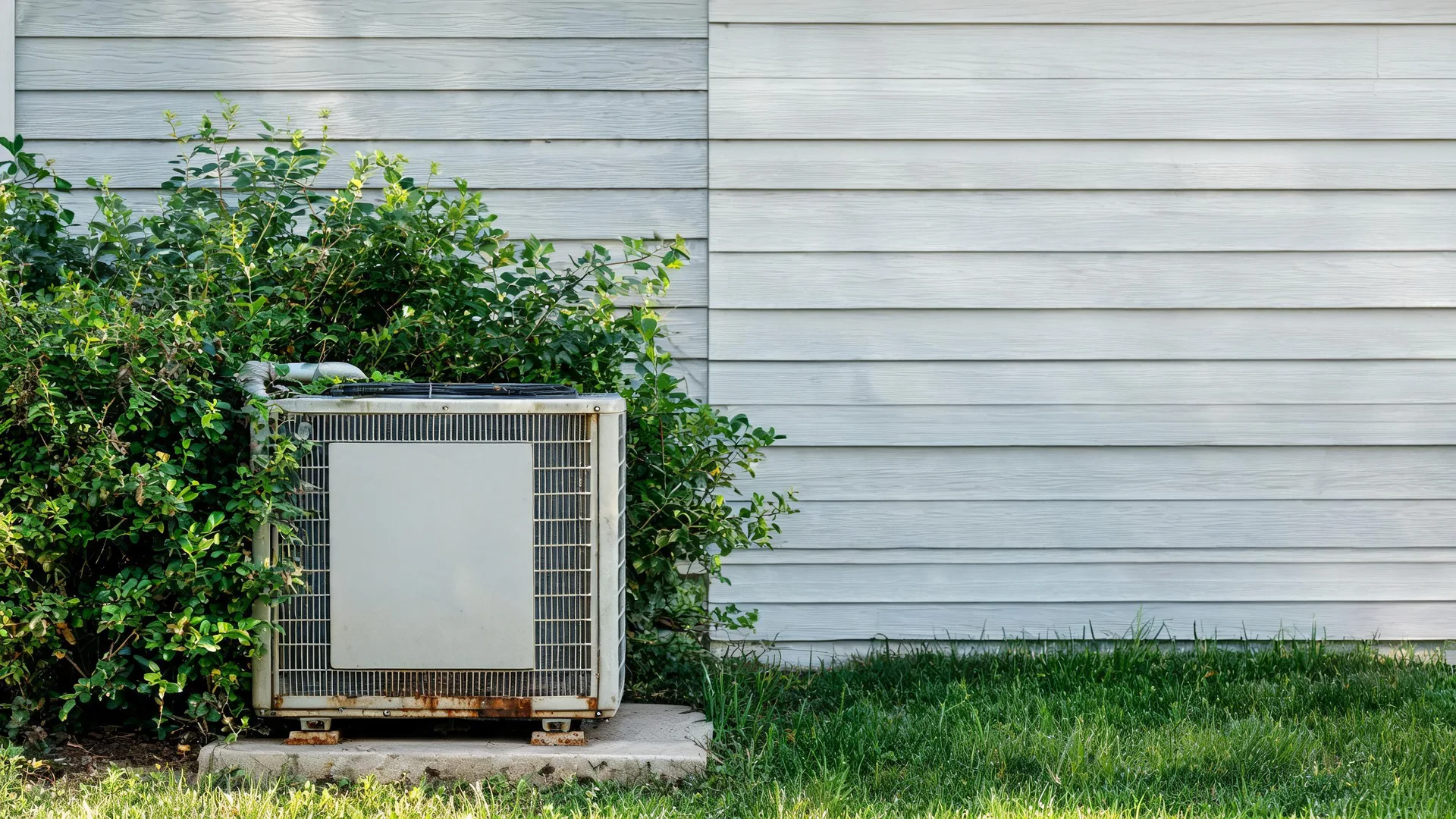
Summit County logged 188 severe weather events between 2015 and 2024, including 133 cases of damaging wind, 38 hail events and 5 tornadoes. The outdoor unit sits outside through all of it.
Takes about a minute. No obligation.
Summit County logged 188 severe weather events between 2015 and 2024, including 133 cases of damaging wind, 38 hail events and 5 tornadoes. The outdoor unit sits outside through all of it.
Close to 18% of Ohio households were without power for a day or more in 2024. A heat pump that won't start after an outage may just need a reset, or it may have taken damage during the storm that caused the outage.

NOAA nClimDiv, 1991–2020 normals
Akron heat pumps work against a 60°F summer dew point, lower than most of the country.
A heat pump that hasn't been pushed hard for years is usually a better repair bet than a worn-out one.




A heat pump that's struggling still draws power, often more than one running right. Electricity here runs 15.84 cents per kilowatt-hour, and a failing compressor or a unit short on refrigerant works harder to put out the same heat or cooling. That shows up on next month's bill before it shows up as a breakdown. Waiting to fix a unit that's clearly off doesn't save money, it just delays the repair while you pay more to run a machine that isn't doing its job.
Hail and wind have come through this county hundreds of times over the past decade, and the outdoor unit has no cover from any of it. A heat pump that still starts up can be running on a bent coil or a damaged fan blade. Have it looked at before the next storm decides for you.
Find a contractor
That lighter load is why a repair is usually worth doing on a unit that's been running fine until now. If this one has years of normal use behind it rather than years of strain, a failed part is more likely to be the only problem. Worth asking whoever looks at it whether the rest of the unit checks out sound before you decide how far to go.
A compressor low on refrigerant or losing its windings still runs when you call for heat or cooling, just worse. It pulls harder to move the same heat, runs hotter than it should, and that heat breaks down the oil that's supposed to protect it. Keep calling for heat on a compressor like that and you can turn a repair into a replacement.
A heat pump that's low on charge or has weak airflow across the outdoor coil will frost up trying to keep working. The defrost cycle is supposed to clear that, but if the real problem is still there, the ice comes back worse each cycle. Running the unit through repeated freeze and defrost cycles stresses the compressor and the reversing valve, two of the more expensive parts to replace.
A heat pump fails in a handful of predictable ways. The reversing valve sticks, so the unit keeps blowing cold when it should be heating or won't switch back in spring. A capacitor weakens and the outdoor fan or compressor struggles to start, sometimes humming instead of running. Refrigerant leaks out slowly at a fitting or coil, and the unit keeps running while it does less work each week. Airflow problems, a dirty filter, a blocked outdoor coil, a failing blower motor, make the whole system work harder than it should. The defrost control board or its sensor can fail too, and then the outdoor coil ices over and stays that way instead of clearing on schedule. Most of these start small, a part working harder than it should, before they take something more expensive down with them.
If the half built in 1966 or earlier includes yours, that's worth knowing before you spend on this repair. An old house doesn't mean an old heat pump, plenty get replaced over the years, but if this one came with the house, it's had a long run already. Ask whoever comes out to look at it straight: is this a unit worth putting money into, or one where the next failure is the compressor itself. A clear answer on that is worth more right now than the repair.