Three lit brick homes on a tree-lined residential street photographed at dusk.

Heat Pump Repair in Cleveland, OH

Tell us about the job

Takes about a minute. No obligation.

RepairHeat PumpCuyahoga County, OH
Step 1 of 2

What ZIP code is the job in?

Storms come through often here

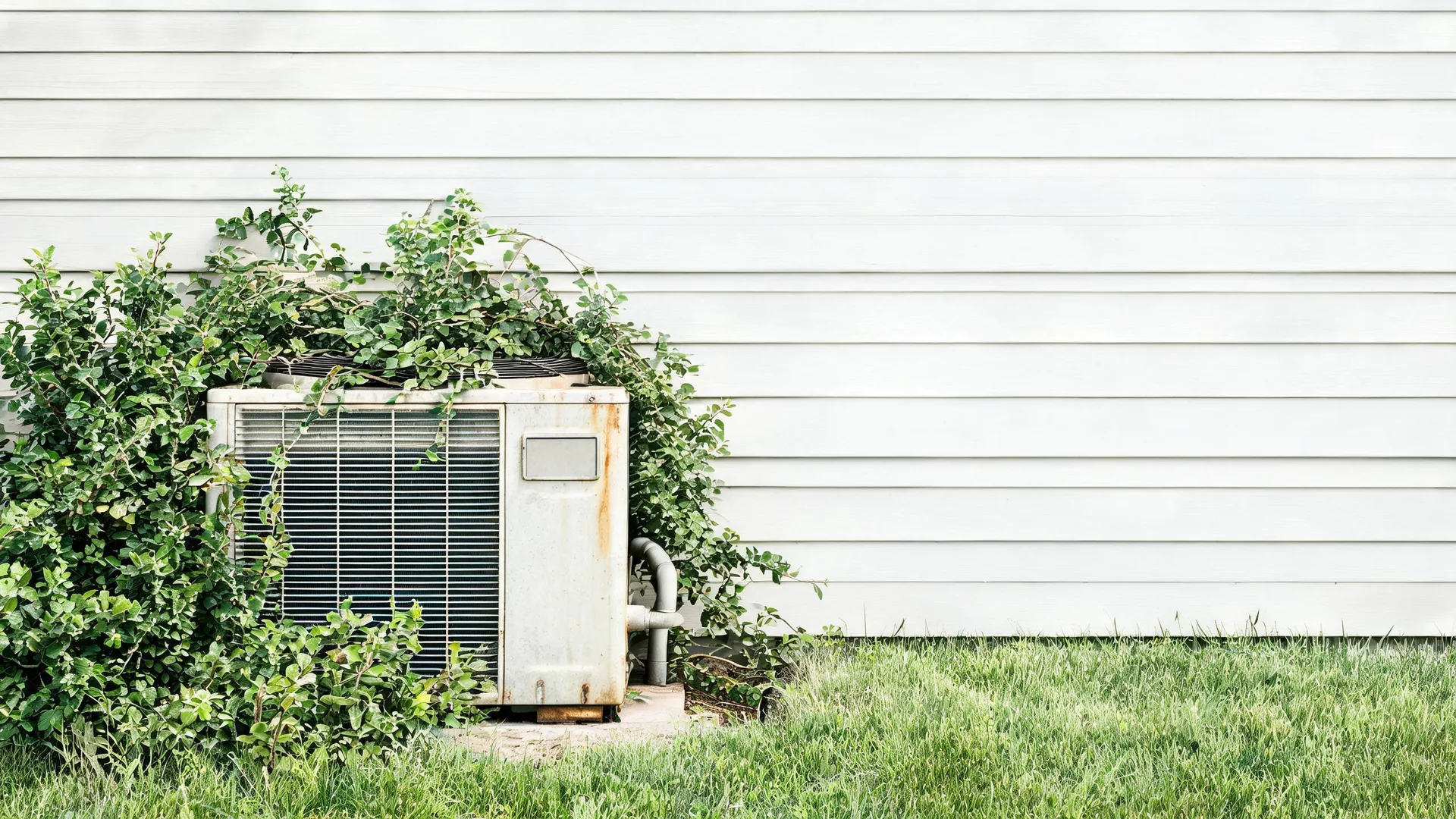
Cuyahoga County saw 283 severe weather events between 2015 and 2024, including 221 damaging wind events, 39 hail events and 6 tornadoes. An outdoor heat pump unit sits outside through all of it, exposed to wind-blown branches, hail and debris.


A unit can take a hit and keep running

Hail or debris can dent a cabinet or bend the fins on the coil without stopping the unit right away. Damage like that tends to show up later as the heat pump loses efficiency or wears out a part sooner than it should.

8 months
October through May, your system heats
3 months
June through August, it cools
23°F
the average winter night it heats against
80°F
the average summer afternoon it cools against
Isometric cutaway illustration of a single-story house showing interior ductwork, an indoor air handler, and an outdoor condenser unit connected by lines along the exterior wall.
Your system heats October through May and cools June through August.

NOAA nClimDiv, 1991–2020 normals

Electricity here runs 16.27 cents per kilowatt-hour, above what most of the country pays.

A heat pump that's struggling pulls more power to do the same job, and you pay that higher rate on every extra kilowatt-hour it uses.

September and May are when a weak heat pump quits

Cooling runs June through August
Heat runs October through May
Climate zone 5A
Half the homes here are old enough to be on a second heat pumpHalf the homes in Cuyahoga County were built in 1957 or earlier, and a system in an old house may be closer to the end than you think.

A heat pump that's struggling doesn't wait for you to notice before it starts costing you. Short cycling, longer run times, air that's not quite warm or cool enough, all of it means extra kilowatt-hours every day it keeps running that way. Power here costs more than in most places, so that difference shows up on the bill faster than it would somewhere else. Waiting a few weeks to call someone out usually just means a few more weeks of paying more for less comfort. Get it looked at while it's still a repair and not a replacement.

Get it checked after the storm, not after it quits

If your outdoor unit took a hit from hail or wind this year, don't wait for it to stop working before you get it checked. Damage to the cabinet or the coil fins can sit there quietly costing you efficiency long before the unit fails outright.

Find a contractor
A gray air-source heat pump mounted on a concrete pad next to a house with gray vinyl siding, surrounded by gravel and flanked by green shrubs and white hydrangea flowers.

This heat pump has been running a long time

If a repair is on the table, ask the contractor how old the unit is and what shape the rest of it is in before you pay to fix just the one part that quit. A heat pump installed when a lot of this area's housing went up has had years to wear down everywhere else too, not just at the spot that's failing now. That's worth knowing before you spend on a repair that buys you a year on a unit that's done in three.

What a struggling heat pump sounds and feels like

A heat pump that needs attention usually tells you before it quits. It runs longer than it used to without quite reaching the temperature you set. It cycles on and off more than it should, or it blows air that feels barely warm or barely cool. You might hear a clatter or a grinding sound from the outdoor unit, or notice ice building up on the coil when it shouldn't be there. Any of these is worth a call, not a wait and see.

Why waiting makes the repair bigger

A heat pump doesn't fail all at once most of the time. A worn part makes the system work harder, and working harder wears down the next part faster than it should go. A refrigerant leak left alone can damage the compressor, the most expensive part in the unit. A dirty coil left alone makes the whole system strain to do what it used to do easily. Catching the problem early usually means fixing one part instead of several.

Most heat pump failures trace back to a handful of parts. The capacitor is one. It gives the compressor and fans the jolt they need to start, and it weakens over time until the day it just doesn't deliver enough. The reversing valve is another. That's the part that switches the system between heating and cooling, and when it sticks, the unit gets stuck blowing the wrong temperature air or stops switching modes at all. Refrigerant leaks cause their own kind of trouble, usually at a fitting or a coil, and a system low on refrigerant has to run longer to do the same job. Outdoor fan motors wear out from running constantly through the hottest and coldest stretches of the year. None of these fail on their own schedule. They fail faster when the system is already working harder than it should.

Not every repair is worth making, and a contractor can walk you through that math once they're looking at the actual unit. A system that's otherwise sound and just lost a capacitor or a fan motor is almost always worth fixing. That's a contained failure, cheap relative to the whole machine, and fixing it gets you back to normal. It's a different question when the compressor is failing or the coil is leaking in more than one spot. Those repairs cost more because the part itself is expensive or hard to get to, and they don't tell you much about what's going to fail next in a system that's already old. The honest way to think about it is whether the repair fixes the unit or just fixes today.