A quiet residential street at dusk lined with illuminated two-story brick houses and mature trees.

Furnace Installation in Columbus, OH

Tell us about the job

Takes about a minute. No obligation.

New system or replacementFurnace or heatingFranklin County, OH
Step 1 of 2

What ZIP code is the job in?

This county gets hit

Franklin County recorded 268 severe weather events between 2015 and 2024. That includes 174 damaging wind events, 79 hail events and 8 tornadoes. Six winter storms brought heavy snow, ice or blizzard conditions in that same stretch.

Power doesn't always hold

Almost one in five Ohio households went at least 24 hours without power in 2024. A furnace with no power won't light, no matter how new it is. Where the installer puts the unit and how the system handles an outage matters as much as the furnace itself.

8 months
October through May, your furnace is on duty
24°F
the average winter night it heats against
67%
of homes here heat with gas, so most furnaces here burn gas
80% AFUE
the federal minimum any new unit must meet
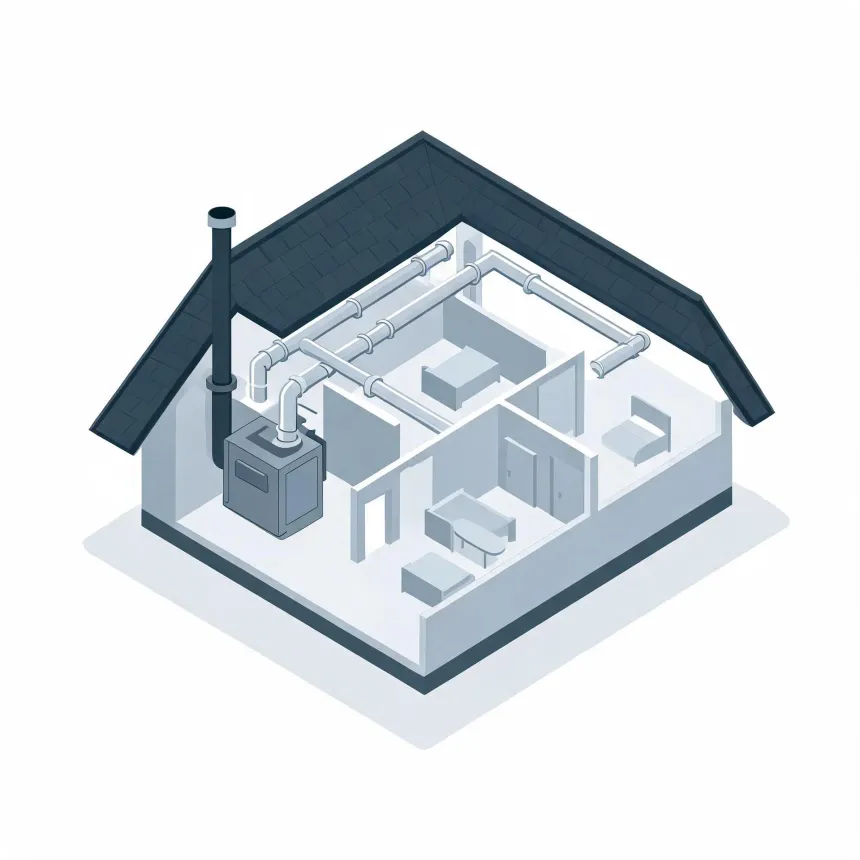
Isometric illustration of a cutaway house showing a dark furnace unit with a flue pipe and branching ductwork running through rooms with simple furniture under a dark gabled roof.
Your furnace works hardest from November through March.

NOAA nClimDiv, 1991–2020 normals

A furnace that's too big for the house cycles on and off instead of running steady.

An installer sizes the furnace to the house with a load calculation, not by matching the one that's already there.

Eight months of heat is a long time to gamble on an old furnace

Heat runs October through May
Climate zone 4A
Winter nights average 24°F
Most Furnaces Here Run on GasUtility gas heats 66.9% of homes in Franklin County, electricity heats most of the rest.

Franklin County falls under zone 4A in the 2021 energy code, a mixed climate that makes a furnace work in both directions over the year. Any gas furnace installed has to meet the federal minimum for that manufacture date. Units built from November 19, 2015 on have to turn at least 80 percent of their gas into heat over the season. That floor rises to 95 percent for furnaces manufactured on or after December 18, 2028. An installer can tell you which side of that line a given model falls on, and whether it qualifies for the federal tax credit available on qualifying high-efficiency equipment.

Plan the installation around the power going out, not just the heat going down

Ask the installer where the outdoor unit will sit and what it's rated to take, since wind and hail are a real possibility here. Ask what happens to heat and hot water if the power goes out, and whether the new system changes that answer at all.

Find a contractor
A man in a cap, gray T-shirt and tan work pants carries a canvas tool bag up porch steps toward a dark blue front door of a gray clapboard house, with a potted plant at left.
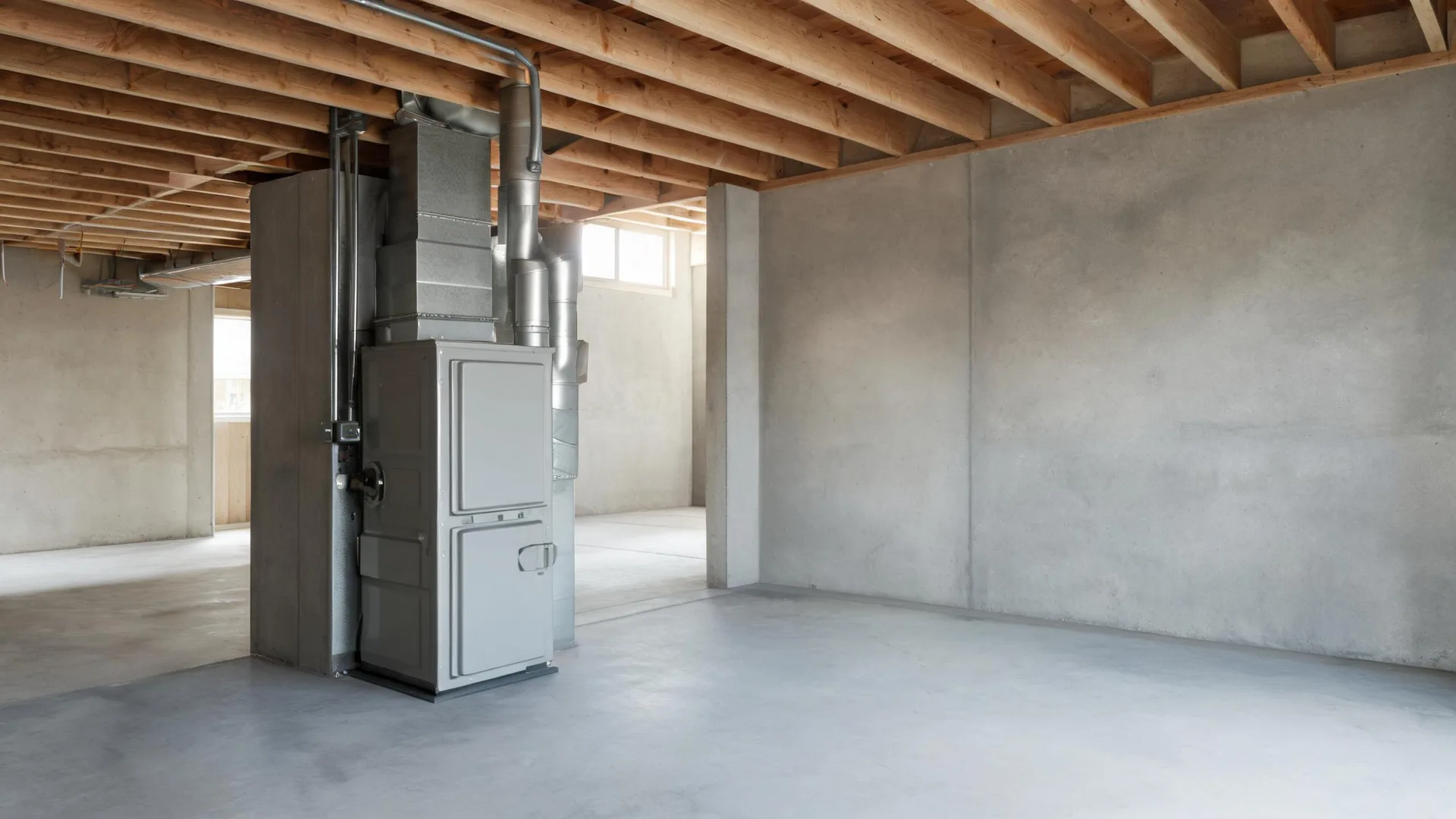
A gray residential gas furnace installed in an unfinished basement, connected to sheet-metal ductwork and PVC pipes.

The label tells you the ceiling. The clock tells you how often you'll hit it.

The percentage on the label is the AFUE rating, and it tells you how much of the gas burned actually turns into heat in the house. The rest goes out the flue. A furnace with a higher rating wastes less gas doing the same job. That number holds whether the furnace runs a few weeks a year or most of it. Run time doesn't change the rating, it changes how much that rating ends up mattering. A furnace that sits idle most of the year will burn through less gas overall than one that fires up night after night through a long stretch of cold, even if they carry the same AFUE. The clock shows how many hours this unit will actually spend converting gas to heat, and that's the number the rating is working against.

Ask what stage the burner runs

A single-stage furnace is either firing at full output or off. A two-stage or modulating furnace can hold a lower flame for most of the run time, which keeps the air from the vents warmer instead of blasting hot air and shutting off. Ask what stages the model offers and how the installer decides which one fits the house.

Ask about the blower motor, not just the furnace

The blower moves air through the ducts whether the furnace is heating or the air conditioner is cooling. A variable-speed motor adjusts itself to keep airflow steady and tends to run quieter than a single-speed one. Since it runs for both heating and cooling, it's worth asking about on its own, separate from the AFUE rating on the furnace itself.

An unfinished basement containing a metal furnace with ductwork, exposed wooden joists on the ceiling, cardboard boxes, a coiled cable, and a single hanging incandescent bulb.

A high-efficiency gas furnace would save about $130 a year to run in Franklin County compared with a gas furnace.

  • A high-efficiency gas furnace$620 a year
  • A gas furnace$750 a year

Estimates for a typical Franklin County home, from EIA household energy data, Ohio fuel prices and NOAA climate normals. Your home will differ.

An installer starts by shutting off gas and power to the old furnace and draining any condensate line before anything gets disconnected. The old unit comes out, and that's usually the point where problems hiding behind it show up, a cracked heat exchanger or a flue pipe that was never sized right. Setting the new furnace means leveling it, connecting the gas line, the venting, the ductwork and the condensate drain if it's a high-efficiency model, then wiring it to the thermostat. Once it's buttoned up, the installer fires it and checks gas pressure, static pressure in the ducts and temperature rise across the heat exchanger. Each of those has a range the furnace is built to run in, and the installer adjusts the gas valve or blower speed until the readings land there. Before leaving, a good installer tests the system through a full heating cycle and walks through what the new thermostat does differently from the old one.