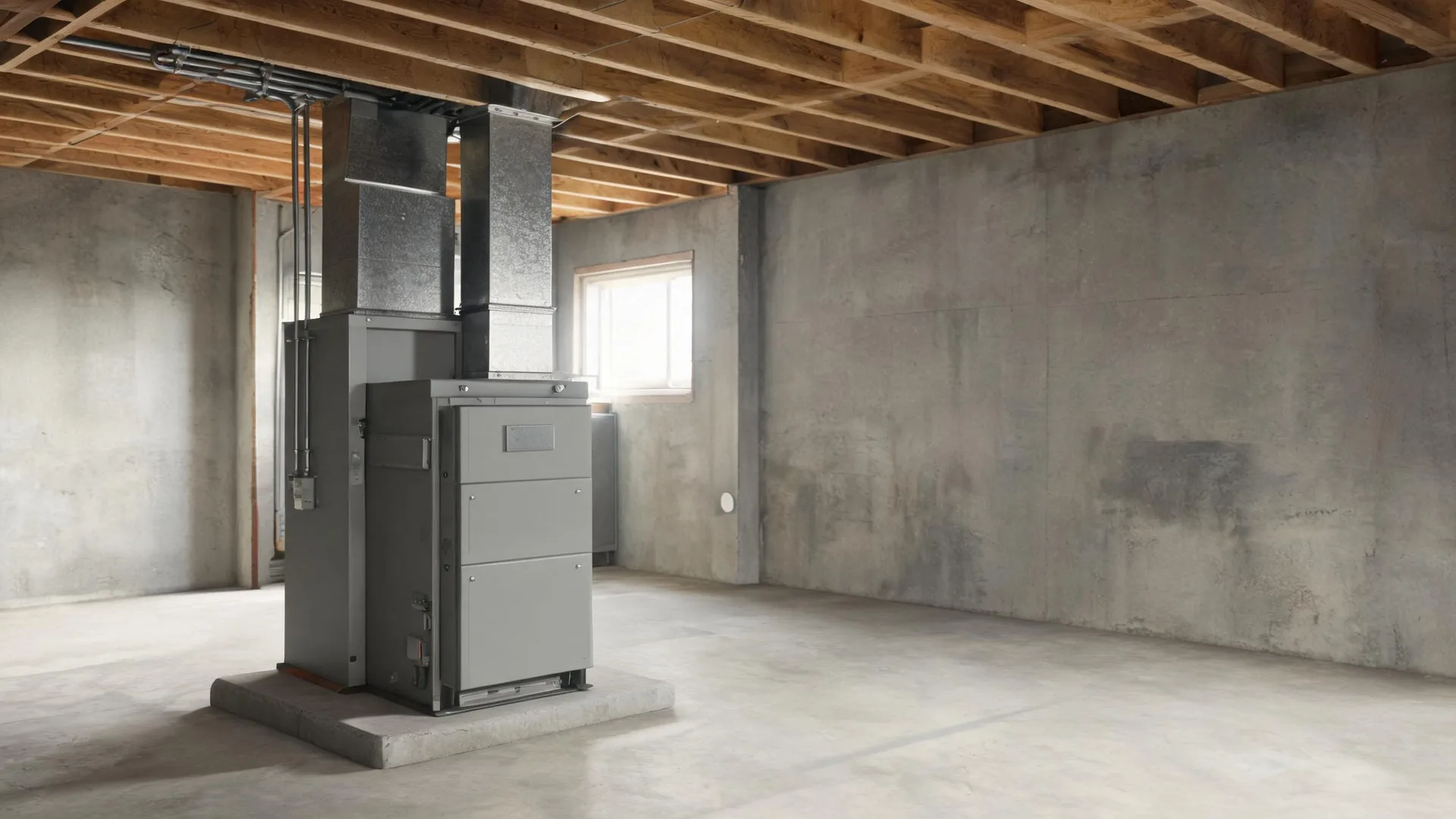
Eight months of runtime
A furnace in Richland County runs from October through May. That is most of the year, not a few cold weeks. The burner and blower rack up far more hours here than they would somewhere milder.
Takes about a minute. No obligation.
A furnace in Richland County runs from October through May. That is most of the year, not a few cold weeks. The burner and blower rack up far more hours here than they would somewhere milder.
A furnace working that many months a year needs to match the house it's heating, not just the price tag on the showroom floor. One too small strains to keep up all winter. One too big cycles on and off more than it should, and that short-cycling wears parts out sooner.
NOAA nClimDiv, 1991–2020 normals
Half the homes in Richland County were built in 1965 or earlier.
A furnace going into a house that old has to be sized and vented for the place, not just the price tag.



Gas heats 62 percent of the homes in Richland County, more than every other fuel combined. If your old furnace burns gas, the straightforward move is to put in another gas furnace. The gas line, the vent, the spot in the basement or closet are already set up for it. Electric furnaces and heat pumps can work, but they ask for different wiring and sometimes a different spot entirely, and power here isn't cheap to run a furnace on all winter. Matching what's already there keeps the job simpler and the house heating the way it always has.
A furnace going into a house built in 1965 or earlier has to match that house, the venting, the space it sits in, the way the place holds heat. Get the sizing and venting right at install and the system runs the way it should for years.
Find a contractorEight months a year adds up fast. Over a few winters here, that's thousands of hours on the burner and blower, more than a furnace in a milder state would ever see. A new system sized right for the house will carry that load without strain. Picking one on price alone just means paying for those hours twice.
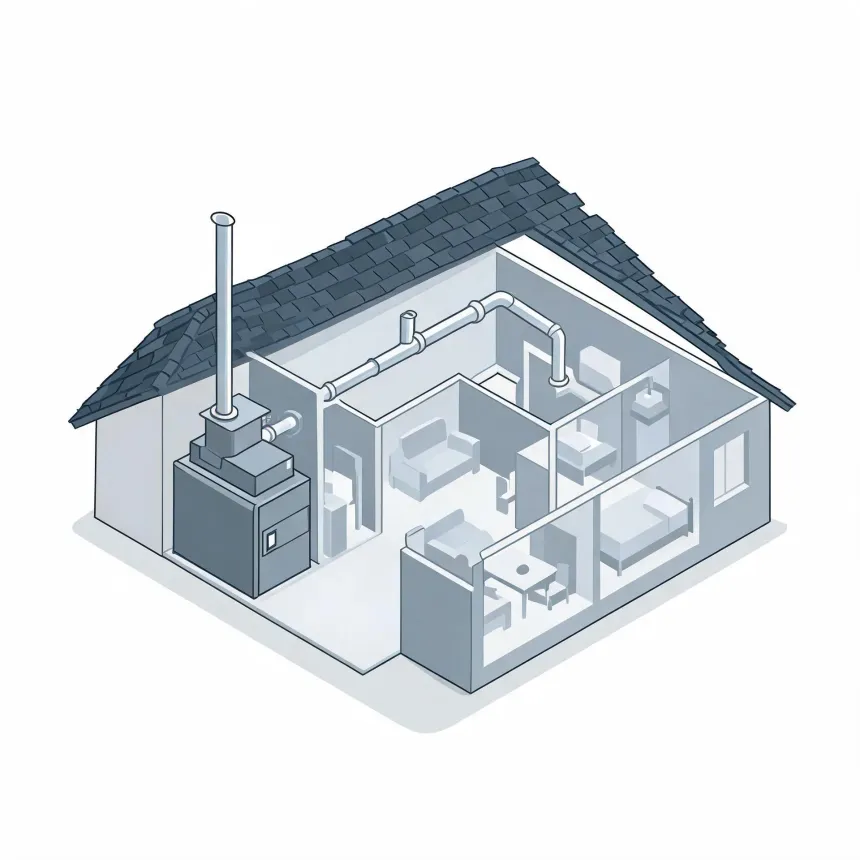
A furnace isn't just unhooked and left. The gas line gets capped or reconnected to the new unit, the vent connection comes apart, and the old cabinet gets disconnected from the ductwork and the electrical. Whoever installs the new one hauls the old furnace out as part of the job.
Swapping in a new furnace isn't always a straight trade. Vent sizing and clearances have changed over the years, so the old venting or the old duct connection may need adjusting to meet what the new furnace calls for. A proper install checks that before the old one ever comes out, not after.
Estimates for a typical Richland County home, from EIA household energy data, Ohio fuel prices and NOAA climate normals. Your home will differ.
A real install starts before anyone touches the furnace. The crew checks the duct connections, the gas line, the vent, the electrical, and confirms the new unit will actually mate up with what's there. Once the old furnace is out, they set the new one, connect the gas line, run the vent, and tie in the ductwork and wiring. Then they fire it up and check the flame, the gas pressure, and the temperature rise to make sure it's running the way it's supposed to. A furnace that's installed right heats evenly from the first day and doesn't need a callback to sort out something that should have been caught during setup.