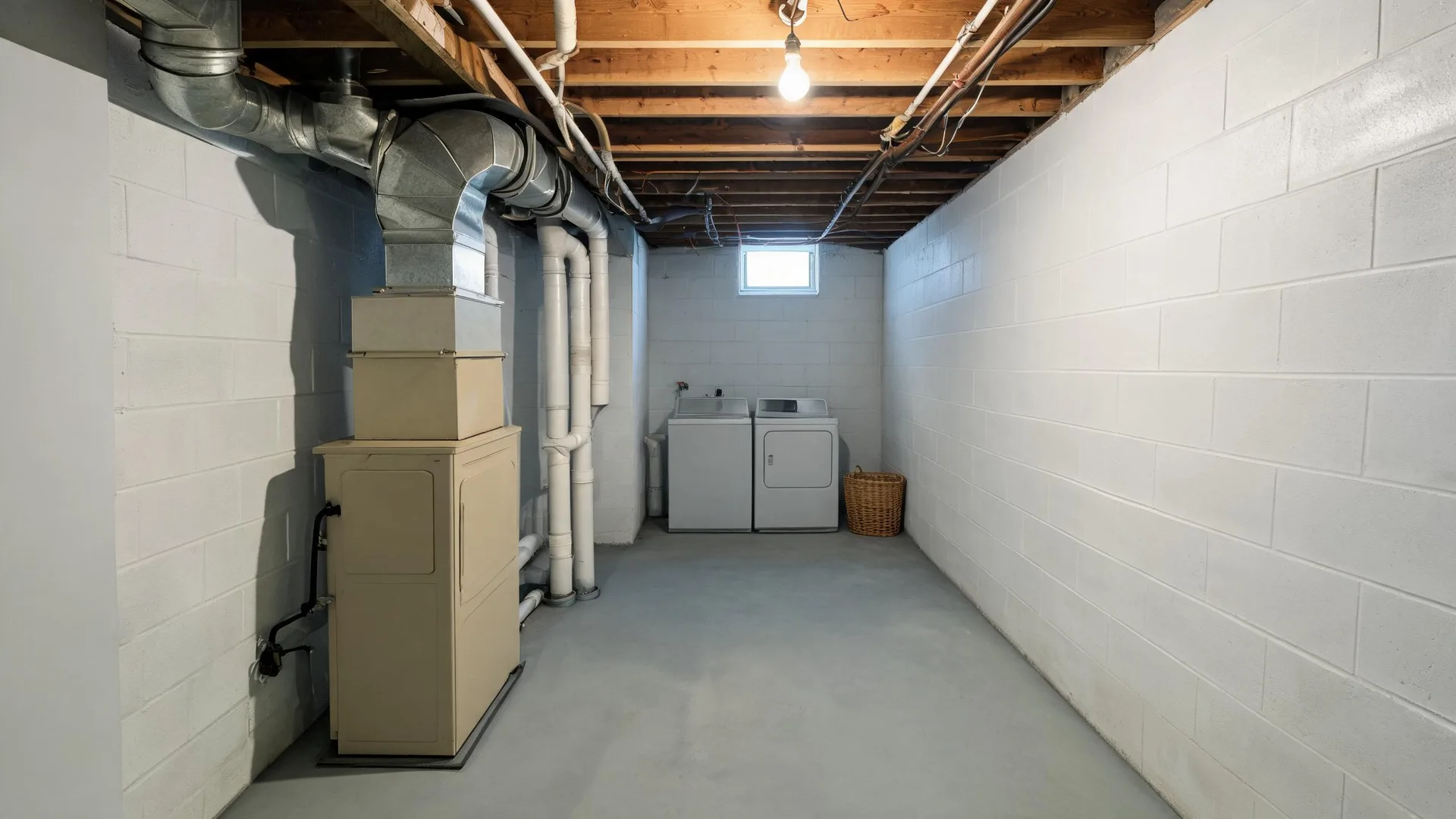
Gas is the common fuel in Miami County
Most homes in Miami County heat with utility gas, 57.8% of them. Electricity is next at 27.9%. The rest run on LP gas or fuel oil.
Takes about a minute. No obligation.
Most homes in Miami County heat with utility gas, 57.8% of them. Electricity is next at 27.9%. The rest run on LP gas or fuel oil.
If a home already has a gas line and a flue for venting, putting in a new gas furnace on that same setup is a straightforward job. Switching to a different fuel source is a bigger project.

NOAA nClimDiv, 1991–2020 normals
The size of the furnace matters more than the brand on it.
Too big or too small for the house, and it runs poorly no matter how good the install is.



Overnight lows average 23°F in December, January and February here. The furnace runs from October through May, about eight months of the year. That's a long stretch, but it doesn't call for an oversized unit. A furnace sized right for the house handles the coldest nights the same way it handles the milder weeks on either end. What matters is matching the unit to the home, not buying extra capacity just because winters are cold.
Natural gas ran $12.89 per million Btu across Ohio last year. That's the fuel your new furnace will likely run on, and a unit sized to your house is what keeps that cost in line, not a bigger model than the house calls for. Get the sizing right and the rest of the installation follows.
Find a contractorHalf the homes in Miami County were built in 1971 or earlier. A new furnace has to be sized for the house as it stands today. That means the windows, the insulation, the layout, all as they are right now, not whatever standard the house was built to back then. That sizing work gets done on every new installation, no matter what was in the house before.
The AFUE number on the label is the share of fuel that turns into heat for the house. The rest goes out the flue and never reaches the ductwork. A higher number means less fuel lost up the vent, for the same furnace doing the same job.
A high-efficiency furnace cools the exhaust enough to pull condensate out of it. So it vents through PVC pipe instead of a metal flue, and needs a drain line to get rid of that condensate. A furnace with a lower rating stays hot enough to vent the old way, through metal. That difference shapes what the installation involves, not just what shows up on the gas bill.
Estimates for a typical Miami County home, from EIA household energy data, Ohio fuel prices and NOAA climate normals. Your home will differ.
The old furnace comes out first. Gas line, flue, ductwork, electrical, all disconnected. If the new unit vents differently, say metal flue to PVC, new pipe gets run out through a wall or up through the roof, wherever it can terminate with the right clearance. The new furnace gets set in place, leveled, and hooked back to the ductwork, with new transitions if the cabinet size is different. Gas line gets connected and checked for leaks before anything fires up. Once it's running, static pressure in the ducts gets checked, gas pressure gets set at the manifold, and the temperature rise gets confirmed against what the furnace is rated for. That last check is what shows the airflow and the burner are actually working together, not just that the furnace turns on.