




A row of dark-sided single-story cottages with brown shingled gable roofs behind trimmed hedges, mown lawn and a light-colored path, surrounded by large deciduous trees under an overcast sky.

Furnace Installation in Brunswick, OH

Tell us about the job

Takes about a minute. No obligation.

New system or replacementFurnace or heatingMedina County, OH
Step 1 of 2

What ZIP code is the job in?

Utility gas heats 72.7% of occupied homes in Medina County, and most furnaces installed here are gas furnaces for that reason. Electricity comes in a distant second at 18.6%, with LP gas and fuel oil heating small pockets of the county. When the home you're replacing a furnace in already runs on gas, staying with gas is usually the simplest path, since the house is already set up for it.

8 months
October through May, your furnace is on duty
22°F
the average winter night it heats against
73%
of homes here heat with gas, so most furnaces here burn gas
80% AFUE
the federal minimum any new unit must meet
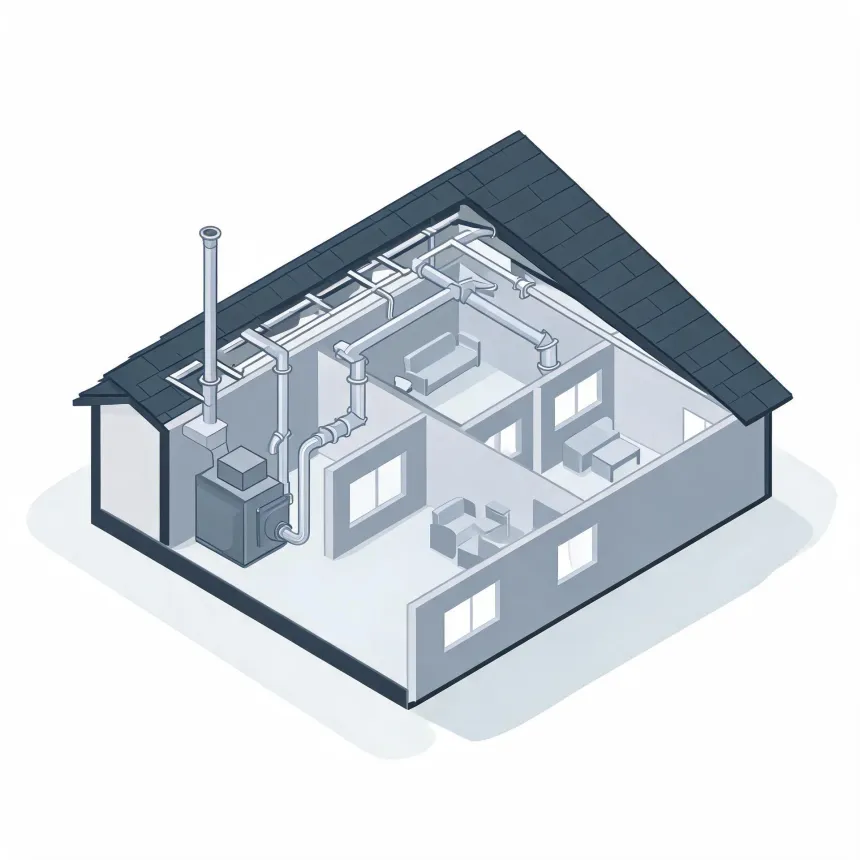
Isometric cutaway illustration of a single-story house showing interior rooms, a furnace unit with flue pipe, and branching ductwork running through the ceiling space under a dark shingled roof.
Your furnace works hardest from November through March.

NOAA nClimDiv, 1991–2020 normals

A gas furnace sized right for the house runs $12.89 per million Btu in Ohio.

Brunswick homes don't need a bigger furnace or a pricier one than standard to stay warm.

Furnaces in this area run eight months out of the year. Get it checked in September before that stretch starts.

Heat runs October through May
Winter nights average 22°F
Climate zone 5A
Built for a Brunswick winterFurnace season here runs October through May. January nights drop near 22°F. Size the furnace right, and it handles that cold on its own, no help needed.

The size of the furnace matters more than any other factor. A contractor has to run a load calculation on the house, looking at square footage, insulation, window count, and ceiling height, to land on the right output. Too big and the furnace short cycles, turning on and off fast enough to wear out its parts early. Too small and it runs constantly without catching up on the coldest days. Beyond sizing, the ductwork gets a hard look too. If the existing ducts are undersized or leaky, modifying or sealing them adds to the job, but skipping that step means the new furnace fights the same airflow problems the old one had. The vent pipe and gas line also get inspected, since a higher efficiency furnace sometimes needs a different venting setup than what's already in the wall.

Go with the standard fit

A standard size and efficiency fit fine here. There's no local reason to go bigger or pricier.

Find a contractor
A man in a cap, gray long-sleeve shirt and brown work pants walks up porch steps toward a dark blue front door, carrying a canvas tool bag, with gray horizontal siding and a potted flowering plant nearby.
A gas furnace with attached ductwork, gas piping, and condensate lines installed in a concrete-block basement.

Correct sizing is what lets it last the distance

A furnace sized right runs long, steady cycles. It pulls heat out slow and even, so the house doesn't swing hot and cold. An oversized unit skips that. It satisfies the thermostat in a few minutes, shuts off, then kicks on again soon after. Each of those starts wears on the igniter and the blower motor, more than a long cycle ever would. Over a full winter of that cycling, the parts that start and stop the most are the first ones to show it.

The old furnace gets disconnected and hauled out

The gas line gets capped or rerouted to the new unit. The old vent pipe comes down. The electrical connection gets pulled. The old furnace leaves with the crew. None of its parts carry over, even the ones that look fine. The new furnace has its own control board and its own venting needs.

The old ductwork and thermostat usually stay

The ducts already in the house get reused, unless the load calculation turns up a sizing or airflow problem. Same with the thermostat, as long as it works with the new furnace's ignition system. Replacing a furnace doesn't mean replacing everything attached to it.

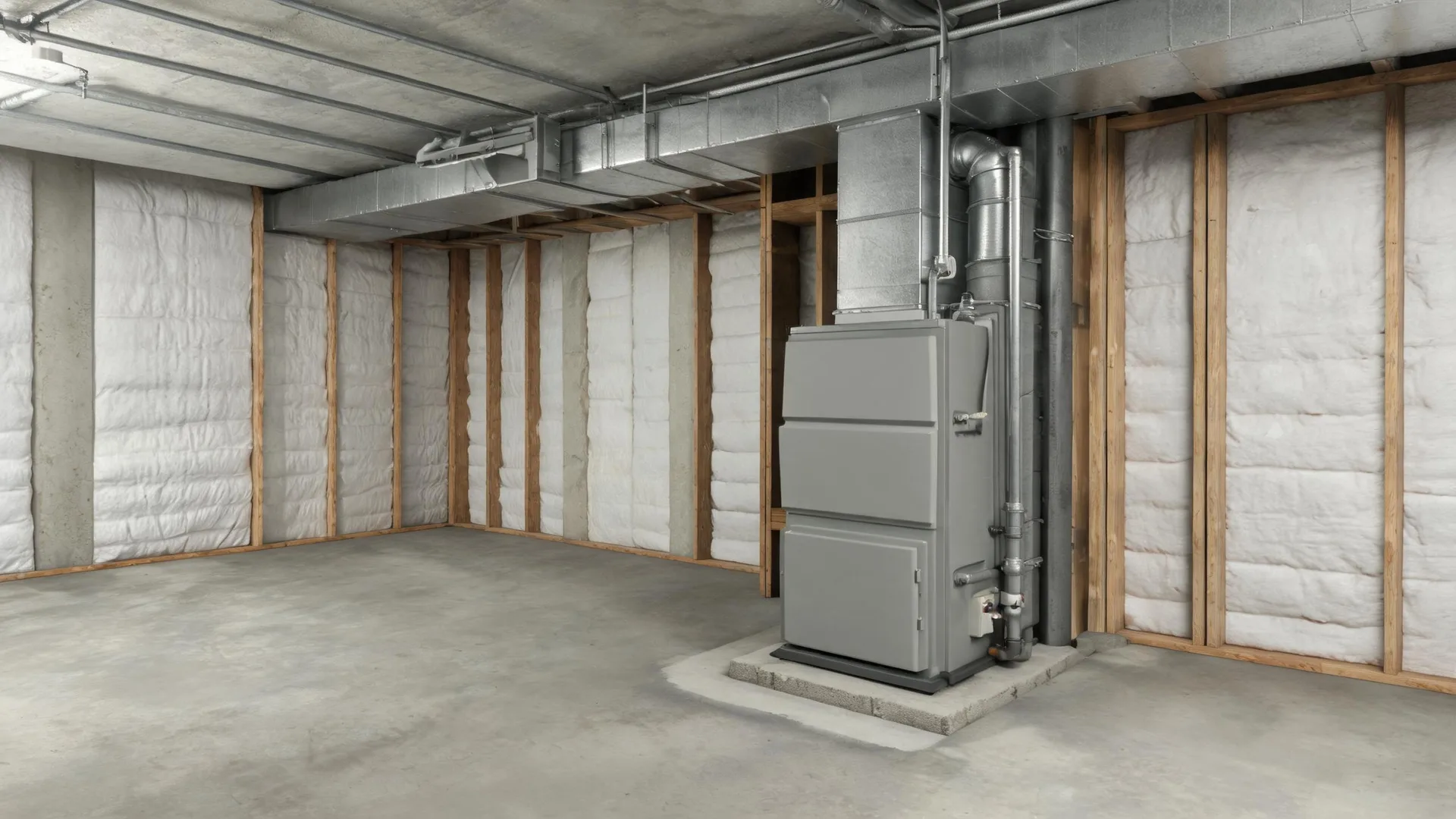
An unfinished concrete basement containing a gas furnace with sheet-metal ductwork, utility shelving, and exposed overhead joists.

A high-efficiency gas furnace would save about $140 a year to run in Medina County compared with a gas furnace.

  • A high-efficiency gas furnace$690 a year
  • A gas furnace$830 a year

Estimates for a typical Medina County home, from EIA household energy data, Ohio fuel prices and NOAA climate normals. Your home will differ.

The old furnace comes out first. That part usually goes faster than putting the new one in. Once the space is clear, the new cabinet gets set and squared up, then hooked to the gas line, the vent, and the ductwork already there. Each connection gets tested as it's made, not all at once at the end. The vent pipe gets checked for the right pitch so exhaust actually leaves the house instead of backing up. The gas line gets pressure tested before anyone lights a flame. Once the furnace fires, the temperature rise across it gets checked, the blower gets confirmed to be moving enough air, and it runs a full cycle before the job gets called done. A furnace that looks installed and a furnace that's running right aren't the same thing until it's been watched through a cycle.