


A quiet suburban street at twilight featuring two-story brick homes with illuminated windows and large trees lining the sidewalk.

Furnace Installation in Beavercreek, OH

Tell us about the job

Takes about a minute. No obligation.

New system or replacementFurnace or heatingGreene County, OH
Step 1 of 2

What ZIP code is the job in?

Half the homes in Greene County went up in 1976 or earlier, half later. That split doesn't mean much for equipment. A furnace gets sized to the house, not the house's age. An installer runs a load calculation based on square footage, windows, and insulation, whether the home is new or decades old. Nothing about a standard build here calls for going bigger or paying for a higher-tier unit. A properly sized, standard-efficiency furnace does the job in most Beavercreek homes.

8 months
October through May, your furnace is on duty
24°F
the average winter night it heats against
60%
of homes here heat with gas, so most furnaces here burn gas
80% AFUE
the federal minimum any new unit must meet
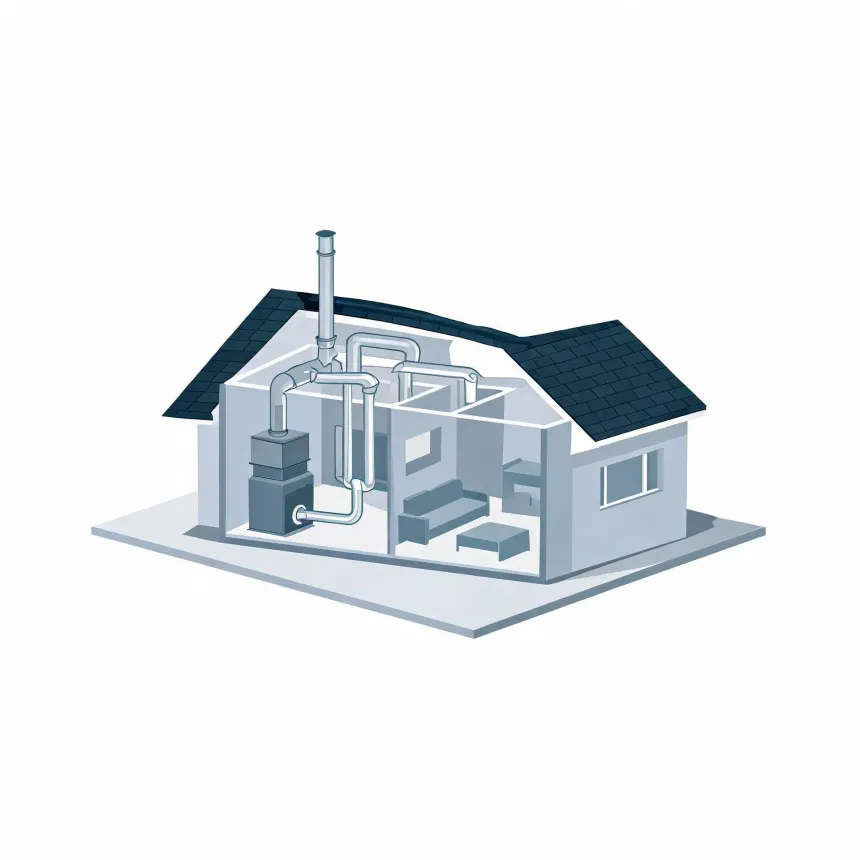
Isometric illustration of a cutaway single-story house showing a gray furnace unit, connected ductwork, and a vertical flue extending above the dark shingled roof.
Your furnace works hardest from November through March.

NOAA nClimDiv, 1991–2020 normals

Greene County had 105 damaging wind events between 2015 and 2024.

When the power goes out and comes back on, a furnace installed in Beavercreek should just start back up on its own.

Beavercreek gets a real winter, and a standard furnace is built to handle it

Heat runs October through May
Winter nights average 24°F
Climate zone 4A

Greene County sits in zone 4A. That's a mixed climate, and it means both the furnace and the AC get real work through the year. Any furnace going into a home in Beavercreek now has to hit at least 80.0 percent AFUE. That's the federal minimum for a non-weatherized gas furnace. That number holds for a few more years, then jumps in 2028 for furnaces built after that. A furnace bought today only has to meet today's minimum, nothing more. Go with a more efficient furnace anyway and there may be a federal tax credit on top of that, regardless of what the code calls for.

A standard furnace is the right call here

Beavercreek gets eight months of heat a year, with nights dropping to 24 degrees. That's normal work for a standard furnace. No reason to size up or pay for a higher tier here. Get it sized right and installed before the cold settles in.

Find a contractor
A gray high-efficiency gas furnace installed in an unfinished basement, surrounded by gas lines, a condensate drain, and sheet-metal ductwork.

Eight months of work, starting in October

Furnaces around here run about eight months a year, October through May. September is the last quiet month before it has to work. Get the install done then, and there's time to run it, check the airflow, and fix anything wrong before a cold night shows up. Wait until October, and that same work happens while the heat is already needed.

AFUE tells you what burns and what escapes

The AFUE number on the label tells you how much gas turns into heat in the house over a year. The rest goes out the flue, unused. A higher number means less fuel wasted for the same heat. It doesn't say how warm the house gets or how fast.

The higher rating changes what the installer has to run

A high-efficiency furnace condenses the exhaust and vents it through PVC pipe instead of a metal flue. That pipe needs a path to the outside wall, plus a drain for the condensate. A standard-efficiency furnace just vents through the existing metal flue, no extra work needed. That difference affects where the furnace can go and what has to get added, not just which unit shows up at the house.

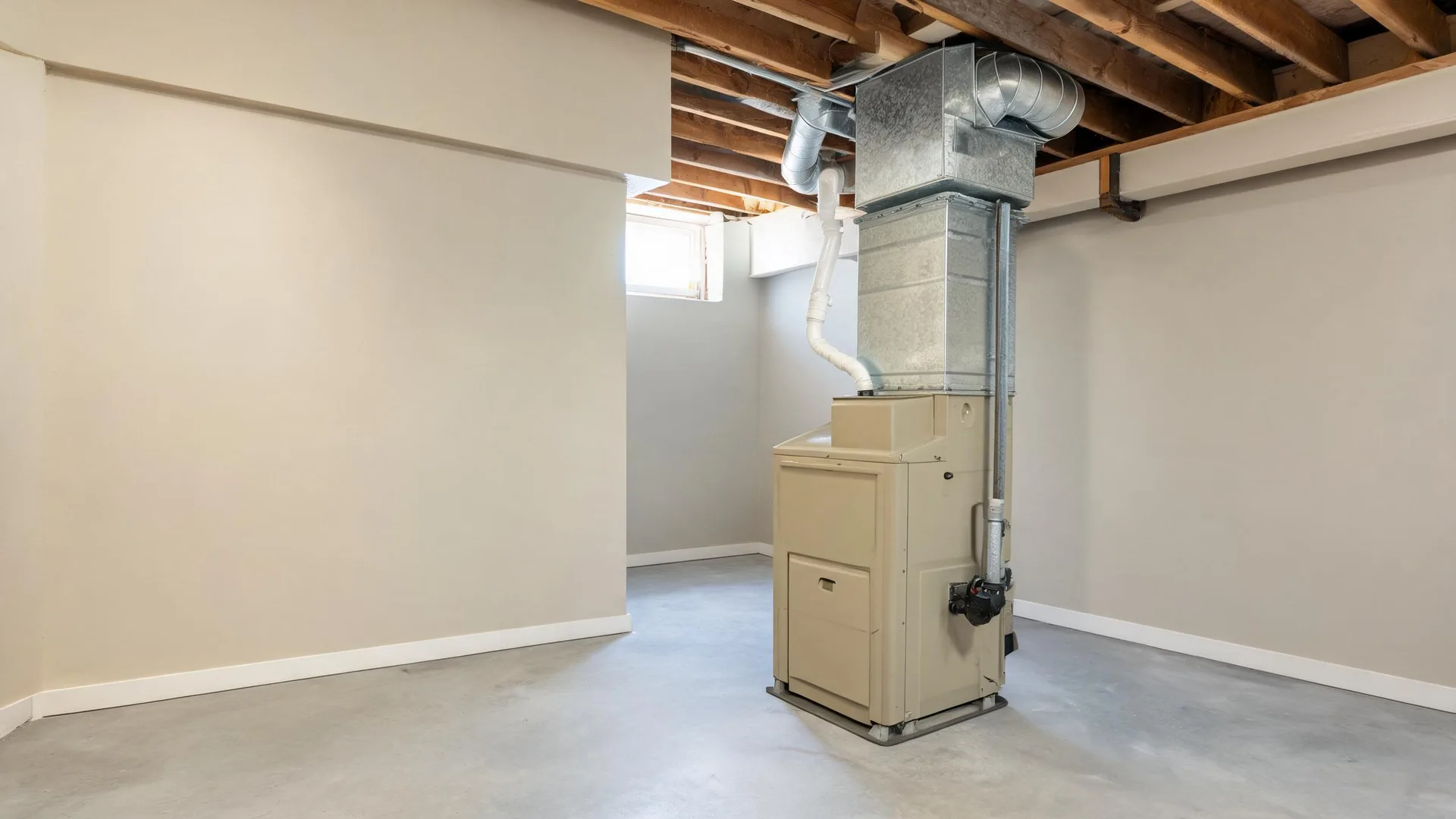
A gas furnace and sheet-metal air handler unit installed in an unfinished concrete basement.

A high-efficiency gas furnace would save about $130 a year to run in Greene County compared with a gas furnace.

  • A high-efficiency gas furnace$620 a year
  • A gas furnace$750 a year

Estimates for a typical Greene County home, from EIA household energy data, Ohio fuel prices and NOAA climate normals. Your home will differ.

The old furnace comes out first, and the installer checks the plenum, the gas line and the flue before anything new goes in, because those have to match the new unit. Setting the furnace is quick. The wiring, the gas connection and the duct transitions take the real time. If the furnace vents through a metal flue, the installer confirms the flue still drafts properly once the new unit is connected, since a different furnace can change how the exhaust moves through it. Once it's running, the installer checks the temperature rise against the furnace's rating and adjusts the gas pressure or airflow until it falls in range. That last check is what tells you the furnace is actually set up right, not just installed.