A row of dark-clad gabled houses with gray shingle roofs behind trimmed green hedges, mown lawn, and leafy trees under an overcast sky.

Furnace Installation in New Philadelphia, OH

Tell us about the job

Takes about a minute. No obligation.

New system or replacementFurnace or heatingTuscarawas County, OH
Step 1 of 2

What ZIP code is the job in?

Storms come through often here

Tuscarawas County recorded 172 severe weather events between 2015 and 2024, including 124 damaging wind events and 38 hail events. Two tornadoes touched down in that same stretch, and winter storms hit 8 times. A furnace install here means planning for weather that actually shows up on record.

Power doesn't always hold through it

18% of Ohio households went at least 24 hours without power in 2024. A furnace needs electricity to run even when the fuel is gas, so the blower and controls stop working the moment the power does. That's worth factoring into how this system gets installed.

8 months
October through May, your furnace is on duty
22°F
the average winter night it heats against
64%
of homes here heat with gas, so most furnaces here burn gas
80% AFUE
the federal minimum any new unit must meet
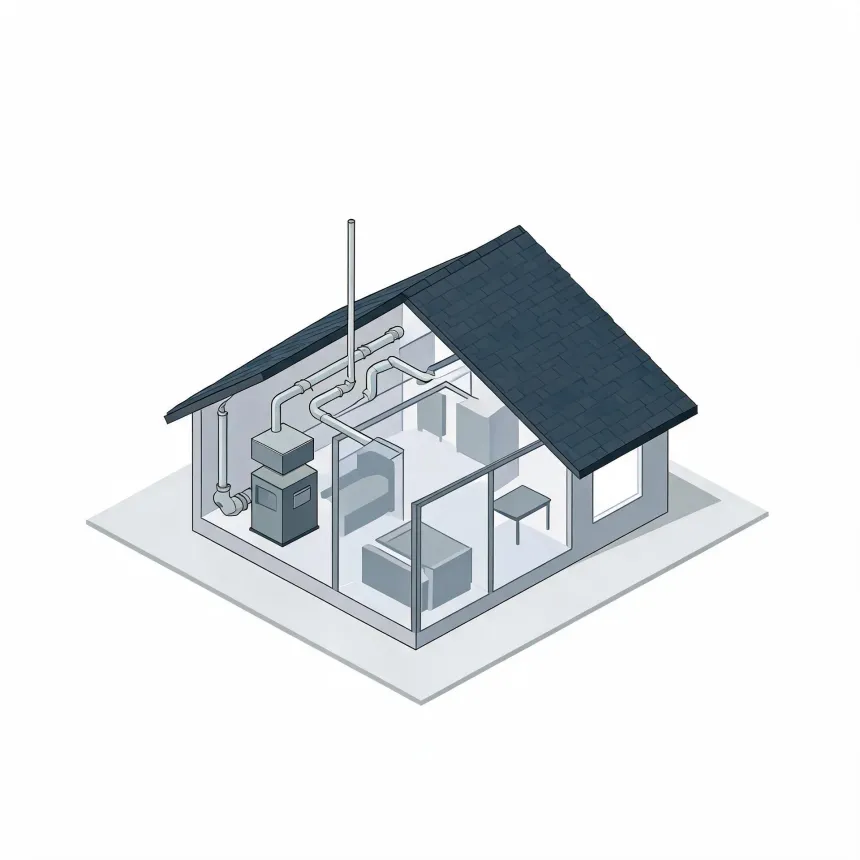
Isometric cutaway illustration of a small house with a dark shingled roof, showing an interior furnace unit, ductwork, and a flue pipe extending through the roof.
Your furnace works hardest from November through March.

NOAA nClimDiv, 1991–2020 normals

Half the homes in Tuscarawas County were built in 1971 or earlier.

A furnace going into a house that old has to match the ductwork and venting already there, not just the floor space.

Eight months of heat on a system installed before it has to carry them

Heat runs October through May
Winter nights average 22°F
Climate zone 5A

Gas heats 63.7% of the homes in Tuscarawas County, more than every other fuel combined. Electricity comes in second at 22.6%, with propane and fuel oil making up the rest. That gas majority is why most furnace replacements here are straightforward: the gas line is already run, the vent is already in place, and the new unit goes in using what the house was built with. A homeowner on electric heat or propane faces more decisions about what to switch to and what that means for the home's wiring or tank. For most people here, the question isn't which fuel, it's which gas furnace, and how it handles the venting and ductwork already in the house.

Plan this install around the power going out

A new furnace still needs electricity to run, so an outage takes down the blower and controls even with gas in the line. Talk through backup power and where the outdoor equipment sits before the install goes in, not after a storm already took it down.

Find a contractor
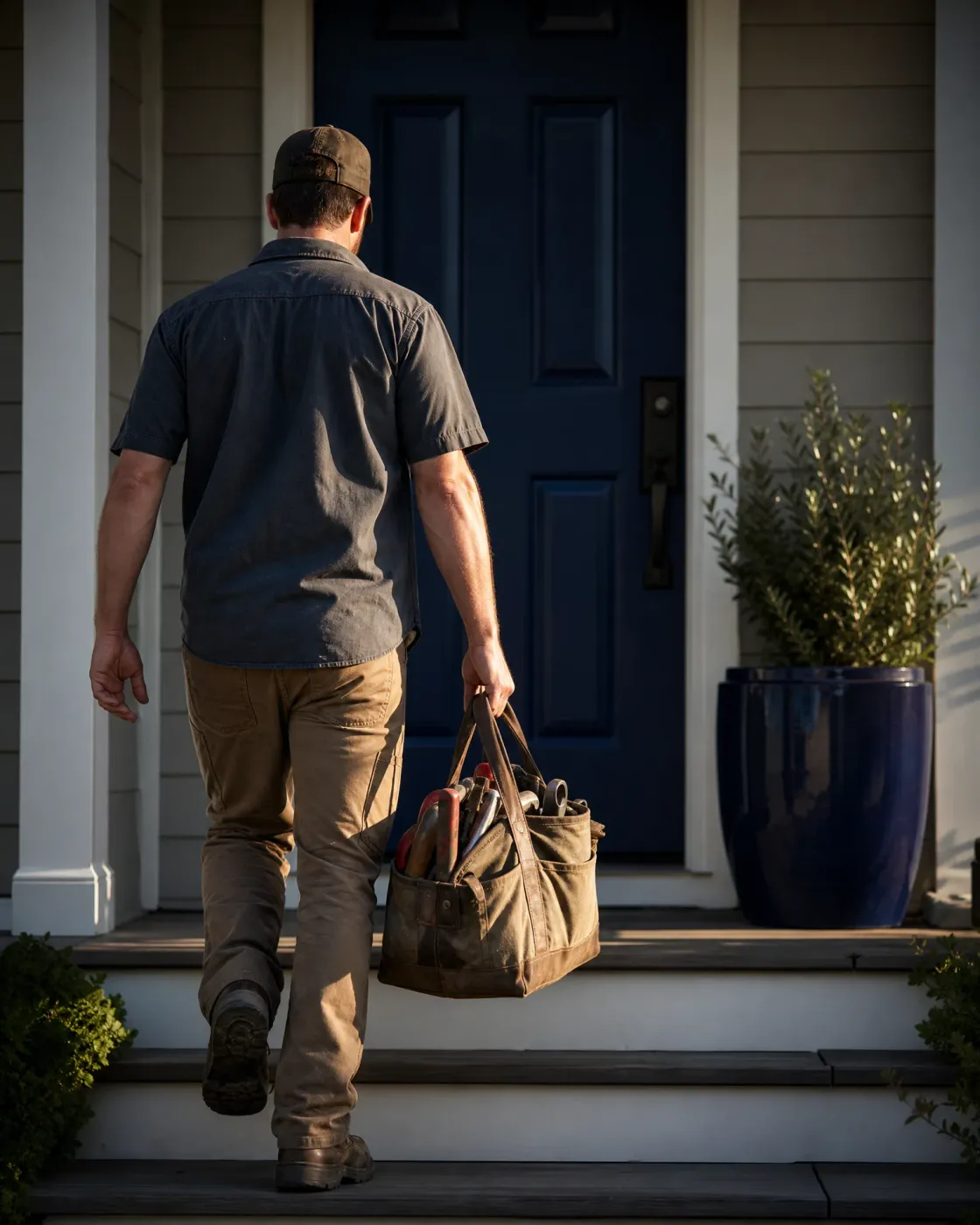
A man in a dark shirt, tan pants and cap walks up porch steps toward a navy blue front door, carrying a canvas tool bag filled with hand tools, beside a potted shrub in a blue planter.
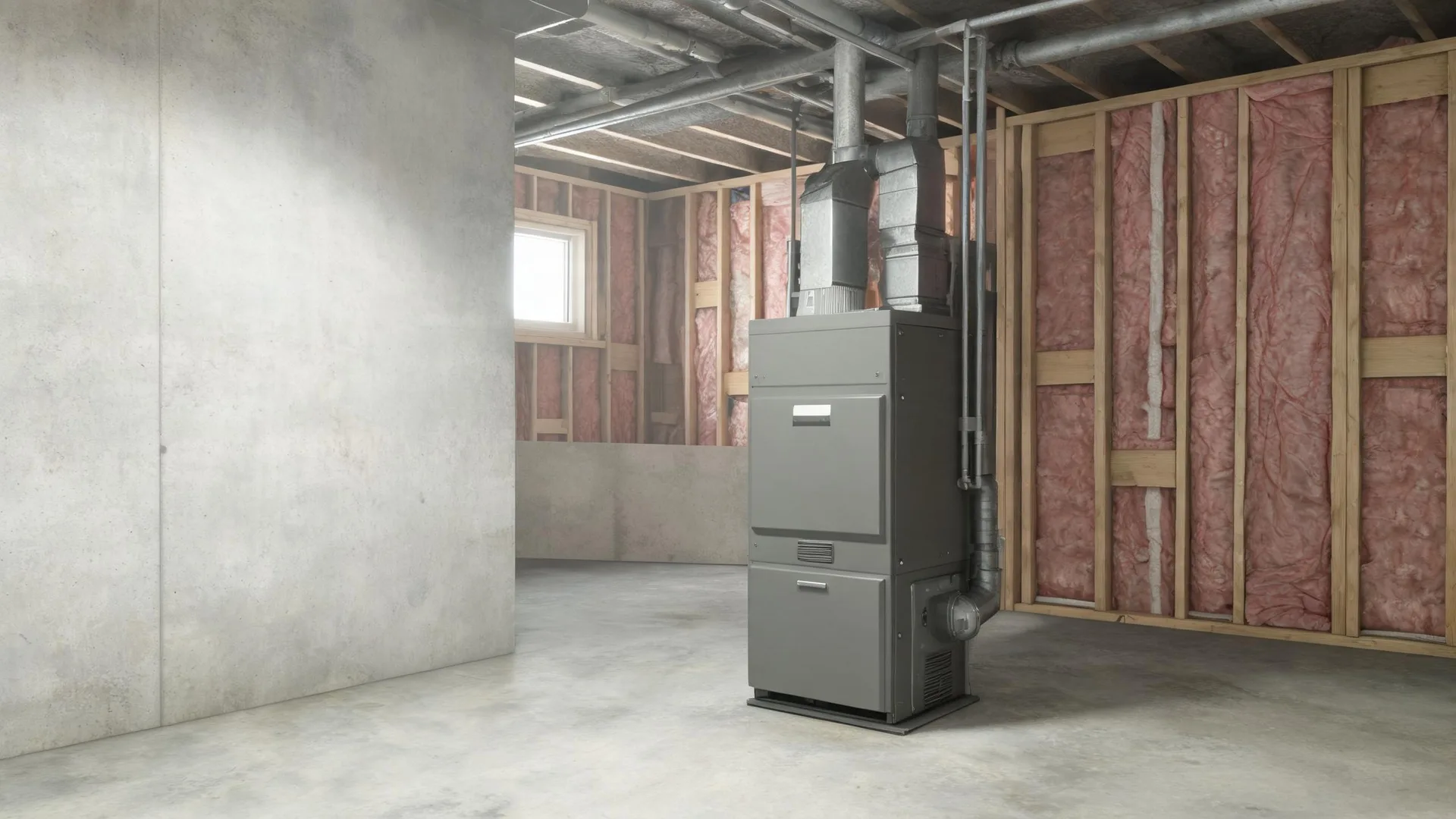
A gray gas furnace with attached ductwork and piping installed in an unfinished concrete basement.

Installed to run on what this house already has

Before the new furnace shows up, someone should check the duct sizes and the vent run against the unit going in, not size it off a spec sheet alone. A house built decades ago may have had work done since that changed what's behind the walls from what the original layout called for. Matching the furnace to the ductwork, the vent, and the gas line that are actually there is what makes the install hold up once it's running.

A furnace sized by square footage alone is a guess

The right size comes from a heat loss calculation that accounts for window area, insulation levels, ceiling height and how many exterior walls a room has. Two houses the same size can need different furnaces because one loses heat faster than the other.

Oversized and undersized both cause problems

A furnace too big for the house heats the space fast then shuts off, cycling on and off all day instead of running steady. That short cycling wears out the heat exchanger and the blower motor faster. A furnace too small runs constantly and still can't keep up on the coldest days. The right size runs long, steady cycles that heat the house evenly and hold up over the years.

An unfinished basement featuring concrete block walls, exposed floor joists, and a metal forced-air furnace with ductwork near a central pillar.

A high-efficiency gas furnace would save about $140 a year to run in Tuscarawas County compared with a gas furnace.

  • A high-efficiency gas furnace$660 a year
  • A gas furnace$800 a year

Estimates for a typical Tuscarawas County home, from EIA household energy data, Ohio fuel prices and NOAA climate normals. Your home will differ.

Installation starts with the old furnace coming out, along with the old venting if it doesn't match what the new unit needs. The gas line gets connected and pressure tested before anything else happens, because a leak caught then is a lot simpler than one caught after the drywall's back up. Ductwork gets tied in next, with new transitions built where the old trunk line doesn't line up with the new unit's dimensions. The vent pipe gets run according to what the furnace needs, not what the old one used, since clearances and materials differ between models. Once it's all connected, the furnace gets fired up and checked: flame sensor reading right, blower wheel spinning freely, temperature rise inside the range the furnace is built for. That last check matters more than it sounds. A furnace running too hot or too cool inside the plenum points to an airflow problem that needs fixing before anyone calls the job finished.