





A quiet suburban street at twilight featuring two-story brick homes with illuminated windows and large trees lining the sidewalk.

Furnace Installation in Marietta, OH

Tell us about the job

Takes about a minute. No obligation.

New system or replacementFurnace or heatingWashington County, OH
Step 1 of 2

What ZIP code is the job in?

In Washington County, 68 percent of homes heat with utility gas. Electric heat comes in at 21.5 percent. LP gas makes up a small share on top of that. If the furnace running now is gas, putting in another gas furnace keeps the house doing what it already does. That's usually the simplest path when it's time to replace what's there.

8 months
October through May, your furnace is on duty
25°F
the average winter night it heats against
68%
of homes here heat with gas, so most furnaces here burn gas
80% AFUE
the federal minimum any new unit must meet
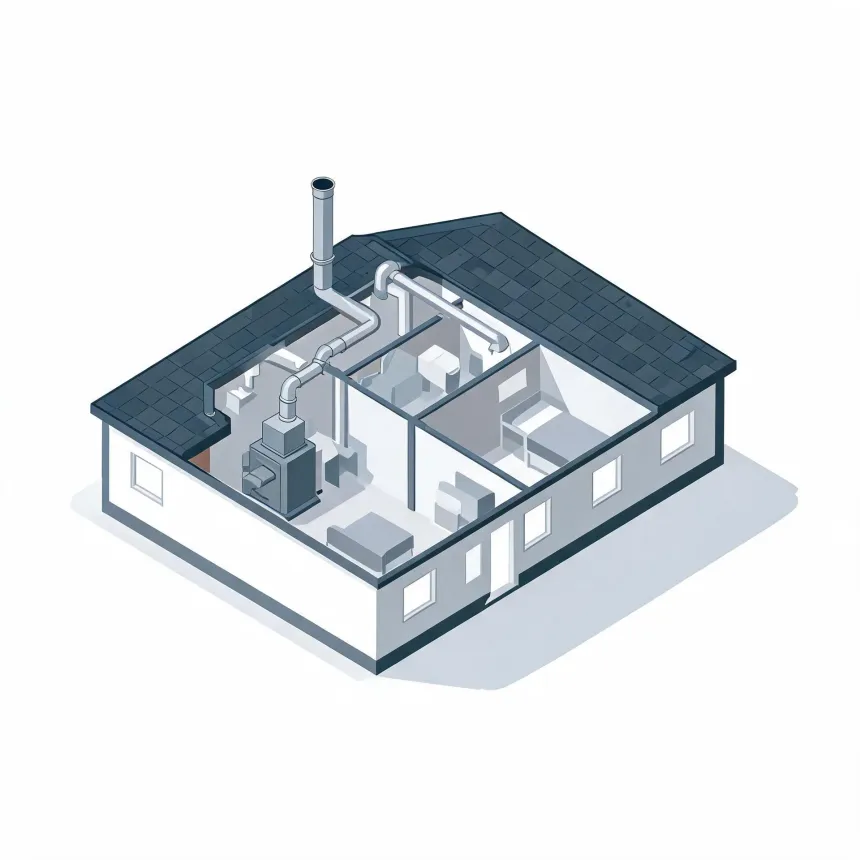
Isometric cutaway illustration of a single-story house with a dark shingled roof, showing interior rooms with furniture and a furnace connected to ductwork and a flue pipe extending above the roof.
Your furnace works hardest from November through March.

NOAA nClimDiv, 1991–2020 normals

The AFUE number on the furnace shows how much of the gas turns into heat for the house. The rest goes out the flue.

A higher AFUE means less gas wasted to keep the house warm. That means lower bills over the life of the furnace.

Eight months of heat and nights that drop to 25 degrees, nothing a standard furnace can't handle

Heat runs October through May
Winter nights average 25°F
15 winter storms from 2015 to 2024

The furnace itself is only part of the cost. Ductwork is the other side of it. If the return or supply plenum has to be reworked to fit the new cabinet, or the ducts are too small to move enough air across a bigger heat exchanger, that's extra labor and material. Venting matters too. A furnace that vents through plastic pipe out a side wall needs that pipe run and sealed. That costs more than hooking into a metal flue that's already there. Electrical can factor in as well, if the new furnace draws more power and the circuit needs upgrading. None of this shows up on the sticker price of the furnace. It shows up on the invoice.

Go with the standard fit

A standard size and efficiency fit fine here. There's no local reason to go bigger or pricier.

Find a contractor
A man in a cap, gray long-sleeved shirt and brown work pants walks up concrete steps toward a dark blue front door, carrying a worn canvas tool bag beside a potted shrub.
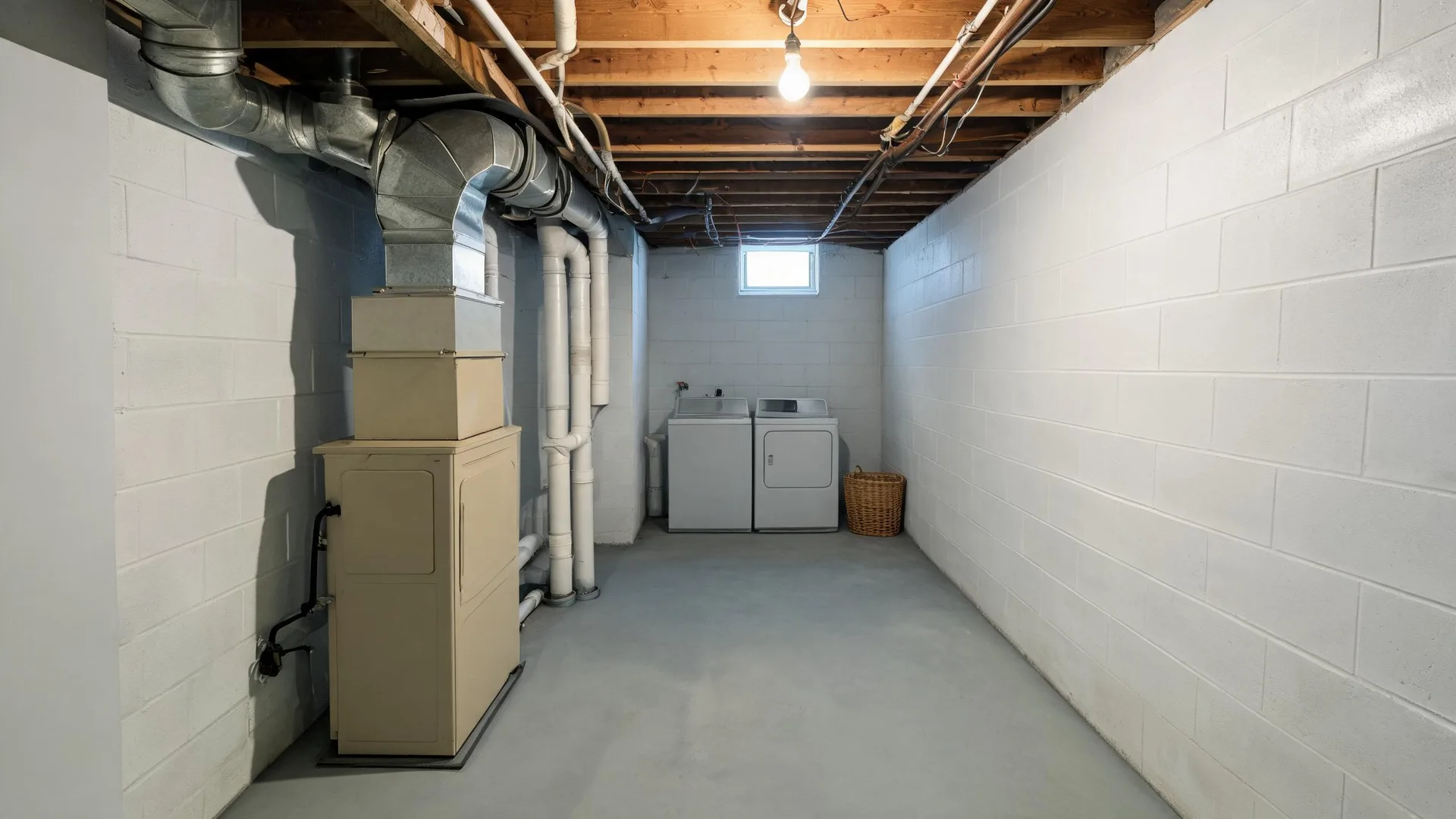
A gas furnace with attached ductwork, gas piping, and condensate lines installed in a concrete-block basement.

Put it in before October and it's already proven by the time you need it

This furnace runs eight months a year, October through May. September is what's left before that starts. Get it put in now and it gets tested on its own time, not on the first cold morning when the house needs heat right away. Whoever installs it can run it, check the airflow, and fix whatever needs fixing, without the house going cold while that happens.

Ask for a load calculation, not a guess off the old furnace

A new furnace should be sized off the house, not the old unit. That means checking square footage, insulation, window area, ceiling height. Just matching the nameplate of the furnace coming out carries forward whatever sizing mistake was already there.

Ask what happens to the venting

A higher-efficiency furnace vents differently than a standard one. Often it's plastic pipe out a side wall instead of a metal flue going up. When comparing efficiency levels, ask what venting change each one needs and where the new pipe runs. That's part of the job, not an extra.

An unfinished basement containing a gray HVAC furnace with ductwork, exposed wooden joists, a concrete floor, and miscellaneous clutter in one corner.

A high-efficiency gas furnace would save about $130 a year to run in Washington County compared with a gas furnace.

  • A high-efficiency gas furnace$580 a year
  • A gas furnace$710 a year

Estimates for a typical Washington County home, from EIA household energy data, Ohio fuel prices and NOAA climate normals. Your home will differ.

Installation day starts with the old furnace coming out. That takes a couple hours on its own once the gas line, the venting and the ductwork are disconnected. The new furnace gets set in place and then the gas line, venting, supply plenum, return plenum and electrical all get rebuilt one at a time. Once it's hooked up, the contractor fires it and checks the gas pressure, the temperature rise across the heat exchanger and the airflow at the registers. A combustion analyzer gets run on the flue gases to confirm it's burning clean before anyone calls the job done. Expect to be without heat for part of the day, while the old unit is out and the new one isn't fully connected yet.