




An unfinished basement containing a forced-air furnace with metal ductwork, exposed wooden ceiling joists, a hanging Edison bulb, and bare concrete floors.

Furnace Installation in Lima, OH

Tell us about the job

Takes about a minute. No obligation.

New system or replacementFurnace or heatingAllen County, OH
Step 1 of 2

What ZIP code is the job in?

Ask what size furnace is being proposed and how that number was figured out. It should come from a load calculation on the house, not a quick match to the old unit. Ask about the AFUE rating. Ask if it's single-stage or modulating, because that changes how evenly it heats and how often it cycles on and off. Ask about the ductwork too. A new furnace pushing air through ducts that are too small or leaky won't perform the way the brochure says. Get the warranty in writing, parts and labor both. Ask who pulls the permit and who schedules the final inspection. If bids on the same furnace come in far apart, the difference is usually in the ductwork, the venting, or the labor behind it.

8 months
October through May, your furnace is on duty
22°F
the average winter night it heats against
64%
of homes here heat with gas, so most furnaces here burn gas
80% AFUE
the federal minimum any new unit must meet
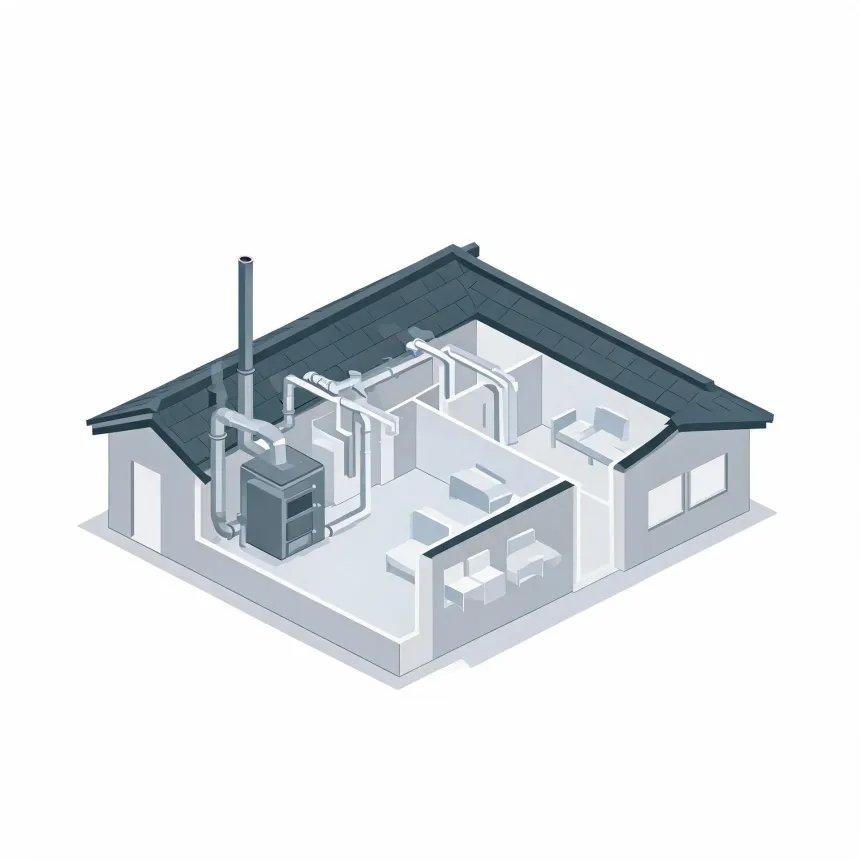
Isometric cutaway illustration of a single-story house showing interior rooms with a dark furnace unit, connected ductwork, a vertical flue pipe through the roof, and simple furniture, on a white background.
Your furnace works hardest from November through March.

NOAA nClimDiv, 1991–2020 normals

Half the homes in Allen County were built in 1966 or earlier.

A house that old needs a load calculation to size the new furnace right. Don't just match it to whatever's coming out.

Eight months of heat start in October, with September still open

Heat runs October through May
Climate zone 5A
Winter nights average 22°F

Allen County is in climate zone 5A. That's a cool zone, so the furnace does more of the work than the air conditioner. Any furnace put in now has to hit at least 80 percent AFUE. That's the federal minimum for a gas furnace. In a few years that minimum jumps to 95 percent. So an 80 percent furnace is still legal to install today, but not for much longer. If the choice is between a cheaper 80 percent unit and a higher-efficiency one, ask a contractor about that coming change before deciding.

Get a furnace sized and quoted for your house

A standard-efficiency furnace does the job all winter in Allen County, as long as it's sized to a proper load calculation, not a guess. Gas cost $12.89 per million Btu across Ohio last year. What you pay to heat the house comes down to how well the furnace and ducts fit the house. It has nothing to do with buying a bigger unit.

Find a contractor
A gas furnace with attached ductwork, gas piping, and condensate lines installed in a concrete-block basement.

Eight months a year, year after year

Heat runs eight months a year here. That's a lot of on-and-off cycles over a furnace's life. Nights average 22°F in December, January and February, so the burner is near full output a good part of that stretch. None of that calls for anything special. A standard furnace, built to the federal minimum and sized right for the house, handles these hours fine. What wears a furnace down early is usually the wrong size, not the season.

The furnace itself is a small piece of the bid

A furnace leaves the factory priced the same for every contractor who sells it. What varies is the labor to set the flue or vent pipe correctly, the sheet metal work to tie it into your plenum, and whether the installer needs to modify ductwork to match the new unit's airflow. Contractors quoting the same model can land far apart once you account for what each one has to build around it.

Modulating furnaces cost more to install, not just to buy

A single-stage furnace runs full blast or not at all, and the wiring and controls behind that are simple. A modulating furnace adjusts its flame and blower speed in small steps, which calls for a more capable thermostat and more careful setup to get those steps working right. That added labor and control hardware shows up in the installed price, separate from the jump in the unit's sticker cost.

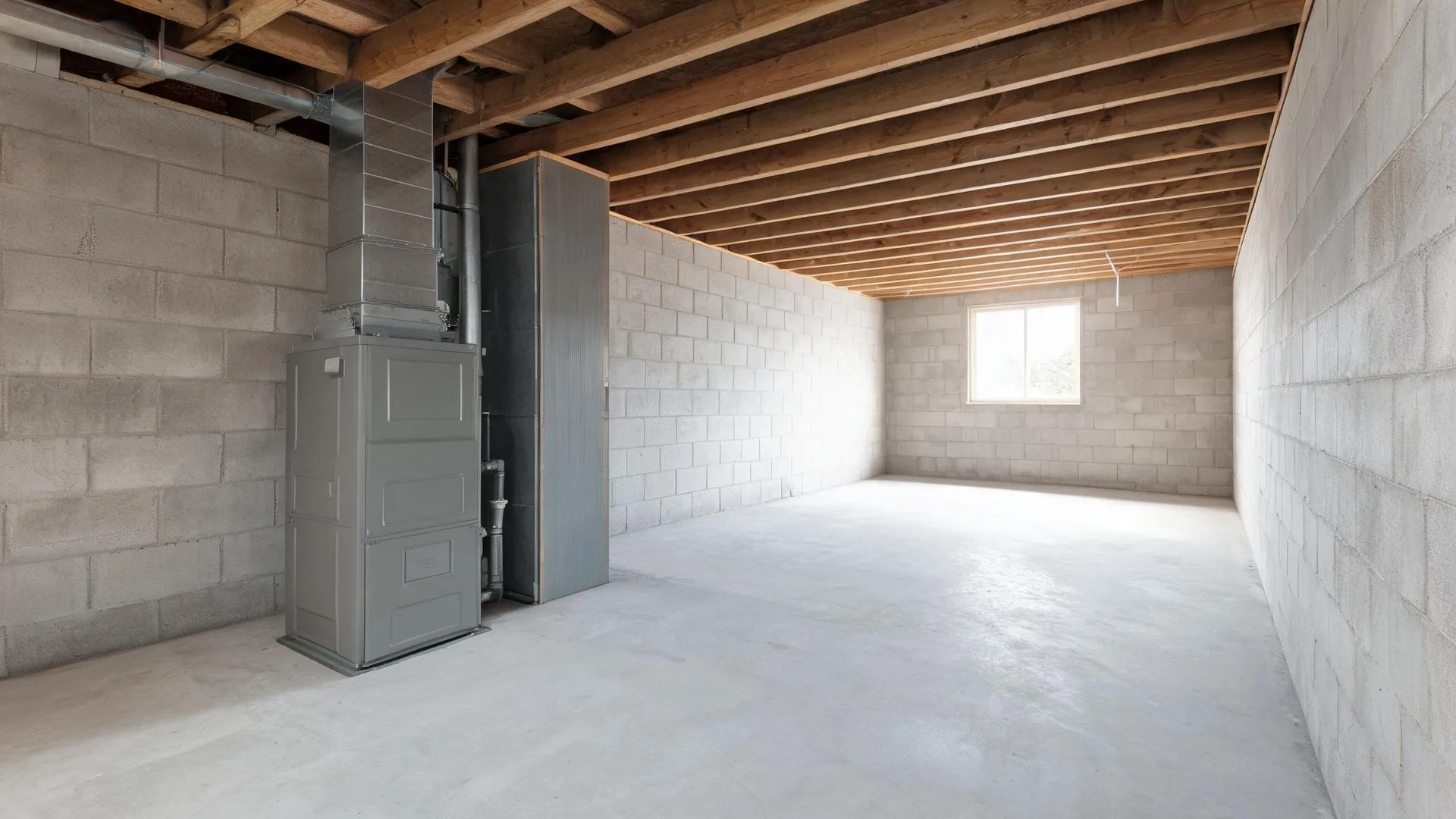
An unfinished concrete basement containing a metal HVAC air handler, exposed wooden ceiling joists with sheet-metal ducts, a hanging bare bulb, copper pipes, and stacked cardboard boxes.

A high-efficiency gas furnace would save about $140 a year to run in Allen County compared with a gas furnace.

  • A high-efficiency gas furnace$670 a year
  • A gas furnace$810 a year

Estimates for a typical Allen County home, from EIA household energy data, Ohio fuel prices and NOAA climate normals. Your home will differ.

Old furnace comes out first. Ductwork and venting get checked before the new one goes in. If it's switching to PVC intake and exhaust for a higher-efficiency unit, that pipe has to run to an approved spot outside. That's more work than just reusing an old metal flue. The new furnace gets set in place, tied into the plenum, and hooked to the gas line. Then the electrical and thermostat wiring gets run. Once it's all buttoned up, gas pressure gets checked, static pressure in the ducts gets checked, and temperature rise across the heat exchanger gets checked against what the manufacturer specifies. A combustion analyzer checks the flue gases directly. Not just how the flame looks. Before the crew leaves, the system runs a full cycle. Kicks on, runs, shuts off, the way it'll do all winter.