




A quiet suburban street at twilight featuring two-story brick homes with illuminated windows and large trees lining the sidewalk.

Furnace Installation in Wooster, OH

Tell us about the job

Takes about a minute. No obligation.

New system or replacementFurnace or heatingWayne County, OH
Step 1 of 2

What ZIP code is the job in?

A furnace sized the normal way for the square footage and insulation will heat a house in Wooster without trouble. Nothing about this area calls for going bigger or paying for more than the house needs. What matters more is what it costs to run. Ohio homes paid $12.89 per million Btu for natural gas in 2024. That price is the same whether the furnace behind it is standard or high efficiency. A unit that burns less gas for the same heat shows up on the bill every month it runs, not just on the coldest days.

8 months
October through May, your furnace is on duty
22°F
the average winter night it heats against
65%
of homes here heat with gas, so most furnaces here burn gas
80% AFUE
the federal minimum any new unit must meet
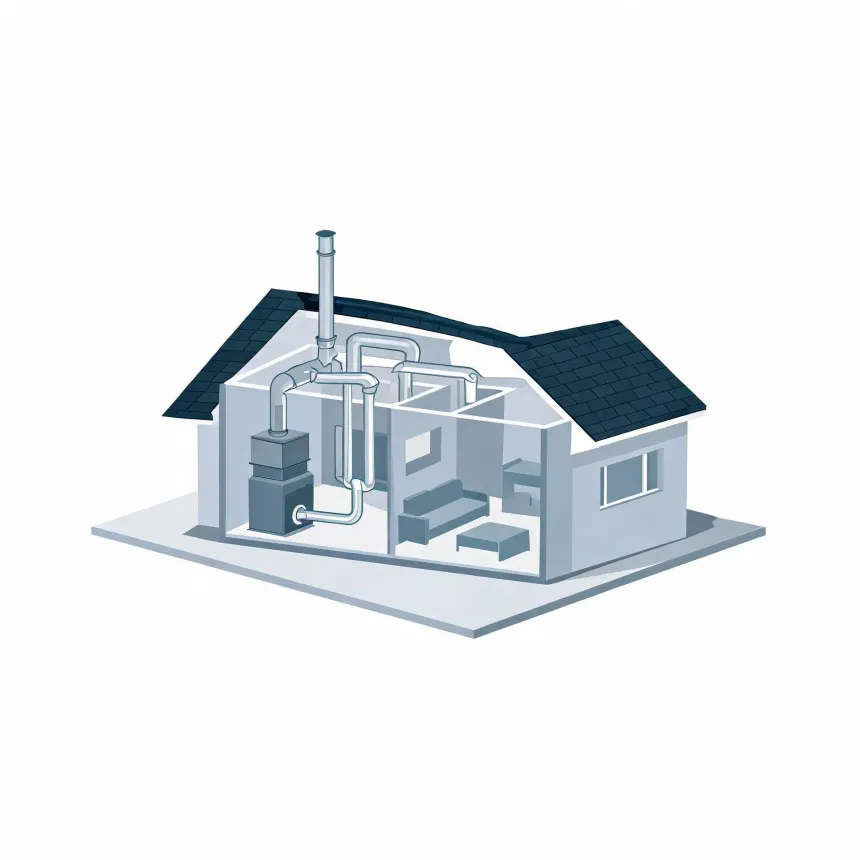
Isometric illustration of a cutaway single-story house showing a gray furnace unit, connected ductwork, and a vertical flue extending above the dark shingled roof.
Your furnace works hardest from November through March.

NOAA nClimDiv, 1991–2020 normals

Half the houses in Wayne County were built in 1975 or earlier, half in 1975 or later.

A furnace sized to the house works for either age, no upgrade needed either way.

Eight months of heat means a new furnace sits idle most of the year

Heat runs October through May
Winter nights average 22°F
Climate zone 5A

Wooster is in zone 5A, a cool climate under the current energy code. Any furnace installed here now has to hit at least 80 percent AFUE. That floor is going up. Starting late 2028, new furnaces have to hit 95 percent AFUE. So the standard-efficiency units sold today are running on a rule that's about to go away. A furnace already in the house doesn't have to meet that new number just because the calendar changes. There's a federal tax credit for qualifying high-efficiency equipment, worth weighing against whatever's being considered.

A furnace sized for your house, ready before the eight months start

Heat season here runs eight months. Overnight lows average 22°F in December, January and February. That's a long stretch to ask a furnace to work. The standard size and efficiency fits this house fine. What matters is getting it in before that season starts asking anything of it.

Find a contractor
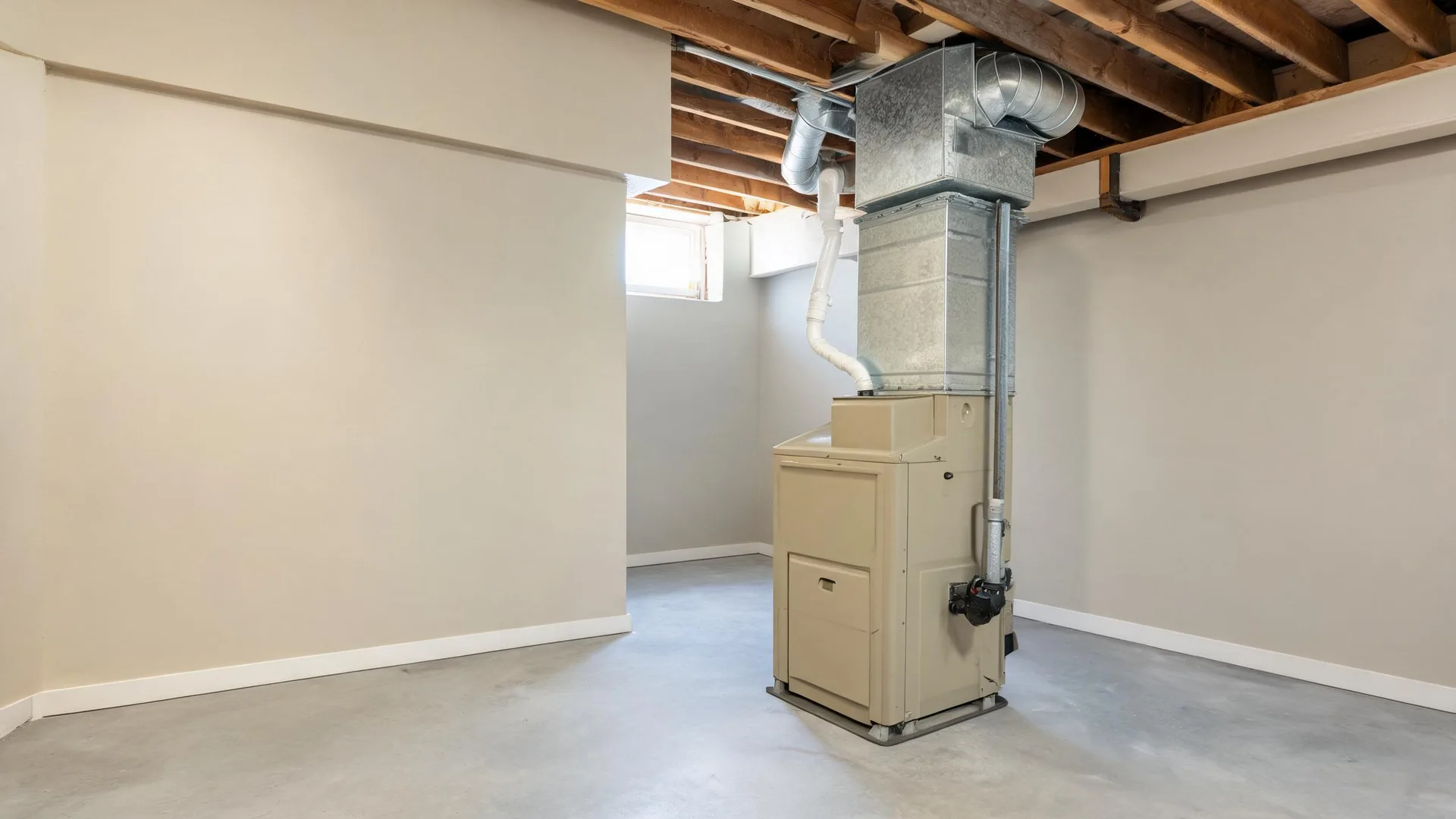
A gray residential gas furnace installed in an unfinished basement, connected to sheet-metal ductwork and PVC pipes.

The number on the label is a rate, not a guess, and it does not change with the weather

The AFUE number on the label says how much fuel turns into heat in the house, and how much goes straight out the flue. That ratio comes from the burner and heat exchanger inside, and it stays the same whether it's mild outside or brutal. The furnace doesn't know the difference. It just fires however many times it takes to hold the set temperature, and every cycle burns fuel at that same labeled rate. That number doesn't drift with age the way other parts do. A heat exchanger that's clean and intact burns at the same efficiency as the day it was installed. What changes over the years is upkeep. Skip service long enough and the furnace can pick up soot, or crack the exchanger. Once that happens, the unit isn't running at the number on the label anymore, even though the label itself never changes.

The furnace is one part of the quote

Venting, ductwork, and the gas line all factor into what the job costs. A furnace that vents straight out through the wall is a different job than one that needs a liner run up through a chimney. Ducts that are undersized or leaking need work before the new furnace can push air right, and that's labor on top of just setting the unit in place.

Efficiency tier changes what's involved

A high-efficiency furnace condenses exhaust gas into water, so it needs a condensate drain. A standard unit doesn't. It also vents with plastic pipe instead of metal, run differently than the old flue hooked to a chimney. Moving up a tier isn't just swapping one box for another. It can mean new venting, a drain line, and sometimes a new spot for the unit altogether.

A gas furnace and sheet-metal air handler unit installed in an unfinished concrete basement.

A high-efficiency gas furnace would save about $140 a year to run in Wayne County compared with a gas furnace.

  • A high-efficiency gas furnace$690 a year
  • A gas furnace$830 a year

Estimates for a typical Wayne County home, from EIA household energy data, Ohio fuel prices and NOAA climate normals. Your home will differ.

A full day of work covers more ground than most people expect. The old furnace comes out first, along with whatever venting and ductwork doesn't carry over to the new one. The gas line gets checked. The electrical connection gets checked. The new unit gets set and leveled before anything is hooked up. Venting goes in next, sized and routed for what the new furnace actually needs, not just hooked back up to what was there before. Once it's running, gas pressure gets checked. Temperature rise across the heat exchanger gets checked. The blower gets confirmed to be moving the right amount of air through the ducts. None of that shows up on the invoice. But it's the difference between a furnace that hits its rated efficiency and one that doesn't.