Eight months of work a year
A furnace in Trumbull County runs from October through May. That's most of the year asking the heat exchanger and blower to keep up, not just a few cold snaps.
Takes about a minute. No obligation.
A furnace in Trumbull County runs from October through May. That's most of the year asking the heat exchanger and blower to keep up, not just a few cold snaps.
A new furnace here needs to match this house and this many months of runtime, not just the lowest bid. The unit that's undersized or oversized will show it fast, with higher bills or short cycling before long.
NOAA nClimDiv, 1991–2020 normals
Half the homes in Trumbull County were built in 1964 or earlier.
A furnace going into a house that old has to be sized for that house, not for a newer one down the street.




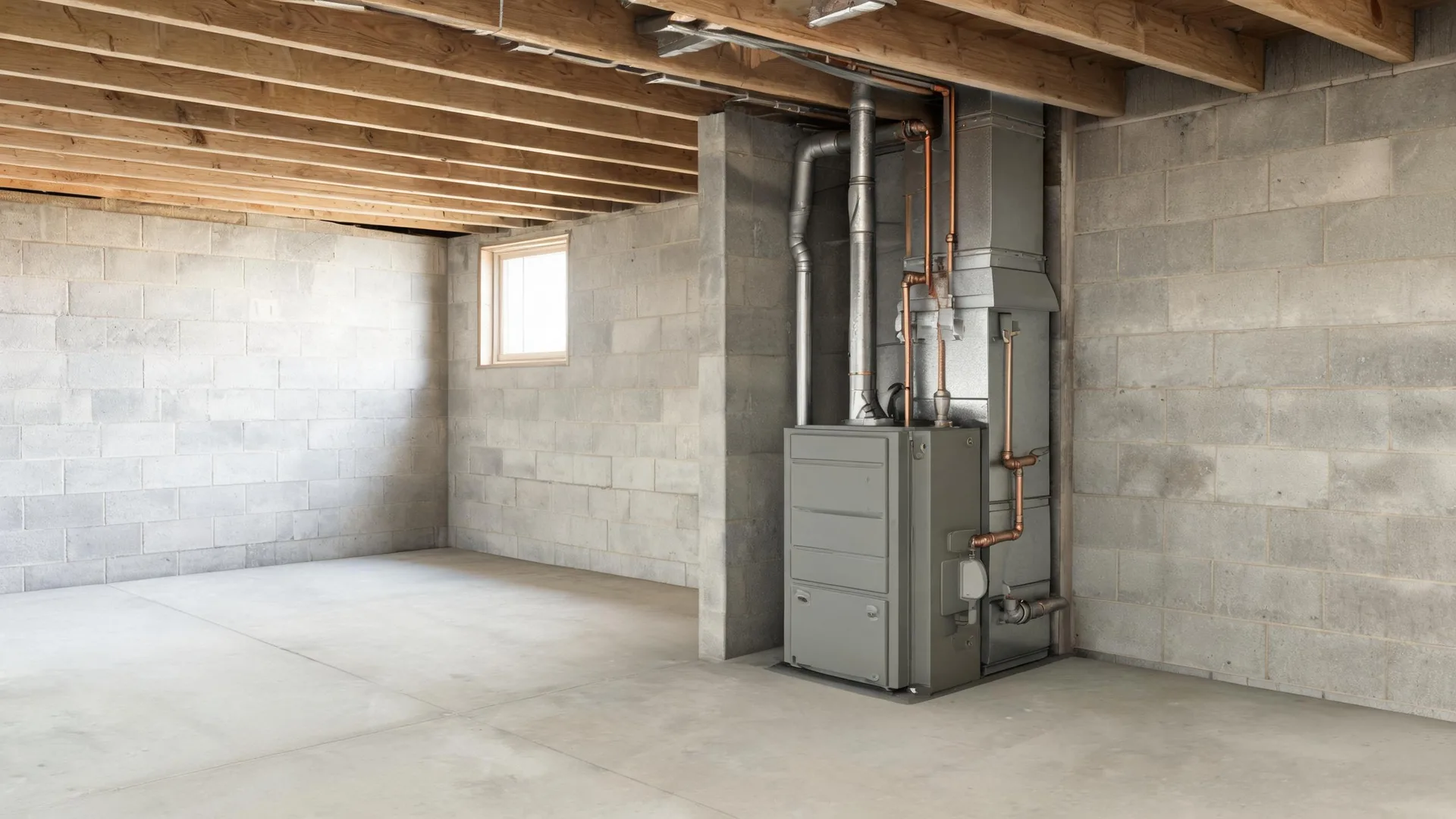
Gas heats close to eight out of ten homes in Trumbull County. If that's what your house already runs on, swapping in a new furnace on the same line is the straightforward job. The gas line, the vent, the spot in the basement or closet are already there. A switch to electric heat means new wiring and a different kind of install, with more to plan around. Most homeowners here replace what they have, because it already fits the house.
Eight months of heating a year is a lot to ask of one furnace. Get the size right for this house and this many months of runtime, and it will carry the load without straining. Get it wrong, and you'll pay for that every winter it's in the ground.
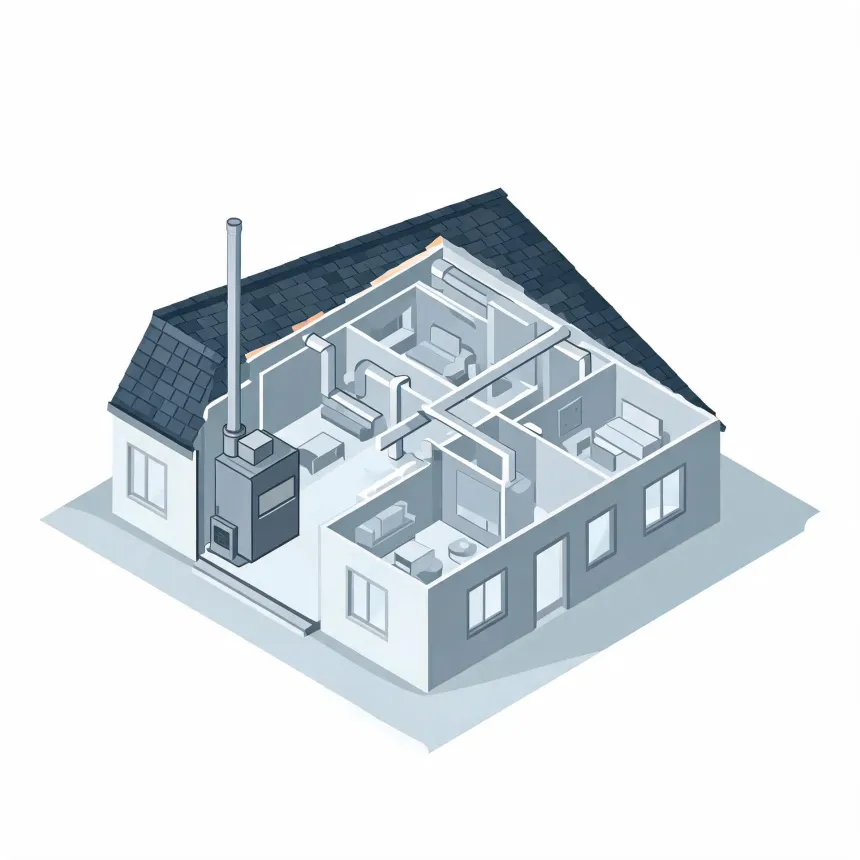
Find a contractorIf your house is one of the older ones here, built in 1964 or earlier, ask the contractor to size the furnace for that house, not for a standard floor plan. The ductwork and venting already in place were set up for whatever furnace came before, and the new one has to work with that, not against it. Get the size wrong and a long heating season will show it, with short cycling or rooms that never quite warm up.
A furnace is sized by the heat it can put out, matched against how fast the house loses heat on a cold day. That number comes from a load calculation, done room by room, that looks at square footage, ceiling height, window area, insulation and how the place is laid out. Guessing by the size of the old unit skips that work. If the old one was wrong, the new one ends up wrong too.
A furnace too big for the house heats the air fast, shuts off, and starts again a few minutes later. That short cycling wears on the igniter and the blower motor, and it leaves rooms farther from the furnace never quite warm. One too small runs long stretches without catching up, so it works harder for longer and still falls short on the coldest days. Either way the house ends up spending more to feel less comfortable.
Estimates for a typical Trumbull County home, from EIA household energy data, Ohio fuel prices and NOAA climate normals. Your home will differ.
Installation takes most of a day, sometimes longer if the ductwork or venting needs work. The old furnace comes out first, along with the old vent pipe if it's not sized right for the new unit. The contractor sets the new furnace, connects the gas line, the vent, and the return and supply ducts, then wires it to the thermostat. Once it's in, it gets fired up and checked: gas pressure, airflow across the heat exchanger, temperature rise, and the venting to make sure exhaust is actually leaving the house. A combustion analyzer checks the flue gases before the job is called done. Walk through at the end should cover the thermostat settings and where the filter goes, since that's the one thing the homeowner has to keep up with after everyone leaves.