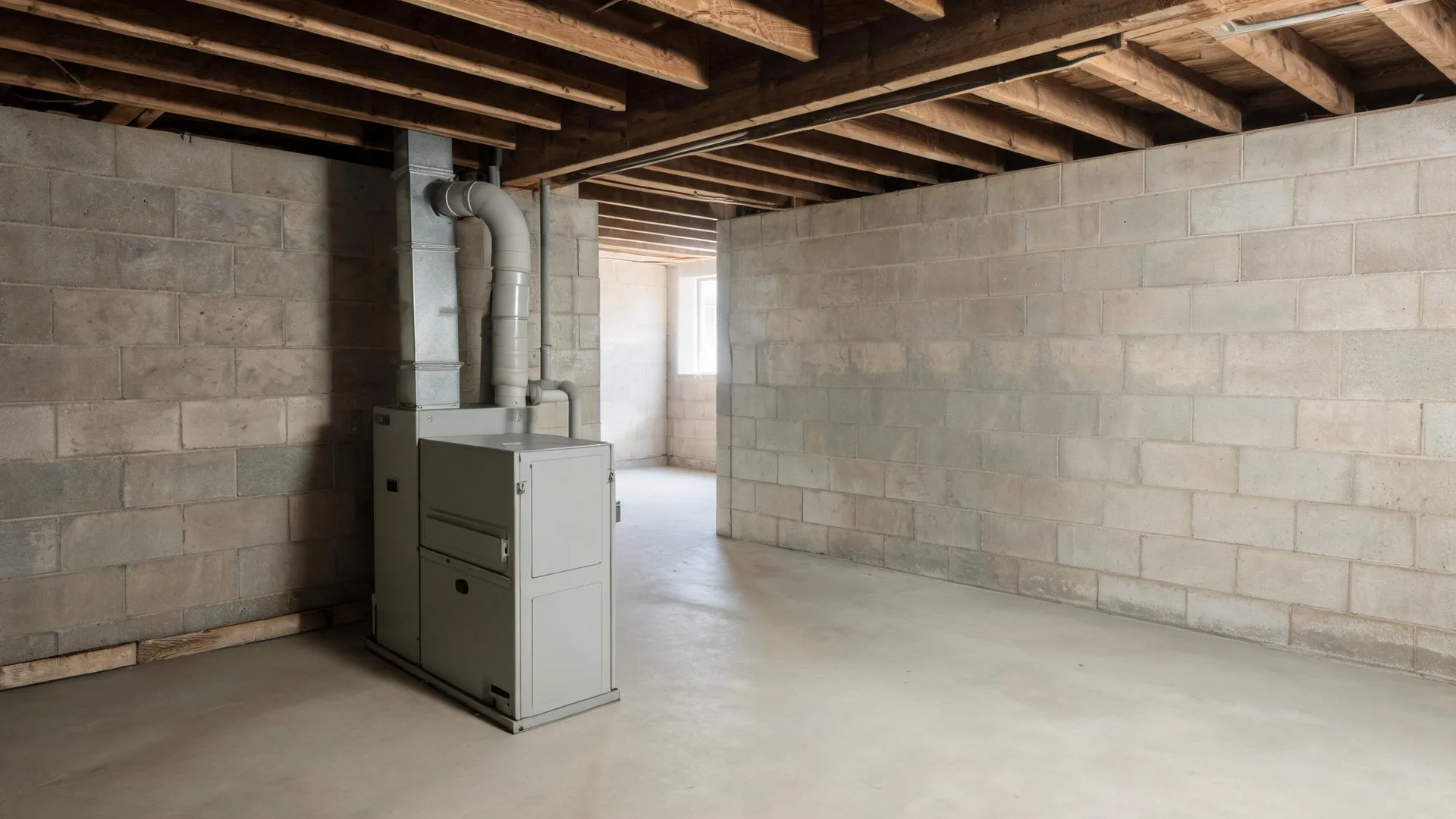
Half these homes were built in 1962 or earlier
Ashtabula County's housing stock is old. Half the homes here went up in 1962 or earlier, long before current furnace sizing and venting practices existed.
Takes about a minute. No obligation.
Ashtabula County's housing stock is old. Half the homes here went up in 1962 or earlier, long before current furnace sizing and venting practices existed.
A furnace installed decades ago was matched to standards and ductwork from that era. A new furnace has to be sized and vented for the house as it is now, not guessed at from what used to be there.
NOAA nClimDiv, 1991–2020 normals
Furnaces in Ashtabula County run from October through May.
Eight months of work a year means a new system here earns its keep fast.




Ashtabula County falls in climate zone 5A, a cool zone where heating carries most of the work. Any furnace installed here now has to meet the federal minimum for that climate: at least 80 percent of the gas it burns has to turn into heat over the winter. That floor rises to 95 percent for furnaces built on or after December 18, 2028, so a unit bought before that date still only has to clear 80. A contractor sizing a system for this county is working within that rule, not around it.
Twenty-six winter storms hit this county between 2015 and 2024. Every one of them puts a furnace through its paces right when it can least afford to quit. A system sized and installed right from the start holds up to that better than one picked on price alone.
Find a contractorThat calculation is worth asking the contractor about directly. A house standing since 1962 or earlier has likely seen windows, insulation or ductwork changed at least once since the furnace was last sized, and each of those changes shifts what the furnace needs to put out. Ask to see the load calculation, not just the number off the old unit's nameplate. A furnace sized right from that math runs steadier through an Ashtabula winter than one carried over by guesswork.
That rating tells you how much of the gas burned turns into heat instead of going out the flue. It says nothing about how evenly the house heats or how big the furnace should be. A high rating on an oversized or undersized unit still leaves rooms too hot or too cold.
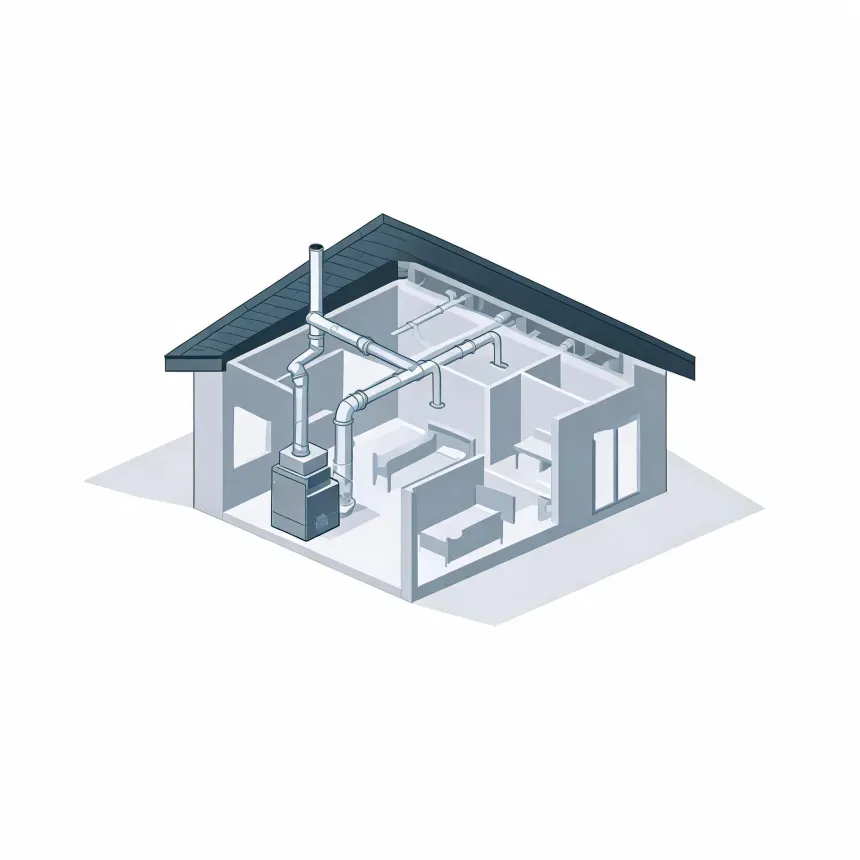
The higher the efficiency, the more likely the furnace vents through PVC pipe out a sidewall instead of up a chimney, and the more likely it needs a condensate drain to carry off the water that combustion produces. Installing one means planning for that venting and drainage, not just setting a bigger box where the old one stood.
Estimates for a typical Ashtabula County home, from EIA household energy data, Ohio fuel prices and NOAA climate normals. Your home will differ.
Installation day starts with the old furnace coming out, not the new one going in. The contractor disconnects the gas line, the electrical, the venting and the ductwork connections, then removes the unit from the house. With the space clear, they can check the plenum, the return, and the flue for anything that needs to change to fit the new system. Setting the new furnace means leveling it, connecting the ductwork, running new venting if the old path does not match what this unit needs, and wiring it to the thermostat and power. Once it is in place, the gas line gets connected and pressure tested before anything is lit. The last part of the day is startup and checks: firing the burners, checking the gas pressure, measuring the temperature rise across the furnace, and confirming the flue is drafting properly. A furnace that passes all of that is left running while the contractor walks through the thermostat settings and anything the homeowner needs to know about filters and airflow.