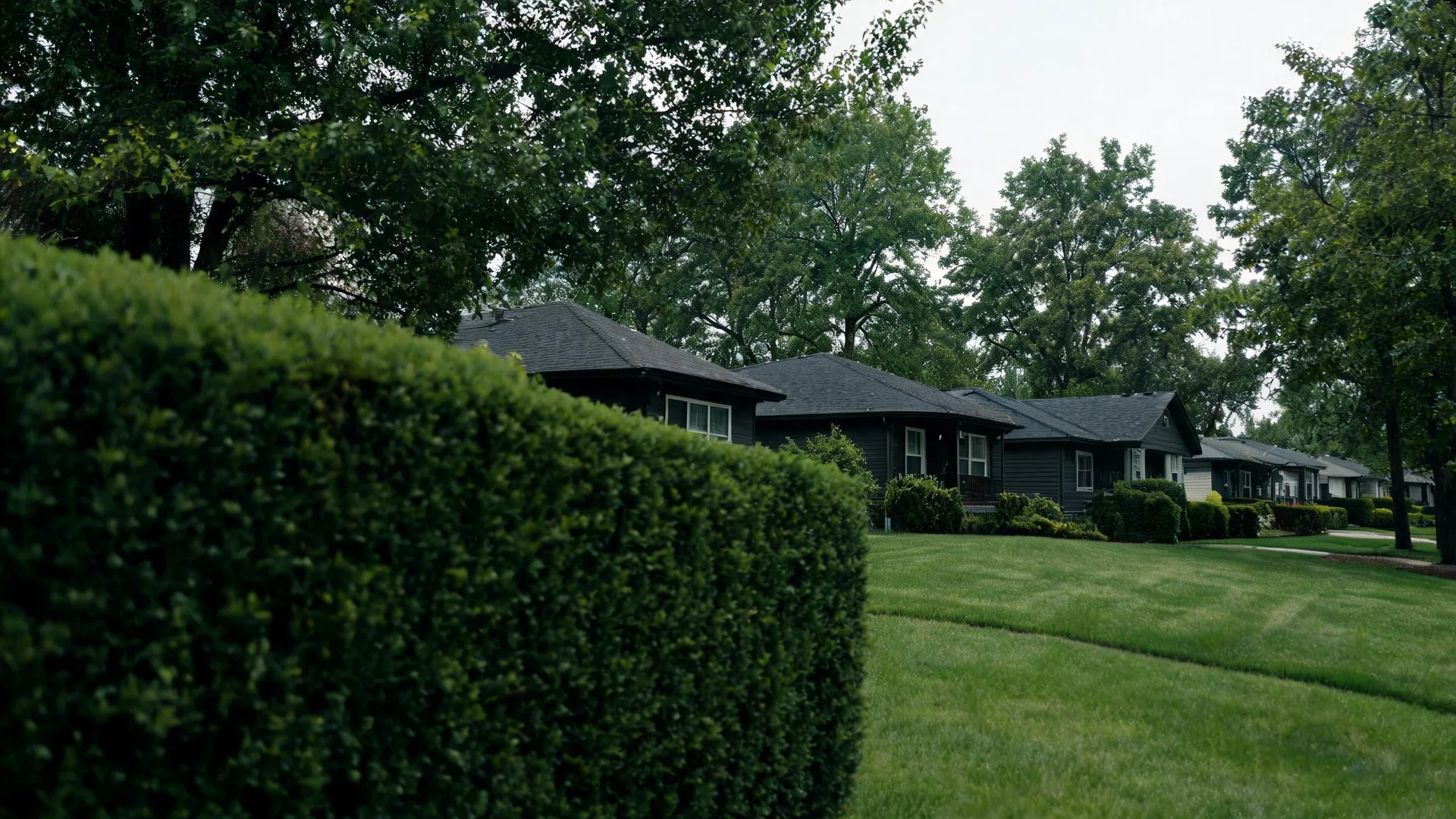




A tall trimmed hedge in the foreground borders a mown lawn beside a row of dark single-story houses with shingled roofs, surrounded by large leafy trees under an overcast sky.

Furnace Installation in Lorain, OH

Tell us about the job

Takes about a minute. No obligation.

New system or replacementFurnace or heatingLorain County, OH
Step 1 of 2

What ZIP code is the job in?

Most homes in Lorain County heat with gas, 76.6% of them. A new gas furnace fits into a house already set up for one, with a gas line run and a vent in place for it. Electricity heats 18% of homes here, and that furnace runs on a dedicated circuit instead, no gas line involved. Propane and fuel oil together account for a small share of homes in the county, and either one means a tank on the property and deliveries to keep it filled.

8 months
October through May, your furnace is on duty
23°F
the average winter night it heats against
77%
of homes here heat with gas, so most furnaces here burn gas
80% AFUE
the federal minimum any new unit must meet
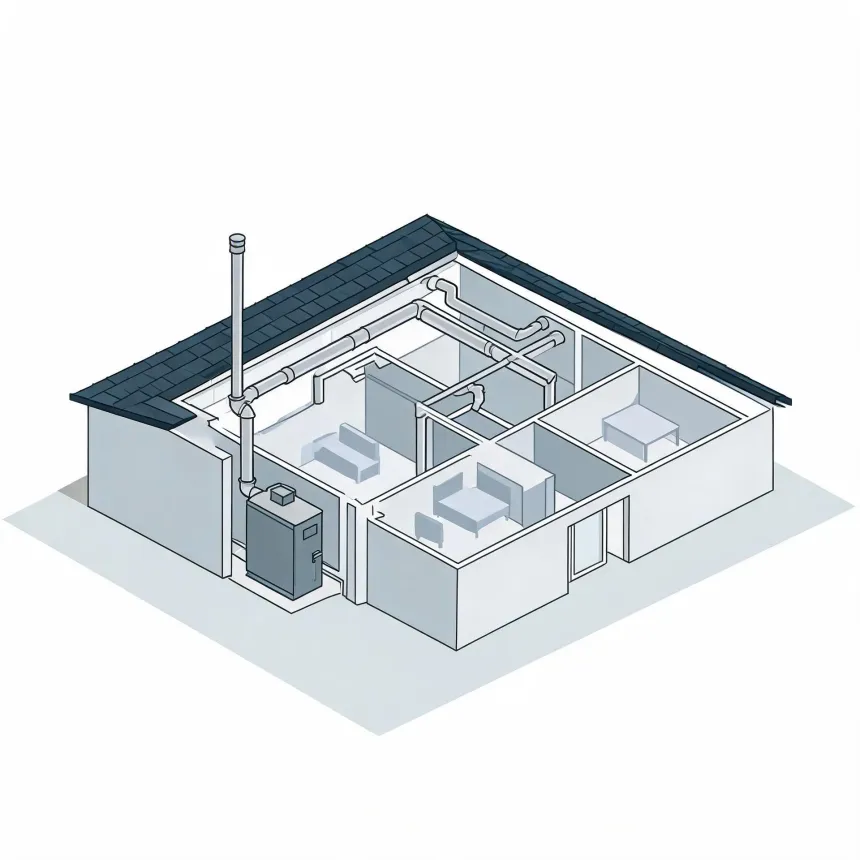
Isometric line illustration of a cutaway single-story house showing interior rooms with furniture, ceiling ductwork, and an exterior furnace unit with a tall flue pipe.
Your furnace works hardest from November through March.

NOAA nClimDiv, 1991–2020 normals

A furnace that's too big for the house kicks on, heats the air fast, and shuts off before the rooms ever even out.

The right size comes from a load calculation done on the house itself. Not a match to the old furnace, not a guess based on square footage.

Furnaces in Lorain run most of the year. Winter sees to that.

Climate zone 5A
Heat runs October through May
Winter nights average 23°F

Sizing a furnace in Lorain County doesn't call for going bigger than the house needs. Eight months of heat a year, with overnight lows averaging 23 degrees in the dead of winter, is real work for a furnace. But it's not unusual work. A standard efficiency furnace, sized right with a load calculation, handles a Lorain County winter the same way it handles a winter anywhere else in this climate zone. Paying more comes down to the same thing it does anywhere. A higher AFUE unit burns less gas and may qualify for a tax credit. No local reason to size up, and no local reason to spend more than that.

Your new furnace has to fit the house you have

Half the homes in Lorain County were built in 1973 or earlier. An older house has its own layout, and a new furnace has to work within that. It's not the other way around. A load calculation sizes the furnace to the house you actually have, not the one a catalog assumes.

Find a contractor
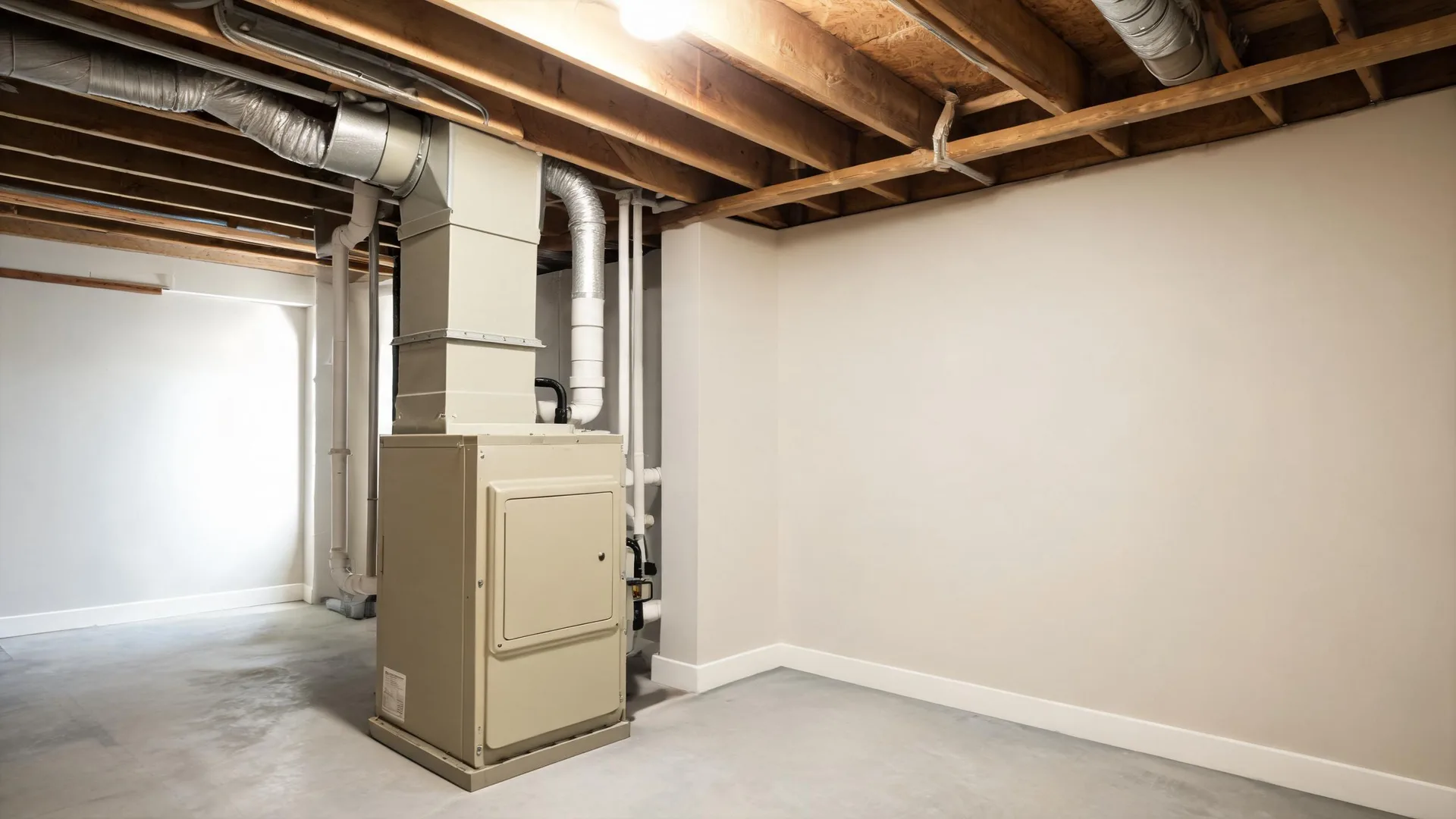
A gray high-efficiency gas furnace installed in an unfinished basement, surrounded by gas lines, a condensate drain, and sheet-metal ductwork.

Eight months of work a year, so the timing is worth choosing

Furnace season here runs eight months, October through May. That furnace is the only thing between the house and the cold most of the year, and it doesn't get much downtime. Put in a new one in September, before the first cold night, and there's time to test it and adjust it with nothing riding on it. Wait until the house is already cold, and the job happens on whatever schedule a failed furnace gives. That's not a schedule anyone would pick.

The old furnace gets disconnected, not just unplugged

The gas line gets capped. The vent connector comes off the flue. The return and supply plenums get cut loose from the ducts. If the furnace shares a flue with the water heater, that connection gets checked afterward. Pulling the furnace changes how the shared vent drafts, so it's worth a look.

The furnace itself leaves the property

A furnace is mostly sheet metal, copper, and a blower motor. Scrap yards take all of it. Whoever hauls it out has to get it off site and disposed of properly. No old equipment should be sitting in the basement or the yard once the new one is running.

An unfinished basement interior showing a gray furnace unit beneath a bare incandescent bulb, surrounded by exposed joists, concrete walls, cardboard boxes, and utility pipes.

A high-efficiency gas furnace would save about $140 a year to run in Lorain County compared with a gas furnace.

  • A high-efficiency gas furnace$680 a year
  • A gas furnace$820 a year

Estimates for a typical Lorain County home, from EIA household energy data, Ohio fuel prices and NOAA climate normals. Your home will differ.

The new furnace gets set in place and connected fresh. The gas line, the vent connector, and the ductwork all join to the new unit rather than carry over from the old one. Low voltage wiring runs from the furnace to the thermostat, and that thermostat may need to be swapped if it isn't compatible with the new control board. Once it's hooked up, the tech fires it and checks gas pressure, temperature rise across the heat exchanger, and amp draw on the blower motor. Those numbers say whether it's running the way it's supposed to. Airflow gets checked at the registers too, because a furnace that fires fine can still be starved for air if a duct run is off. The whole thing runs through a full heating cycle before the job is considered finished, not just a quick light-off.