Electricity here runs $46.85 per million Btu
Ohio homes paid that rate in 2024, and most houses in Chillicothe heat with electricity. A furnace that wastes heat is wasting the most expensive fuel there is.
Takes about a minute. No obligation.
Ohio homes paid that rate in 2024, and most houses in Chillicothe heat with electricity. A furnace that wastes heat is wasting the most expensive fuel there is.
With electric heat already priced high, how well a new furnace converts power into warm air sets your bill every month it runs. That's the number worth comparing between models.
NOAA nClimDiv, 1991–2020 normals
The old furnace doesn't get left in place once the new one goes in.
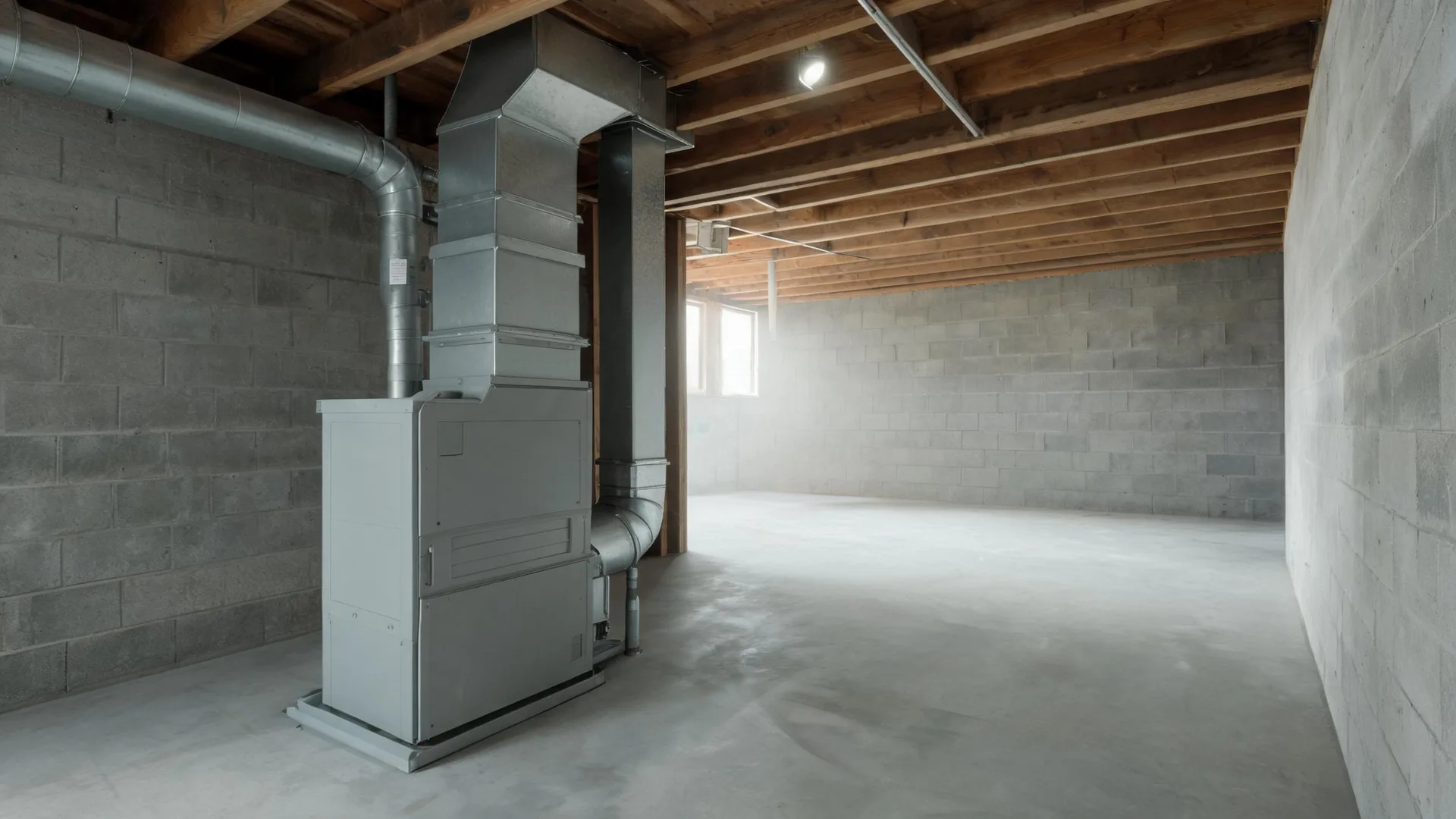
A tech disconnects the ductwork, the gas or power line, and the vent, then hauls the unit out before setting the new one in its spot.




Ross County sits in climate zone 4A under the 2021 energy code, a mixed climate that asks real work of a furnace both summer and winter. Any gas furnace installed here has to meet a federal minimum of 80 percent efficiency, turning at least 80 cents of every dollar of gas into heat. That floor holds for units manufactured before December 18, 2028. After that date, new furnaces have to hit 95 percent. The rule limits what a contractor can offer you, but it also sets a baseline: nothing going into a home here can waste more than a fifth of the fuel it burns.
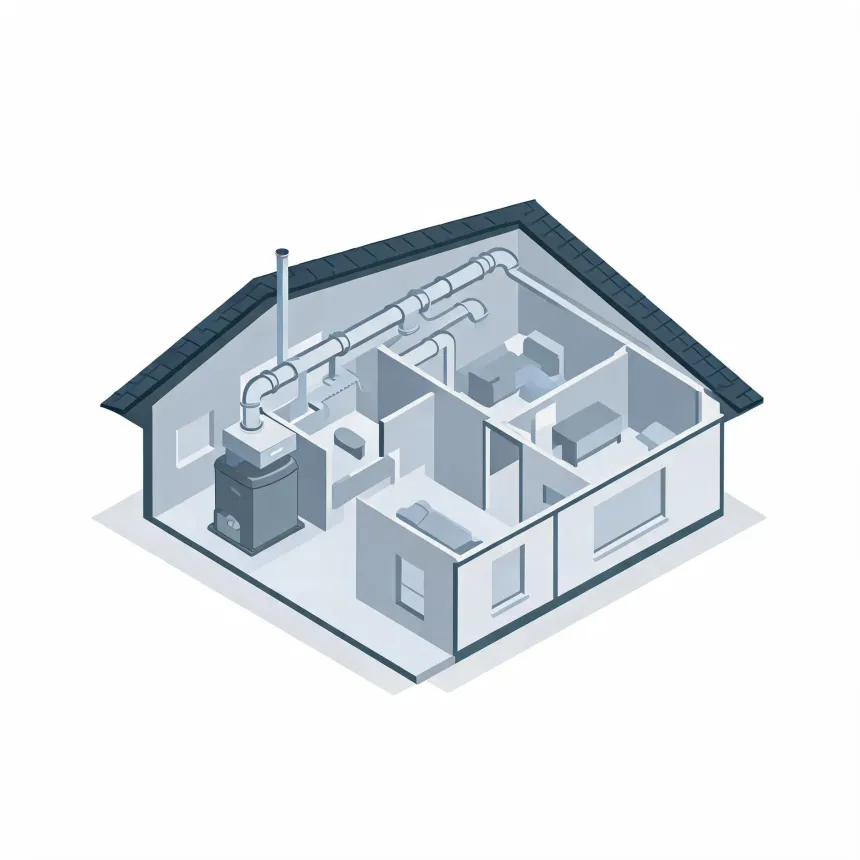
Electric furnaces don't have a combustion efficiency rating to compare, but they still vary in how much of that expensive electricity ends up as heat in the room instead of lost in the ducts or the install. Getting that right at installation is what keeps a high electric rate from turning into a high bill.
Find a contractorA furnace that's too big for the house turns on, blasts heat fast, and shuts off again before it's pulled air through the whole duct system evenly. That short cycling wears on the ignitor and the blower motor, since both take more stress at startup than while running steady. A furnace that's too small runs long stretches without catching up, so the house never quite feels warm and the blower logs more hours than it should over its life. Getting the size right means a contractor works out a heat loss calculation for the house, room by room, counting windows, insulation and square footage, not just swapping in a unit that matches the old one. The old furnace might have been oversized from day one, or sized for a house that's since been added onto or sealed up tighter. Either way, the number that matters is what the current house actually loses on the coldest days, not what's already sitting in the basement.
A furnace rated for a certain efficiency only hits that number if the duct connections are sealed, the gas pressure is set right, and the blower speed matches the ductwork it's pushing air through. Put the same unit in with a loose plenum joint or the wrong static pressure and it burns the same fuel for less heat in the room. The rating on the box assumes a correct install. Nothing about the box guarantees one.
The furnace is one line item. Running new venting, modifying the plenum, adding a return line, or replacing duct sections that leak or were never sized right takes more hours than setting the unit in place and hooking it up. A straight swap into existing ductwork that's already in good shape costs far less than a job where the ducts have to be reworked to carry enough air to the rooms that need it.
Comparing furnaces on efficiency rating alone misses most of what decides how long one lasts. Ask what the warranty covers on the heat exchanger versus the rest of the unit, since those terms often run on different clocks and a contractor should be able to tell you both without looking it up. Ask whether the blower motor is a fixed speed or one that ramps up and down, because a variable speed motor holds steadier temperatures and tends to run quieter. Ask what happens if the igniter or the flame sensor fails: how the furnace is built to shut itself down safely rather than keep trying to light. Ask about the warranty on labor too, not just parts, since a failed part under warranty still costs a service call if the labor isn't covered. None of this shows up on the price tag, but it's what you're actually buying.
Installation starts with the old unit still running. A tech checks gas pressure, static pressure in the ducts, and the condition of the flue before anything gets disconnected, because those numbers tell him what the new furnace will be working with. The old furnace comes out, and that's usually when problems hiding behind it show up: a cracked plenum, a return line that was never big enough, a flue that needs resizing to match the new unit's venting. Setting the new furnace in place and connecting gas, power, and venting is the fast part. Sealing the duct connections, checking the blower speed against the ductwork, and testing gas pressure once everything is fired up takes longer, and it's the part that decides whether the furnace runs the way the box says it will. Before the tech leaves, the system should run through a full cycle while he checks temperature rise and listens for anything the ductwork is fighting against.