






An unfinished basement containing a gray HVAC furnace with ductwork, exposed wooden joists, a concrete floor, and miscellaneous clutter in one corner.

Furnace Installation in Toledo, OH

Tell us about the job

Takes about a minute. No obligation.

New system or replacementFurnace or heatingLucas County, OH
Step 1 of 2

What ZIP code is the job in?

Most homes in Lucas County heat with gas, about 75.3% of them. Electric heat comes in second at 20.9%. Propane and oil only cover a small share. If the old furnace ran on gas, putting in another gas furnace is the easy path. That's what most houses here are already set up for.

8 months
October through May, your furnace is on duty
22°F
the average winter night it heats against
75%
of homes here heat with gas, so most furnaces here burn gas
80% AFUE
the federal minimum any new unit must meet
Isometric cutaway illustration of a house showing interior rooms with furniture, a furnace unit with a tall flue pipe outside, and ductwork running through the attic.
Your furnace works hardest from November through March.

NOAA nClimDiv, 1991–2020 normals

Furnaces in Lucas County run from October through May, eight months of the year.

September is the month to put in a new one, before the cold sets in and you're stuck waiting on a repair crew.

Half the furnaces going into Lucas County are going into houses built in 1963 or earlier

Half the homes here were built by 1963
Heat runs October through May
Winter nights average 22°F
No reason to size up or pay more hereGas costs $12.89 per million Btu in Ohio. That's the same price anywhere in the state. A standard furnace does the job.

Lucas County gets rough weather. Over the past decade, that's 91 damaging wind events and 3 tornadoes. None of that calls for anything special in a furnace. But it does mean the power can go out while the temperature's dropping. A gas furnace needs electricity to run the igniter and the blower, even though the heat comes from gas. So if the power's out, the furnace is out too, storm or no storm. A standard furnace sized right for the house is still the right call. No reason around here to pay extra for more capacity or a higher efficiency tier than the house actually needs.

Eight months of winter, one furnace to run it

Furnace runs eight months a year in this climate, standing between the house and 22-degree air outside. That's a long stretch to put on one machine. A standard size, matched to the house, is built to handle that load. Get a quote on a furnace sized right for the home.

Find a contractor
A gray high-efficiency gas furnace installed in an unfinished basement, surrounded by gas lines, a condensate drain, and sheet-metal ductwork.

Bigger isn't better, matched is

A furnace that's too big for the house will still heat it, just badly. It fires up, blasts the place to temperature in a few minutes, and shuts off before it's pulled the damp out of the air or warmed the walls and furniture, not just the air sitting in the rooms. Then it sits off a while, the house cools, and it kicks on again. That start-stop cycle is harder on the igniter and the blower motor than a long, steady run would be, because most of the wear happens at startup. A properly sized furnace runs longer stretches at a lower output and actually wears less over its life than an oversized one does, even though it looks like it's working harder. Sizing comes from a load calculation, a room-by-room look at square footage, window area, insulation and ceiling height, not a guess based on the old furnace or the size of the one next door.

AFUE measures what the furnace wastes

The AFUE number on the label says how much of the gas burned turns into heat in the house, and how much goes out the flue. A furnace with a higher AFUE loses less heat up the vent. That's all it means. It says nothing about how big a house it can heat or how fast. Just how much gas it burns to do the job.

The rating and the size are separate choices

A high-AFUE furnace still needs sizing to the house with a load calculation, same as any other furnace. Put a high-efficiency unit in at the wrong size, and it's still a bad fit. It just wastes less gas while doing it badly. Get the size right first, based on the house. Then decide what efficiency tier is worth the money.

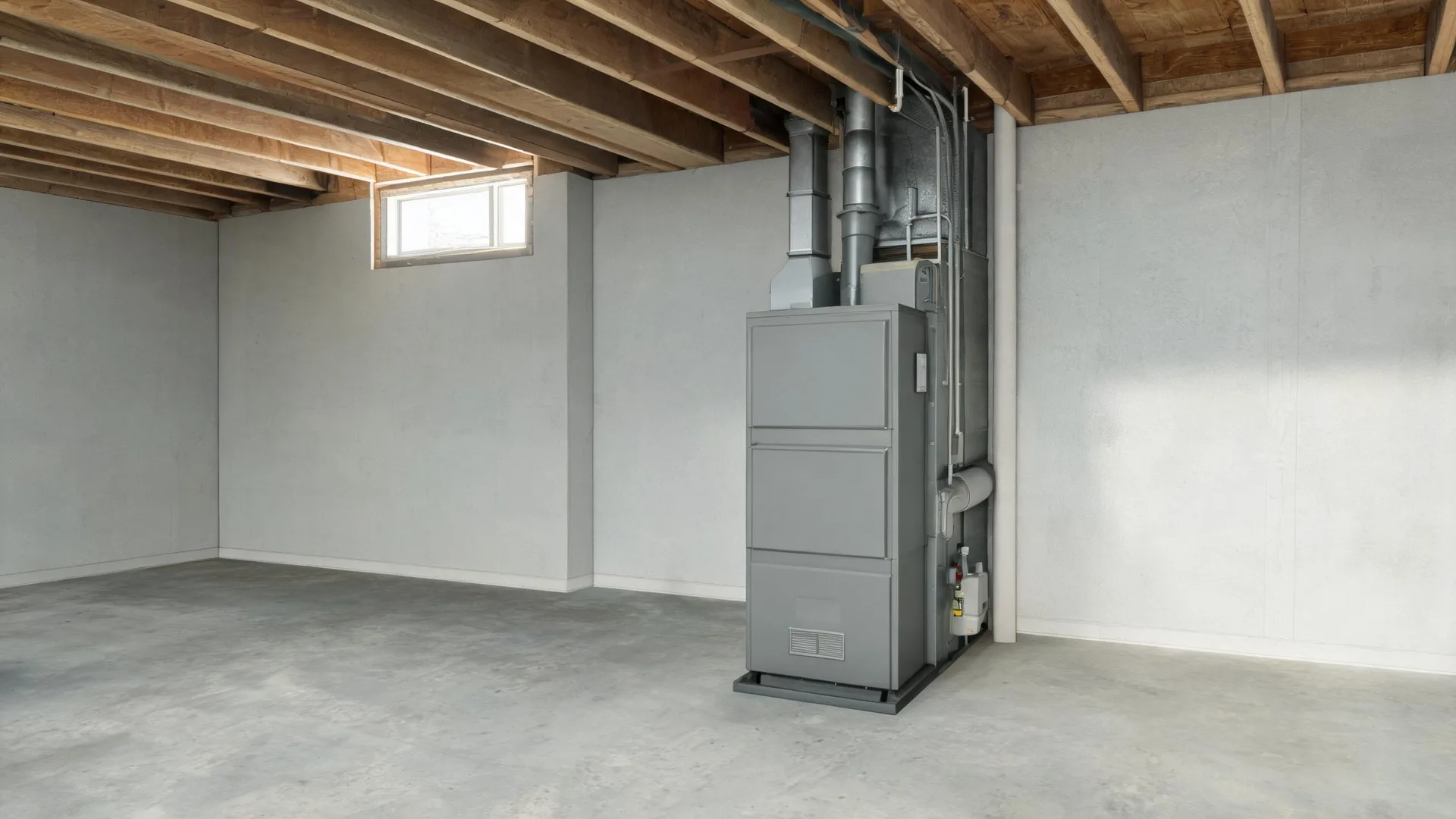
An unfinished basement featuring a forced-air furnace, exposed wooden ceiling joists, bare concrete walls, and miscellaneous items including cardboard boxes and coiled cables on the floor.

A high-efficiency gas furnace would save about $140 a year to run in Lucas County compared with a gas furnace.

  • A high-efficiency gas furnace$680 a year
  • A gas furnace$820 a year

Estimates for a typical Lucas County home, from EIA household energy data, Ohio fuel prices and NOAA climate normals. Your home will differ.

Install day starts with the old furnace coming out, not the new one going in. The crew disconnects the gas line, the flue, the return and supply plenums, and the thermostat wiring, then takes the whole cabinet out through the basement stairs or the utility closet, whichever way it came in. Once the space is clear they check the flue and gas line against what the new unit needs, since those don't always match what the old furnace used. The new furnace gets set, leveled, and connected to the ductwork, the gas line, the vent, and the thermostat wiring. Then it gets fired. That means pressure testing the gas connections, checking the flue draft, and running the furnace through a full cycle to watch the igniter light, the blower ramp up, and the temperature rise across the heat exchanger land where the manufacturer says it should. A furnace that's never been fired and checked is still just a guess sitting in the basement.