




A row of dark-sided single-story cottages with brown shingled gable roofs behind trimmed hedges, mown lawn and a light-colored path, surrounded by large deciduous trees under an overcast sky.

Furnace Installation in Cincinnati, OH

Tell us about the job

Takes about a minute. No obligation.

New system or replacementFurnace or heatingHamilton County, OH
Step 1 of 2

What ZIP code is the job in?

Every contractor should show a load calculation, not a guess based on the old furnace's size. A furnace that's too big short cycles, turning on and off before it heats the place evenly. One that's too small runs constantly and still leaves rooms cold. Ask what size the gas line and vent need to be for the unit being proposed. Switching to a higher efficiency model can change both. Ask if the ductwork was inspected. A new furnace pushed through old, leaky ducts won't perform the way the brochure says. Get the AFUE rating in writing. Ask what the warranty covers on the heat exchanger versus the rest of the parts. Those terms are usually different.

7 months
October through April, your furnace is on duty
25°F
the average winter night it heats against
60%
of homes here heat with gas, so most furnaces here burn gas
80% AFUE
the federal minimum any new unit must meet
Isometric cutaway illustration of a single-story house with a dark shingled roof, showing interior rooms with furniture, ductwork, a flue pipe, and a furnace unit.
Your furnace works hardest from November through March.

NOAA nClimDiv, 1991–2020 normals

The old furnace comes off the gas line, off the vent, and off the plenum, then it gets hauled out of the house.

Taking out the old furnace means the gas line gets capped and sealed before the new unit ever goes in.

Natural gas in Ohio costs $12.89 per million Btu. So the furnace that matters is the one still running when it gets cold.

Heat runs October through April
Winter nights average 25°F
16 winter storms from 2015 to 2024

Reliability first

Power is cheaper here, so the most efficient model takes longer to pay off. Reliability and fit matter more.

Find a contractor
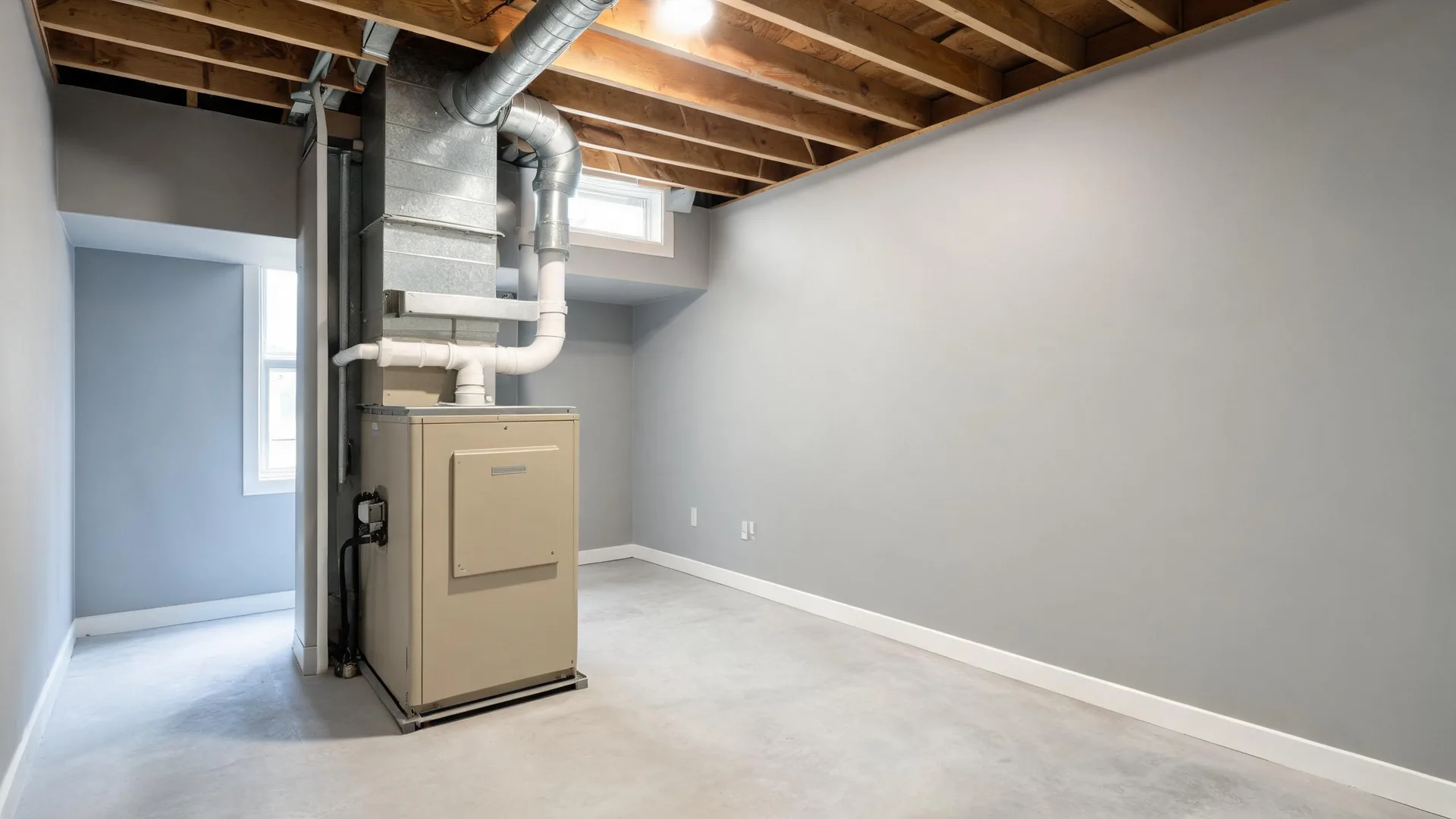
A gray residential gas furnace installed in an unfinished basement, connected to sheet-metal ductwork and PVC pipes.

September is the month before the furnace has to work

Furnaces around here run October through April, about seven months a year. Most of that work happens in cold weather, so it has to start off right. Install it in September and there's time to run the load calculation properly, check the gas line size, and look over the ductwork before it's under pressure to perform. Wait for the first cold snap and that same work gets rushed, or skipped.

AFUE measures fuel, not comfort

The AFUE number on the label tells you what share of the gas burned turns into heat in the house versus what goes out the vent. It says nothing about how evenly that heat gets delivered, whether the furnace short cycles, or how long it lasts. Furnaces with the same rating can feel very different to live with.

A higher number can cost more to install

A furnace with a higher AFUE rating runs its exhaust cooler, and that exhaust often can't go up a chimney built for an older unit. That can mean new venting run through the house, not just a swap at the furnace itself. Ask what the higher rating adds to the install before comparing it to a cheaper model on price alone.

A gas furnace with sheet-metal ductwork and PVC pipes installed in an unfinished basement.

A high-efficiency gas furnace would save about $120 a year to run in Hamilton County compared with a gas furnace.

  • A high-efficiency gas furnace$570 a year
  • A gas furnace$690 a year

Estimates for a typical Hamilton County home, from EIA household energy data, Ohio fuel prices and NOAA climate normals. Your home will differ.

Once the new furnace is set on its base and leveled, the gas line gets hooked up. Every joint gets checked with a gauge before any flame is lit. A pressure test catches a slow leak that a nose won't. The plenum above it gets sealed, and new flue pipe goes in if the efficiency rating calls for it. Once it's running, the next hour goes to things that don't show from across the room. Static pressure in the ducts gets measured. Temperature rise across the heat exchanger gets checked against the manufacturer's numbers. The burners get watched to see if they're drawing air right. A thermostat gets wired in last, and the system runs a full cycle before the job's called done. None of that shows up on the furnace's label later. But it's what decides whether the thing runs quiet for years or needs a callback in the first cold month.