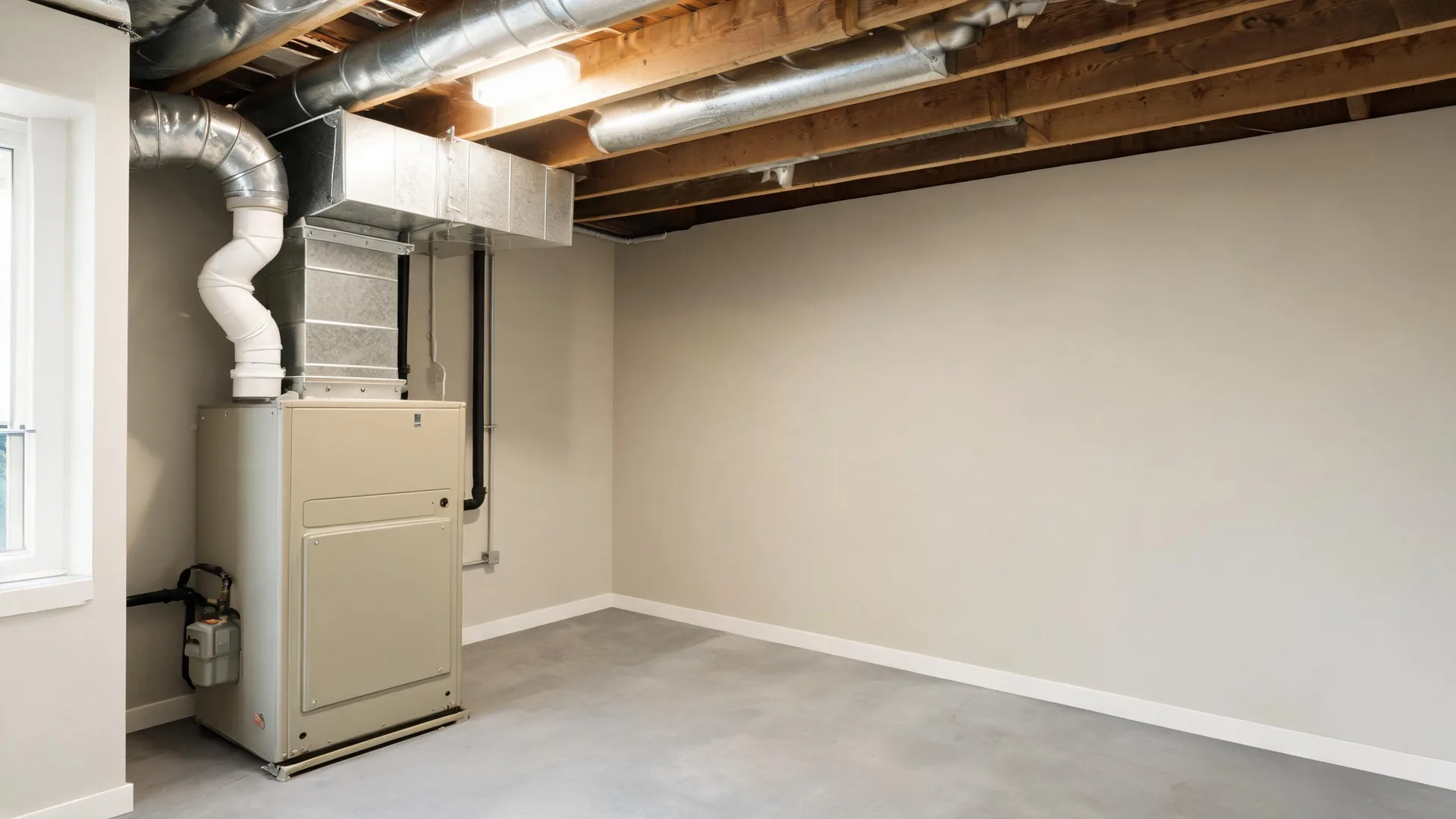
Electricity here runs $46.85 per million Btu
Ohio homes paid that rate in 2024, and most houses in Portsmouth heat with electricity. A furnace that wastes less of what it draws keeps more of that cost out of the bill.
Takes about a minute. No obligation.
Ohio homes paid that rate in 2024, and most houses in Portsmouth heat with electricity. A furnace that wastes less of what it draws keeps more of that cost out of the bill.
A furnace installer here has to weigh how well a unit converts power into heat, not just whether it fits the space. Two furnaces that look alike can run at a different cost every month they're in the house.

NOAA nClimDiv, 1991–2020 normals
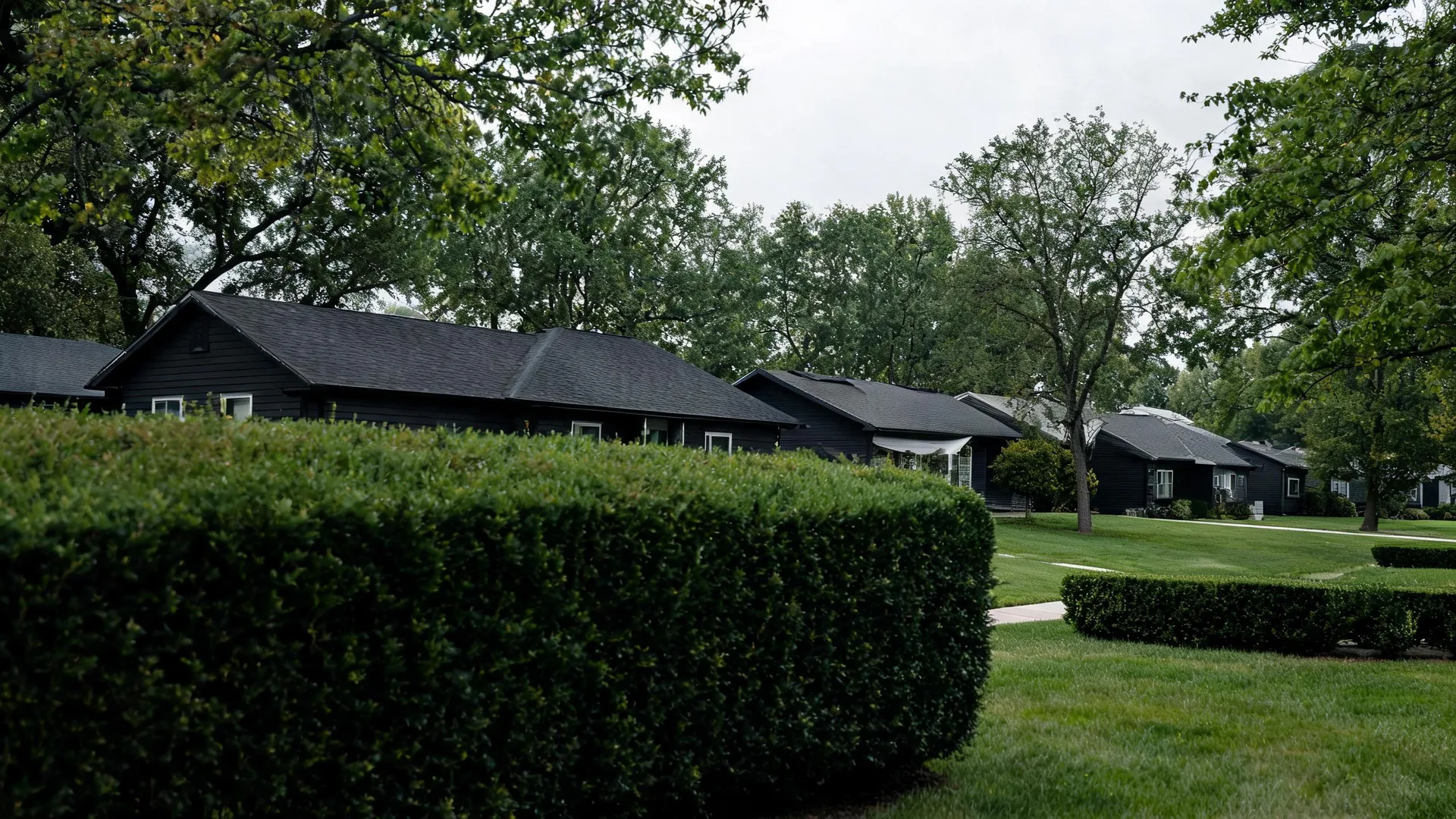
Half the homes in Scioto County were built in 1968 or earlier.
A furnace going into one of these houses has to match the house, not just the room it sits in.




Scioto County falls under zone 4A in the 2021 energy code, a mixed climate that asks real work of both the furnace and the air conditioner. Any gas furnace installed here has to clear a federal floor: built on or after November 19, 2015, it has to turn at least 80 percent of the gas it burns into heat over the winter. That floor is set to rise. Furnaces built on or after December 18, 2028 will have to hit 95 percent. A unit bought now has to meet the standard in place when it was made, not the one coming after.
Electricity here runs $46.85 per million Btu, and that rate doesn't change based on which furnace is on the other end of it. When you're comparing units, ask what each one costs to run, not just what it costs to install.
Find a contractorAn installer sizing a furnace for a house built in 1968 or earlier has to look at that house, not a typical one. Rooms, duct runs and venting all factor into what size unit belongs there. The right move is measuring what's actually in the house and matching a furnace to it, rather than installing whatever size was there before.
Every furnace carries an AFUE number, the share of fuel it actually turns into heat for the house. A higher number means less of what it burns or draws goes up the vent instead of into the rooms. Two units can look the same size and still run at different costs for as long as they're installed.
A furnace warranty usually splits the heat exchanger from everything else, the igniter, the blower motor, the control board. Find out how many years each piece carries, and whether labor is included or just the part. A long warranty on the heat exchanger means little if the blower motor isn't covered past the first year.
That AFUE number on the label is a measure of waste, not just efficiency. It tells you what share of the fuel burned actually heats the house, so a furnace sitting at the federal floor is sending a real chunk of what it burns straight up the flue. A furnace near the top of the range keeps almost all of it inside. The rating is tested under set conditions, so it won't match your bill exactly, but it tells you how two units stack up against each other before either one is installed. A bigger furnace isn't a more efficient one. Sizing and AFUE are separate questions, and a unit that's too large for the house will cycle on and off more than it should, no matter what the label says.
Installation day starts before anyone touches the old furnace. The crew shuts off gas and power, then pulls the existing unit out along with any ductwork or venting that won't work with the new one. A load calculation should have already happened, so what shows up on the truck is sized for the house, not just a swap of the same number. Setting the new furnace means leveling it, connecting the gas line and venting, wiring the control board, and tying into the existing ductwork or modifying it where it doesn't line up. Once it's in, the installer fires it up, checks the gas pressure, confirms the temperature rise is in range, and runs the system through a full cycle before calling it done. A furnace installed right should pass that final check without adjustments needed later.