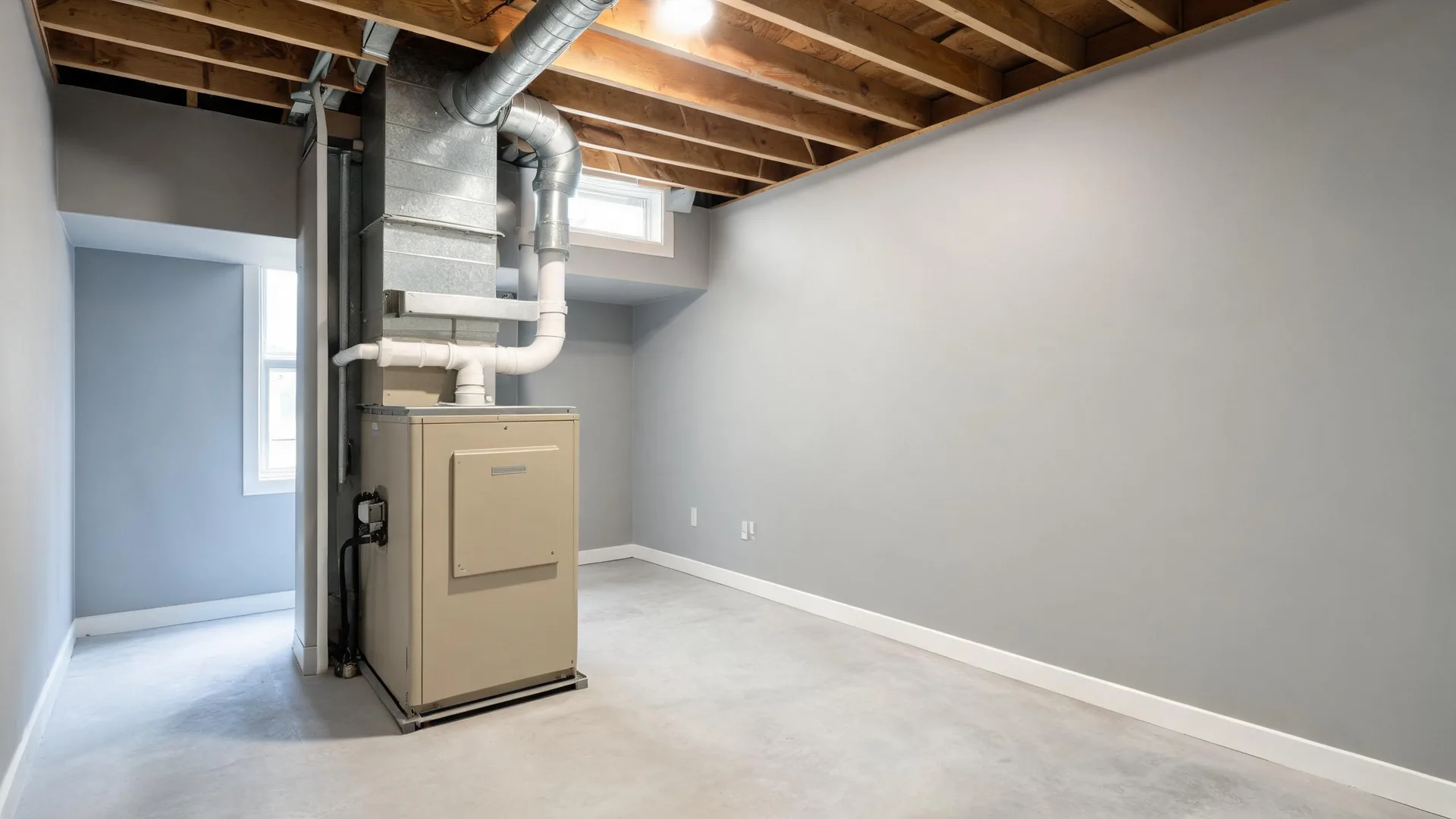
Gas is the standard here
In Stark County, 77.1% of occupied homes heat with utility gas. Put in a new furnace here, and odds are it's replacing another gas furnace.
Takes about a minute. No obligation.
In Stark County, 77.1% of occupied homes heat with utility gas. Put in a new furnace here, and odds are it's replacing another gas furnace.
Same fuel as the old furnace means no new gas line to run and no new venting to figure out. The install just uses what's already there.
NOAA nClimDiv, 1991–2020 normals
Natural gas cost Ohio homes $12.89 per million Btu in 2024.
A standard size, standard efficiency furnace fits a Canton home fine. No local reason to size up or pay extra for efficiency.




Canton is in zone 5A, a cool zone where the furnace does most of the work all year. Any furnace put in now has to hit at least 80.0 percent AFUE. That's the federal minimum for non-weatherized gas furnaces. In a few years that floor goes up to 95.0 percent AFUE, but that rule isn't in effect yet. A furnace bought today only has to clear the lower bar. The higher number is coming later. It's not a reason to pay more right now.
Half the homes in Stark County were built in 1966 or earlier. A furnace going into a house that age has to work with what the house already has, not a blank slate. That is the job for the installer coming to size it.
Find a contractorSeptember is still warm here, and that's why it's the month to get a new furnace in. Once the heat kicks on in October, the furnace runs clear through May. That's eight months asking something of the same igniter and the same heat exchanger. Put the new one in during September, and the installer isn't working around a system the house depends on. The schedule is whatever works. Wait until the furnace is already running every day, and that choice is gone.
A furnace should be sized by a room by room load calculation. Not by matching the nameplate on the one coming out. That old furnace might have been oversized to begin with. If an installer just quotes the same size without running the numbers, that's a guess.
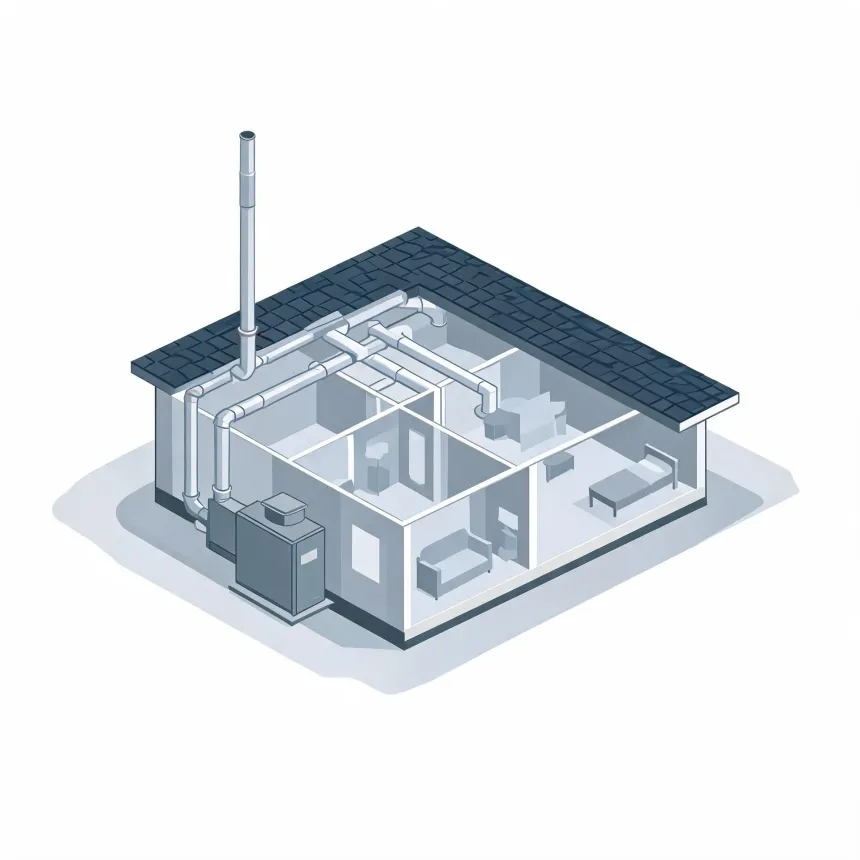
A high efficiency furnace vents different from a standard one. If you're comparing units at different efficiencies, ask about the venting too. High efficiency runs through plastic pipe out a sidewall, not up the old metal flue. That changes what the installer has to run.
Estimates for a typical Stark County home, from EIA household energy data, Ohio fuel prices and NOAA climate normals. Your home will differ.
The old furnace comes out first. Disconnected from the gas line, the vent, and the ductwork it's been tied into for years. The new one goes in, gets leveled, and hooks up to that same ductwork, same gas line if the fuel hasn't changed, and a vent that either reuses the old flue or needs new plastic pipe if the efficiency calls for it. Once it's hooked up, time to fire it up and check gas pressure, check the temperature rise across the heat exchanger, check that the flame looks right. That's not a glance. That's a reading checked against the furnace's own spec plate. Duct connections get checked for leaks. The thermostat gets wired in and run through a full cycle before anyone calls it done. A straightforward swap, same fuel, similar venting, that's usually a one day job. Change the vent path or the ductwork and it runs longer, because now there's more to build, not just more to connect.