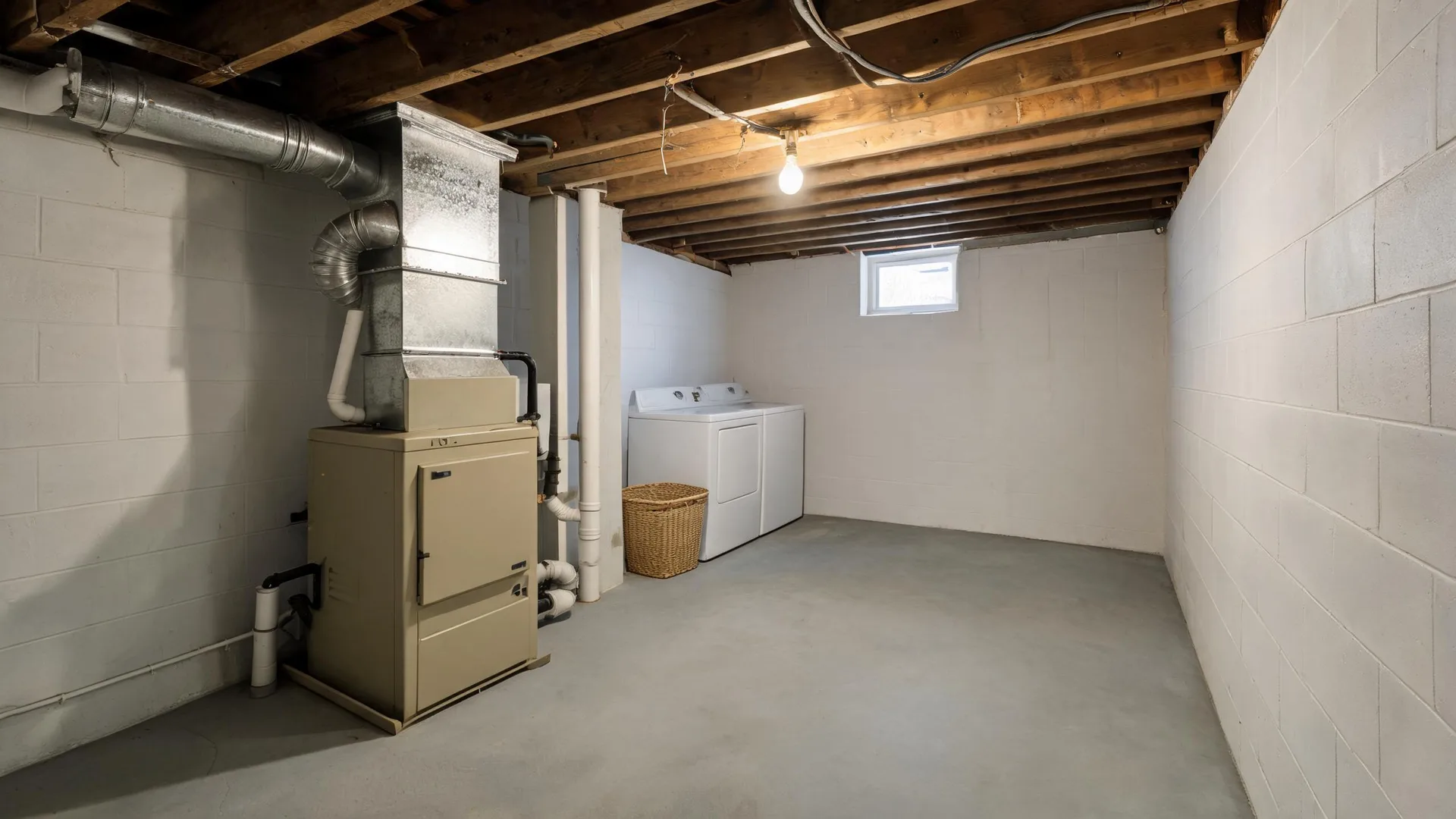
Most furnaces here run on gas
Utility gas heats 64.6% of occupied homes in Wood County, making it the fuel most furnace installations in Bowling Green are built around.
Takes about a minute. No obligation.
Utility gas heats 64.6% of occupied homes in Wood County, making it the fuel most furnace installations in Bowling Green are built around.
When a home already has a gas furnace, a new gas furnace can usually connect to the existing line and vent, which keeps the installation straightforward.
NOAA nClimDiv, 1991–2020 normals
A furnace sized off square footage alone can end up being the wrong furnace, no matter how good the brand name is.
Ask the contractor if they ran a load calculation on the house. Ask to see the numbers.




September is the month to get this done. Heat goes on in October here and stays on through May, eight months of the year on this furnace. That is most of the year asking something of it, which is exactly why the install shouldn't happen in a scramble after the first cold snap. Schedule it now and a contractor can take the time to run the load calculation properly, check the venting, and set everything up right instead of rushing to get heat back on in a house that already needs it. Wait until October and you're asking for the same careful work on a faster timeline, if the furnace gives you the choice at all.
A standard furnace sized to the house is the right call here. Wood County gets its share of wind and winter storms, but that doesn't change what size or grade of furnace the house needs. Get the load calculation done and the install scheduled before the weather turns.
Find a contractorA furnace that's too big for the house fires up hard and pushes out heat fast. Then it shuts off again before that heat has moved through every room. That short cycling wears on the ignition system and the blower motor more than a long, steady run does. It also leaves the air uneven, warm near the vents and cooler everywhere else, because the system never ran long enough to even things out. A furnace sized right for the house settles into longer runs on the coldest days and shorter ones when it's mild. That's how it's supposed to work. The only way to land on the right size is a load calculation, not a guess based on square footage. The calculation looks at how much of the house is window, how the walls and attic hold heat, and where the place loses heat fastest. Square footage alone doesn't tell you any of that.
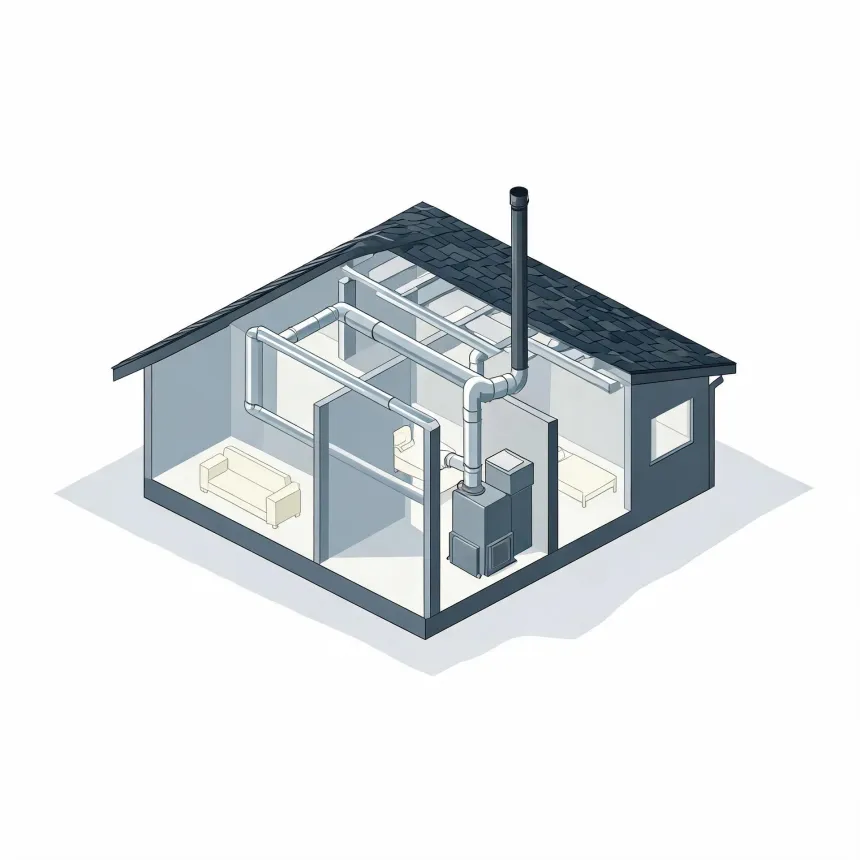
The gas line, the venting, and the duct connection all get disconnected first. Then the old furnace comes out before the new one goes in. It has to happen in that order because the new furnace usually sits in the same spot and hooks into the same duct trunk.
Furnaces get rated by how much heat they pull from the fuel they burn. A higher-rated furnace often vents through plastic pipe instead of metal. So if the new furnace vents differently than the old one, running new venting is just part of the job. Not an extra, not an add-on later.
Estimates for a typical Wood County home, from EIA household energy data, Ohio fuel prices and NOAA climate normals. Your home will differ.
Install day, the old furnace comes out and the new one goes in. But most of the day is everything else around that swap. The gas line gets pressure tested once it's hooked back up. A leak at the fitting won't show up until the system's under load. The vent gets checked for the right pitch and the right clearance from windows and soffits, not just hooked back up and left. Ductwork gets sealed at the plenum where it meets the new furnace, since that joint never matches the old one exactly. Once it's running, gas pressure gets checked at the manifold, and the temperature rise across the furnace gets measured to confirm it's firing right. None of that shows up as its own line on the invoice. Skip it, and the furnace is back on a service call the first cold week it has to work.