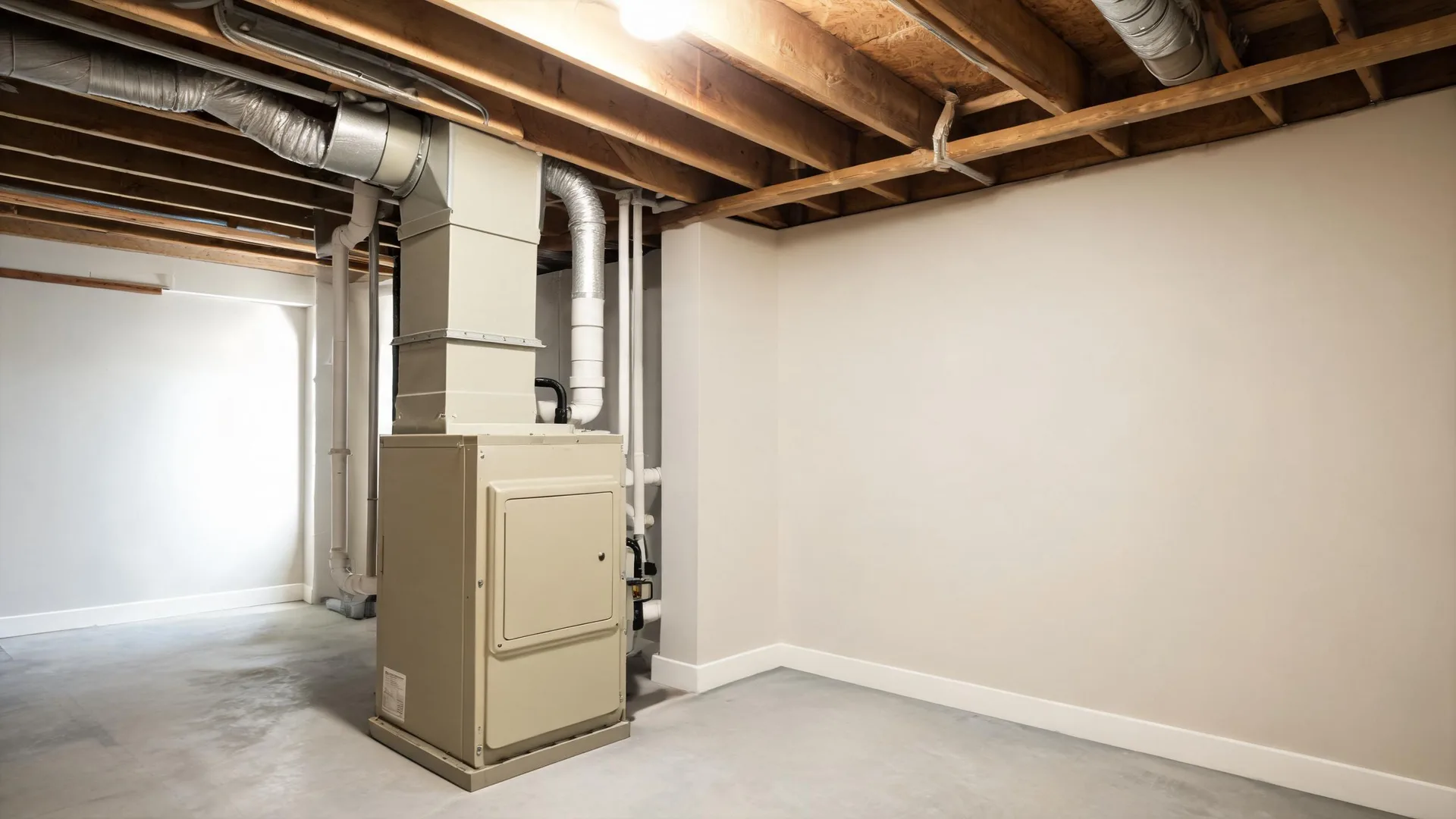
Most furnaces in Kent run on gas
Utility gas heats 63.7% of homes in Portage County, more than any other fuel. Electricity is a distant second at 21.5%. Fuel oil and propane make up the rest.
Takes about a minute. No obligation.
Utility gas heats 63.7% of homes in Portage County, more than any other fuel. Electricity is a distant second at 21.5%. Fuel oil and propane make up the rest.
When most homes nearby already heat with gas, that's the system a contractor knows best and reaches for first. Switching to a different fuel means new wiring or a new fuel line, weighed against just keeping what the house already has.
NOAA nClimDiv, 1991–2020 normals
Portage County sees damaging wind, hail, and winter storms most years. 121 severe weather events were logged between 2015 and 2024.
None of that changes what size or efficiency furnace a home here needs. A standard installation is the right call.




September is the month to get a furnace installed here. Heat runs from October through May, eight months out of the year. Getting it done in September means the furnace is ready before that first cold snap, not scrambling during it. It also gives a contractor time to size the job right and schedule it properly, instead of rushing. And once it's running, there's a few weeks of mild nights to catch anything that needs adjusting before you're relying on it every day.
Half the homes in Portage County were built in 1977 or earlier. Half went up after that. Doesn't matter which side your house falls on. The furnace going in doesn't need to match the age of the house. A standard gas furnace, sized for the house as it stands now, is the right call.
Find a contractorA furnace that's too big for the house kicks on, blasts out heat, and shuts off again before it's pulled moisture out of the air or warmed up the walls and furniture. Just the air in the room gets heated. That short burst wears on the igniter and the blower motor. Both take more start-stop stress than they would with a longer, steadier cycle. Go too small and it never shuts off on the coldest nights. It runs flat out and still loses ground. Either way, the wear shows up early, before the unit's years are up. Getting the size right starts with a load calculation. That's a room by room look at square footage, insulation, window count and orientation, ceiling height, and air leakage. That gives a number in Btu per hour, and that's what the furnace gets sized against. Not the old unit's size. Not what the house next door has. Done right, the furnace runs longer, steadier cycles. The temperature stays more even through the house, and the parts that start and stop it see less wear.
Homes can get the same furnace and pay different amounts for the install. Whether the vent pipe can run straight out or has to snake through joists and framing, whether the gas line reaches the new location or needs extending, whether the ductwork already matches the furnace's output or needs a plenum resized, all of that is labor and material before the furnace ever gets bolted in.
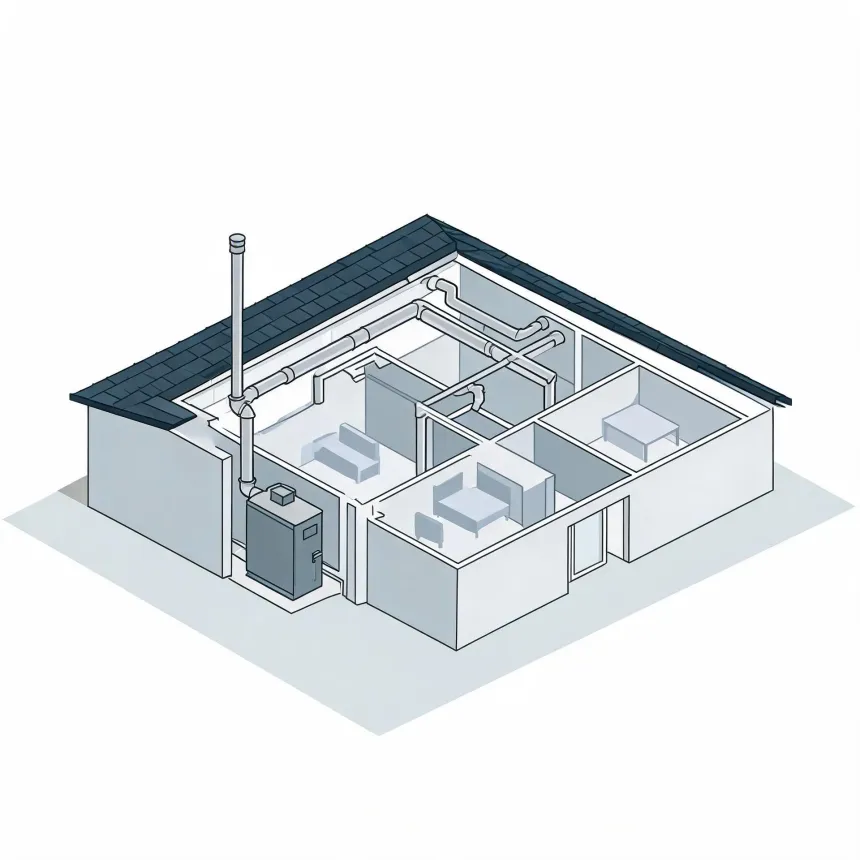
A furnace venting straight out a side wall is a different job than one tied into a chimney liner. High-efficiency furnaces condense exhaust into water and vent through PVC pipe, not the metal flue a standard-efficiency unit used. If the replacement changes how the furnace vents, that's new pipe, new wall or roof penetrations, and sometimes a chimney liner that's no longer needed at all.
Estimates for a typical Portage County home, from EIA household energy data, Ohio fuel prices and NOAA climate normals. Your home will differ.
The old furnace comes out first. Disconnected from the gas line, the vent, and the ductwork before anything new goes in. That's usually a few hours of work on its own, more if there's a chimney liner coming out too. With the space cleared, the new furnace goes in, gets leveled, and gets hooked back up, gas line, vent pipe, supply and return plenums tied into the existing ductwork. Electrical and a condensate line come next if it's a high-efficiency unit. Once it's hooked up, it runs through a full cycle. Gas pressure, airflow, and the temperature rise across the heat exchanger all get checked against what the manufacturer specifies for that model. Most jobs finish in a day. Old equipment hauled out, new system running, before anyone leaves.