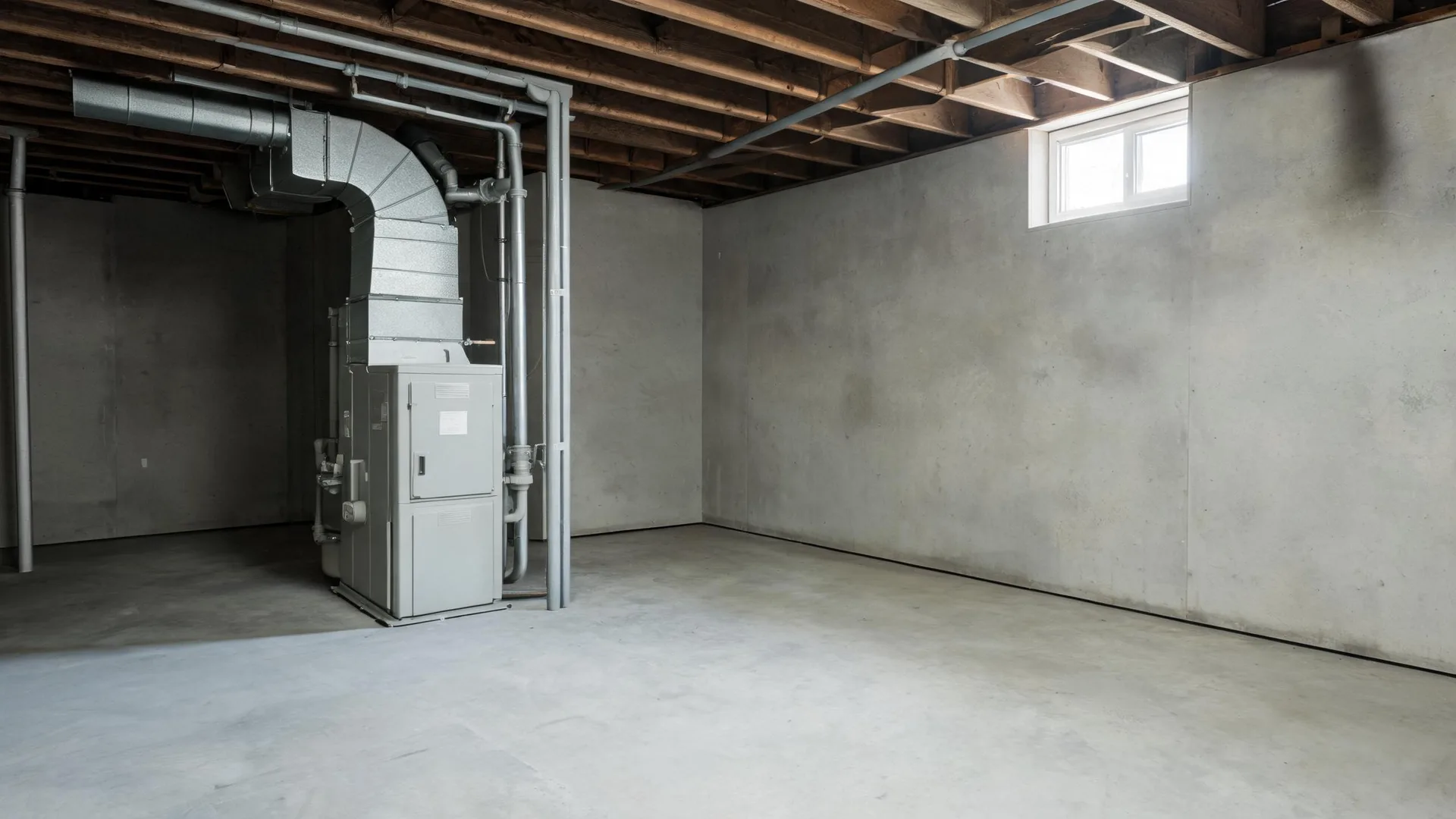
Gas is the default here
Utility gas heats 61.2% of occupied homes in Marion County, more than every other fuel combined. Electricity accounts for 23.7%, and LP gas another 11.3%. A gas furnace is the common replacement here, not the exception.
Takes about a minute. No obligation.
Utility gas heats 61.2% of occupied homes in Marion County, more than every other fuel combined. Electricity accounts for 23.7%, and LP gas another 11.3%. A gas furnace is the common replacement here, not the exception.
If your home already runs on gas, replacing the furnace with another gas furnace means no new gas line, no new venting plan, and no rewiring the house for electric heat.
NOAA nClimDiv, 1991–2020 normals
Half the homes in Marion County were built in 1963 or earlier.
A furnace going into a house that old has to work with the ductwork and venting that's already there. Not a blank slate.




Marion County is in zone 5A. Cold, humid winters, and heating does most of the work here. Any furnace put in today has to hit at least 80 percent AFUE. That's the federal minimum for non-weatherized gas furnaces. In a few years that minimum jumps to 95 percent, but a furnace bought today only has to meet the lower number that's in place now. There's a federal tax credit for furnaces that beat that minimum. Worth asking about, even though it's not required yet.
Gas runs $12.89 per million Btu here, same as the rest of Ohio. Marion County doesn't need a bigger furnace or a higher efficiency tier than code calls for. A standard size at the minimum efficiency already covered is the right fit.
Find a contractor
The price isn't just the furnace. It's what the installer has to deal with around it. If the vent pipe needs to change size or routing to fit the new furnace, that's extra labor and material. If the ductwork near the furnace has crushed sections, wrong-size takeoffs, or hooks up in a way the new unit wasn't built for, some of that duct gets rebuilt instead of reused. The gas line gets checked too. An old flexible connector or a shutoff valve that doesn't meet current code gets swapped out before the new furnace hooks up, not after. None of this shows up until the old furnace is out and the installer can see what it was actually connected to.
The label tells you how much of the fuel burned turns into heat in the house. The rest goes out the vent. It doesn't say how warm the house gets or how fast. Just how much of what you pay for ends up as heat instead of exhaust.
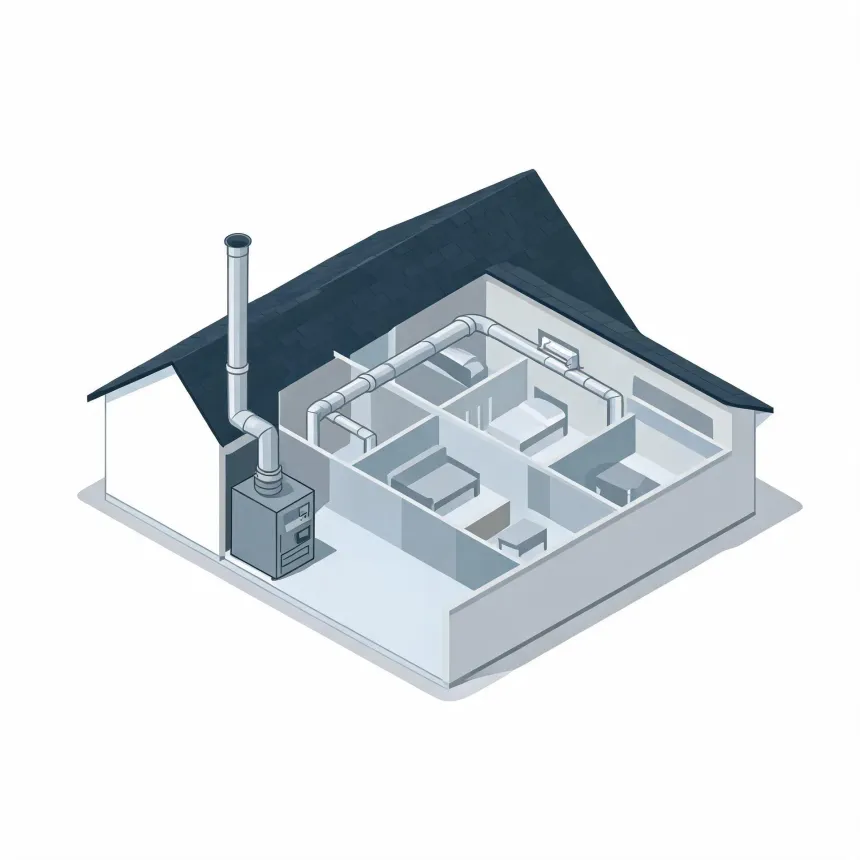
A furnace at the minimum rating vents like the old one, through metal pipe. The exhaust is still hot enough to rise on its own. A furnace rated well above that minimum cools the exhaust enough to condense it, so it vents through plastic pipe instead. That means new venting and a condensate drain near the unit. Picking a tier above code isn't just about the furnace. It changes what has to get run to the outside wall.
Estimates for a typical Marion County home, from EIA household energy data, Ohio fuel prices and NOAA climate normals. Your home will differ.
The old furnace comes out first. That sets the schedule for the rest of the day. Gas gets shut off, the flue disconnects, and the cabinet gets carried out in pieces if it won't fit through the door whole. The new furnace goes in on the same pad or platform in most cases. Then the ductwork ties in, the gas line connects, and the vent pipe runs to the outside wall. Each connection gets tested before the next one starts. Gas line checked for leaks. Vent checked for proper draft. Ducts checked for airflow at the registers. Once it's all buttoned up, the furnace runs through a full cycle. Temperature rise across the heat exchanger gets checked. Burners get checked to make sure they're firing clean. A straightforward swap can wrap up the same day it starts. If the vent or ductwork needs rework, that gets done before the furnace ever gets fired up for good.