






A row of dark-sided houses with brown shingled roofs behind trimmed hedges, lawn, and large deciduous trees under an overcast sky.

Heat Pump Installation in Mansfield, OH

Tell us about the job

Takes about a minute. No obligation.

New system or replacementHeat PumpRichland County, OH
Step 1 of 2

What ZIP code is the job in?

Electricity in Ohio ran 15.99 cents per kilowatthour in 2024. A heat pump uses electricity year round, heating and cooling both, so that rate hits every cycle it runs. The efficiency rating on the unit isn't just a number for the showroom. It's what decides how much of that rate shows up on the bill.

8 months
October through May, your system heats
3 months
June through August, it cools
20°F
the average winter night it heats against
81°F
the average summer afternoon it cools against
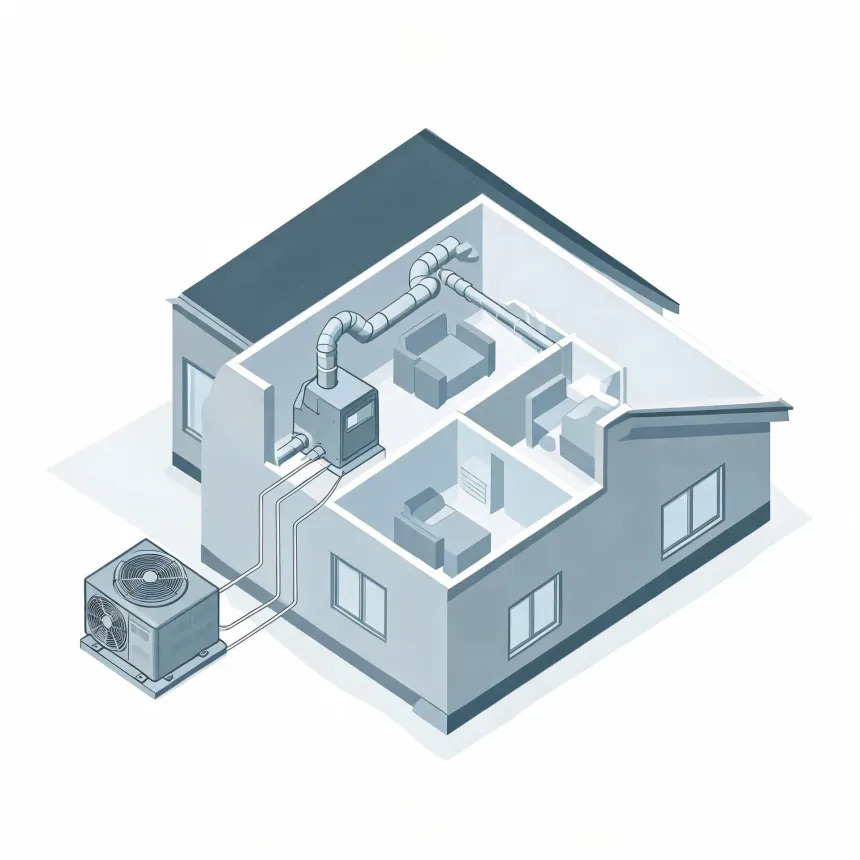
Isometric cutaway illustration of a two-room house showing an indoor air handler with ductwork connected by lines to an outdoor condenser unit on a pad.
Your system heats October through May and cools June through August.

NOAA nClimDiv, 1991–2020 normals

In Zone 5A, winter is what works a heat pump hard, more than summer cooling ever does.

A solid mid-tier system handles a Mansfield winter just fine. The top-efficiency model isn't the only safe pick.

Heat runs eight months here, and cooling systems only get three off. September's the month to get ahead of it instead of waiting for a breakdown.

Cooling runs June through August
Heat runs October through May
86 damaging wind events from 2015 to 2024
Half this county's homes were built before your heat pump was inventedHalf the homes in Richland County went up in 1965 or earlier.

Mansfield is in zone 5A. Any split-system heat pump installed here has to hit at least 14.3 SEER2 for cooling and 7.5 HSPF2 for heating. That's the national minimum, but it matters more here because the heating rating is the one earning its keep most of the year. A system right at that minimum is still a solid choice. Nothing wrong with it. Go above the minimum, though, and a federal tax credit kicks in for qualifying heat pumps. That's worth factoring in when deciding whether to spend a bit more up front for better efficiency.

Efficiency pays here

Power costs more here, so an efficient system pays you back on every bill.

Find a contractor
A man in a cap, olive shirt and dark pants carries a canvas tool bag up concrete steps toward a dark blue front door, with a potted shrub beside the entry.
A dark gray heat pump unit mounted on a concrete pad next to a house with gray siding and a stone veneer wall.

Ask what this system has to do for years, not what it costs to install

A heat pump run on a quoted efficiency rating and a heat pump run against a mismatched duct system can show the same number on paper and age at different speeds. The compressor cycles on every call for heat or cooling, all year, so the question worth asking a contractor isn't just which brand or which rating, but what runtime that system is likely to see in this house and whether the parts match the duty. Ask what the warranty covers on the compressor versus the labor to replace it, since those are often different terms from different parties. Ask whether the quoted system matches the load calculation or the size of what's being removed. A unit sized to the house runs longer, gentler cycles for years. One sized to guesswork runs harder from the first winter on, and that shows up in how soon something needs attention.

The old equipment comes out as part of the job

Taking out the furnace, condenser, or old heat pump is part of the install. It's not a separate job. The old refrigerant gets recovered, not vented, since letting it out into the air breaks federal law. Any ductwork or electrical hookups from the old system get disconnected and adapted to fit what the new one needs.
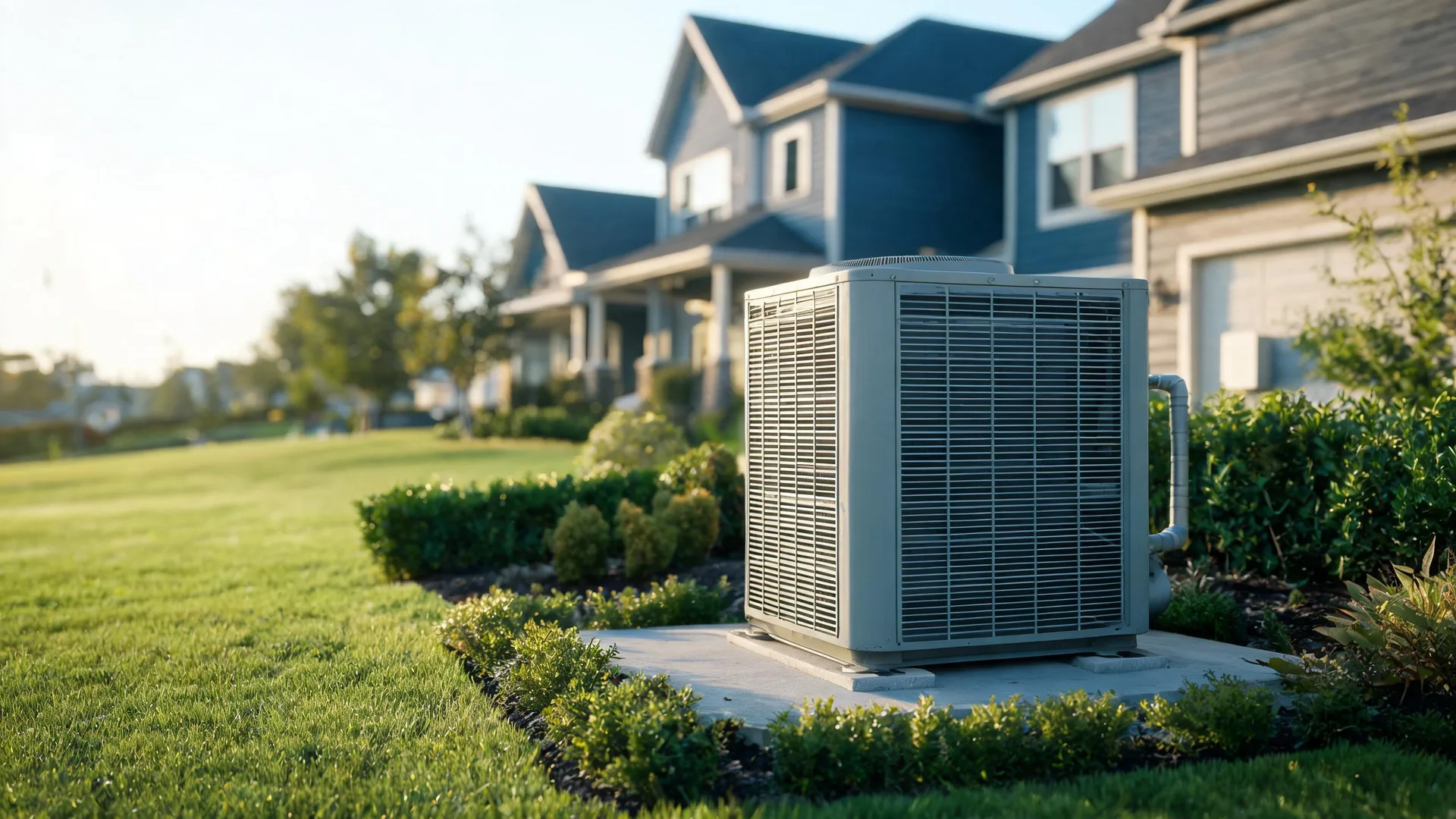
A heat pump needs things a furnace never did

If the old setup was a furnace with a separate AC, the new heat pump might need a different disconnect, different wiring, or a different pad than what's sitting there now. Going from heat pump to heat pump usually means more of the existing setup can stay. Either way, the installer has to look at what's actually in place before deciding what stays and what goes.

Most of what drives the price is stuff nobody sees once the job's done. The load calculation sets the tonnage, and that comes from the house itself, not a guess. The line set run between the outdoor unit and the air handler costs more the longer it runs. The existing ductwork matters too. If it's undersized or leaky, it may need work before the heat pump can push air through it right. The electrical panel either has room for the new circuit or it doesn't, and that takes a look before anyone can quote the job. An easy spot for the outdoor unit and easy access to the attic or crawlspace keeps labor down. None of this is padding. It's the difference between a system that's sized and connected right and one that runs but costs more to live with.

A load calculation looks at the walls, the windows, the insulation, and the square footage together. It comes back with a number in tons. That's the only number that should decide the size of this unit. Go bigger than that and the heat pump short-cycles. It hits the thermostat's setpoint fast and shuts off before it's pulled enough moisture out of the air. The house feels clammy even at the right temperature. Go smaller and it runs flat out on the coldest days and still can't keep up. It leans hard on backup heat strips to make up the difference. Oversizing doesn't buy a margin of safety. It just means the unit cycles on and off more and wears its parts faster, without heating or cooling the house any better.