

Heat pump tune-up in Mason, OH

Tune-up, service, or cleaningHeat PumpWarren County, OH
Step 1 of 2

What ZIP code is the job in?

How often does a heat pump need a tune-up in Mason, OH?

A heat pump works year-round in Mason, cooling the house through the sticky summer months and heating it through the cold ones. That double duty means it runs more hours over a year than a furnace or an AC alone, and you want to know how often it actually needs to be looked at so it keeps working when you need it most, in July and in January both.

Twice a year, once before summer and once before winter

A heat pump earns that schedule because it does the job of two systems. It runs the air conditioning all summer and then switches over to heat the house all winter, so there's no off season where it just sits. Each changeover is a good time to have it checked, since the coil, refrigerant charge and defrost controls all get tested under the mode they're about to run. A unit that only gets looked at once a year is going a full season on whichever side didn't get checked. In Mason, where summers are muggy and winters are genuinely cold, that means the system is working hard enough, in both directions, that skipping a check on either end tends to show up later as a breakdown or a higher power bill.

A gray outdoor condenser unit on a concrete pad beside a house with horizontal lap siding, connected by conduit and lines to a wall-mounted disconnect box, with a shrub and gravel bed to the left.

Running the way it should

The outdoor unit cycles on, runs quietly, and shuts off when the house hits temperature. Refrigerant lines stay cold to the touch on the cooling side, and the coil behind the fan stays clean enough for air to move through it. Nothing around the pad is blocking airflow.


An outdoor air conditioner condenser unit on a concrete pad beside a light gray vinyl-sided house, with an electrical disconnect box and conduit on the wall and bare soil in the foreground.

A system in trouble

The unit short cycles, or runs long and never quite catches up to the thermostat. Ice can build on the coil even when it's not cold enough outside to explain it. The disconnect box or the lines running to it show corrosion, and the bill climbs without a reason you can see.

What does winter in Mason actually ask of your heat pump?

  • Winter nights average 25°F

    Overnight lows near 25°F mean the system leans on its backup heat strings often, and dirty coils or low charge make that backup run even more.

  • Heat runs October through April

    Seven months of heat a year, October through April, is more run time than most parts of the country asks of this equipment.

  • Cooling runs June through September

    Four months of cooling add to that same compressor's workload, so the unit gets barely a break before switching modes again.

NOAA nClimDiv 1991-2020

A heat pump that skips its tune-up tends to show it first in the backup heat strips. Those strips are electric resistance heat, the most expensive way to warm a house, and if the outdoor coil is dirty or the charge is low, the system leans on them more than it should through those cold Mason mornings. You'll see it on the power bill before you see it anywhere else. Through summer, the same neglect shows up as a house that never quite feels cool, or an outdoor unit that runs longer than it used to for the same result. Left alone over a few seasons, the compressor is doing harder work than it was built for, and that's the part that's expensive to replace. None of this happens overnight. It shows up gradually, a few degrees off here, a few more minutes of runtime there, until a summer afternoon or a January night makes it obvious.

A woman in a cream knit sweater sits in a light upholstered armchair with her eyes closed and a slight smile, beside a window showing orange autumn foliage, with a bookshelf, lamp, and a mug on a side table nearby.
An older man with white hair and a beard sits in a padded armchair with his eyes closed and a slight smile, wearing a gray zip-up fleece, in a sunlit room with large windows and houseplants behind him.

A technician starts with refrigerant charge, checking it against the manufacturer's spec, because even a slight shortage makes the compressor work harder through every month it runs. The outdoor coil gets cleaned next. Dirt and cottonwood fluff build up on those fins and cut how much heat the system can move, whether it's pulling heat out of the house in July or pulling it from the air in January. From there it's the electrical side: connections tightened, the contactor checked for pitting, since a worn contactor is a common reason a heat pump won't start on a cold morning. The reversing valve gets tested too. That's the part that switches the system between heating and cooling, and a valve that sticks can leave you stuck on one or the other. The defrost cycle and its sensor get checked, since a heat pump that can't sense frost on the outdoor coil ends up defrosting too often or not often enough. Last is airflow at the indoor coil, measured because a dirty filter or a weak blower makes the system run longer to reach the same setting on the thermostat.

What a tune-up actually covers

  • A tune-up starts with the technician checking refrigerant charge against the manufacturer's spec, since even a small shortage makes the compressor work harder all year.
  • The outdoor coil gets cleaned so heat can transfer properly, because a coil caked with dirt or cottonwood fluff cuts the system's capacity in both directions.
  • Electrical connections and the contactor get checked for wear, since a pitted contactor is a common reason a heat pump fails to start on a cold morning.
  • The reversing valve gets tested, because that's the part that switches the system between heating and cooling and a stuck valve can leave you without either.
  • Technicians check the defrost cycle and sensor, since a heat pump that can't sense frost on the outdoor coil will either defrost too often or not enough.
  • Airflow gets measured at the indoor coil, because restricted airflow from a dirty filter or blower makes the whole system run longer to reach the same temperature.
A woman with long gray hair in a dark green sweater sits on a cushioned window seat with textured pillows and a knit blanket, looking out a window toward trees with yellow and orange foliage.
A gray-haired woman in a cream sweater sits under a blanket in a living room, looking out a window toward sunlit yellow foliage, with a lamp, framed landscape painting, bookshelf and potted plant behind her.
A gray-haired woman in a gray knit sweater sits in an armchair by a window with autumn foliage outside, in a room with a wooden dresser, framed picture, and a potted plant.
A gray-haired woman in a cream turtleneck sweater sits in an armchair by a window, looking out toward yellow and orange autumn foliage, with a lamp, bookshelf and side table in the dim room behind her.
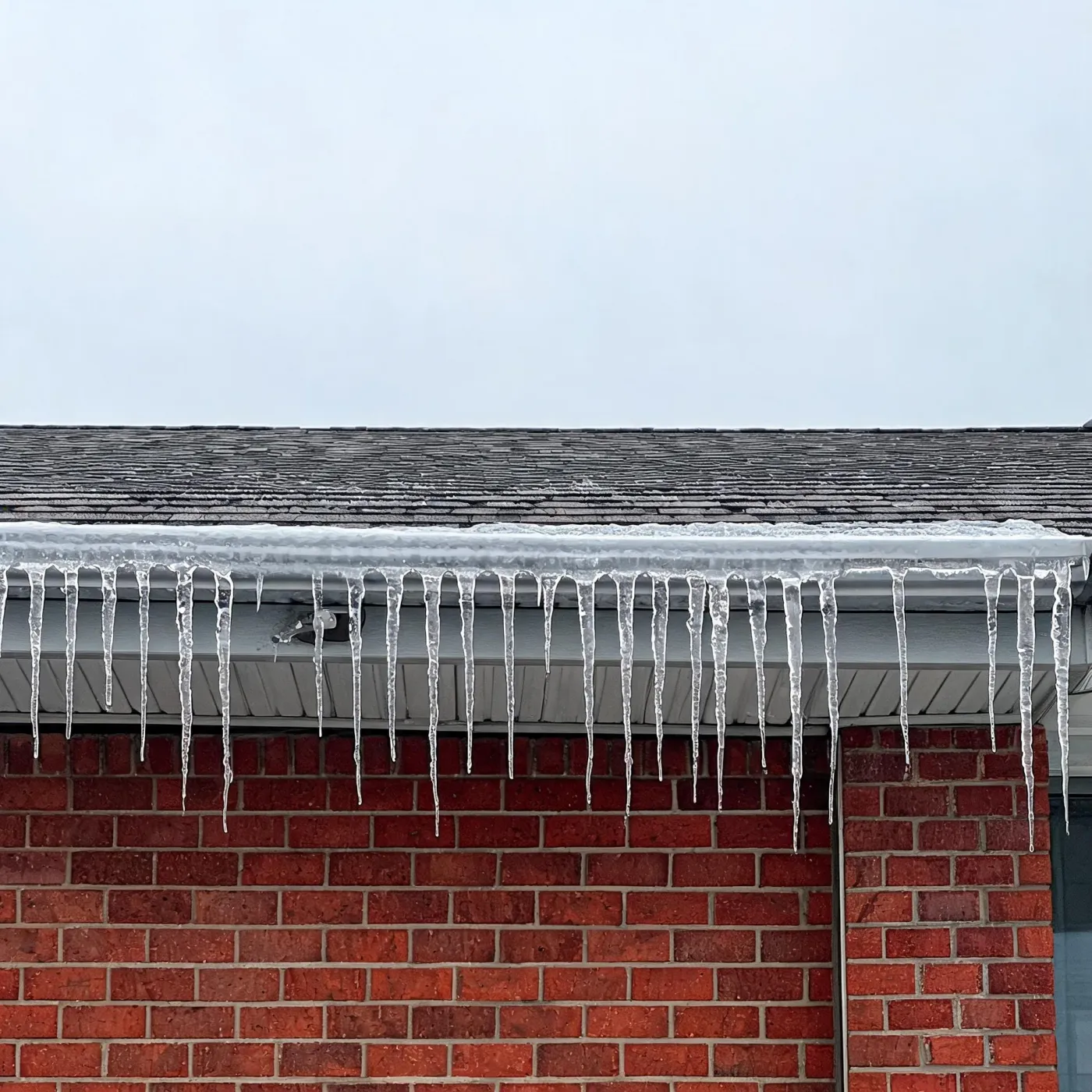
Icicles hang from a snow-covered gutter along the eave of a red brick house with a shingled roof under an overcast sky.

Winter nights in Warren County average 25°F, and a heat pump has to pull what heat it can out of that cold air. Below about freezing, that gets harder, and the outdoor coil needs to be clean and the charge right for the system to manage it without falling back on the strip heat. A unit that missed its fall tune-up may run longer at night than it used to, or the house may feel cooler than the thermostat setting until morning. A technician matched to your address can check whether that's what's happening before another cold month passes.

Source: NOAA

NOAA nClimDiv 1991-2020

Get matched with a heat pump pro in Warren County

You already know what the backup strips cost you to run, and you know a dirty coil or low charge is what pushes the system to reach for them. Finding out which one is wrong with your unit means getting someone out to look at it, and that usually starts with calling around, explaining the same thing to three or four companies, and sitting on quotes that are hard to compare because you don't know what any of them actually checked. Handing that off means one contractor who serves Mason gets your request and follows up with you directly. You still have a heat pump that has to get through a Warren County winter on strips that cost more to run than the compressor itself, and the sooner someone checks the charge and cleans that coil, the less those strips carry the load this winter.

A gray outdoor condenser unit on a concrete pad beside a light-colored lap-sided house, with a wall-mounted disconnect box, refrigerant lines, mulch bed and shrubs, and a concrete walkway in the foreground.

The outdoor unit running clean

This condenser sits on its pad doing exactly what it should, cycling on and off without strain. The lines running to the disconnect box stay clear, and the space around the unit is open, nothing crowding the coil or blocking airflow.

An outdoor condenser unit sits on a concrete pad beside a house with horizontal vinyl siding, with a gray electrical disconnect box and conduit on the wall and a shrub at left.

Signs the unit needs a look

A heat pump can sit right next to the house looking fine and still be working harder than it should underneath. A coil losing its grip on heat transfer or a charge that's drifted low won't always show on the outside, not until the backup strips start carrying the load.

An outdoor air conditioner condenser unit on a concrete pad beside a house with horizontal lap siding, with refrigerant lines entering the wall and a shrub on bare soil to the left.
Before you get your heat pump maintenance
A light gray outdoor heat pump unit mounted on a concrete pad beside a house with horizontal lap siding, with refrigerant lines and conduit running to a wall-mounted electrical box, gravel and a leafy shrub nearby.
After you get your heat pump maintenance
  1. Technician checks refrigerant pressure against the system's rated charge.

  2. Outdoor coil gets washed clean of dirt, leaves, and grass clippings.

  3. Indoor coil and blower wheel are inspected and cleaned if dirty.

  4. Electrical connections are tightened and capacitor readings are tested.

Why does your heat pump feel like it's struggling lately?

You might notice the air coming out of the vents feels cooler than it used to in winter, or the system runs longer stretches without shutting off. Maybe you've heard it humming outside at odd hours, or the electric bill crept up without an obvious reason. Sometimes there's a thin layer of ice on the outdoor unit that doesn't melt off between cycles. These are the kind of things easy to shrug off, especially when the house still feels fine most days. But a heat pump that's quietly leaning on its backup strips to make up for a dirty coil or low charge will keep costing you more every month it goes unchecked, and the strain adds up on the compressor too.

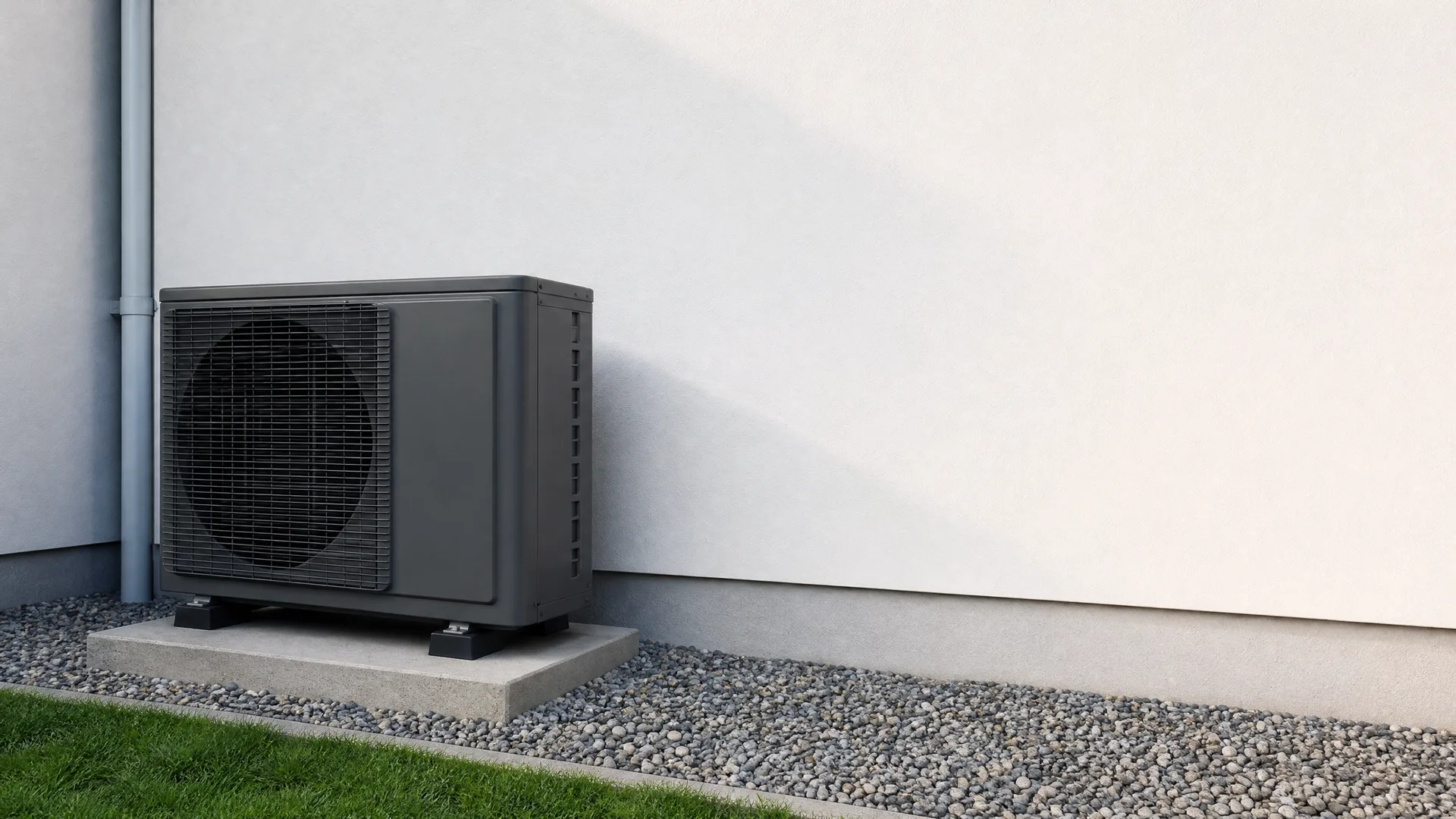
A dark grey air-source heat pump unit on a concrete pad beside a light-coloured rendered wall, surrounded by gravel with a strip of grass in the foreground and a downpipe at the left.

Keeping up with maintenance

A homeowner who schedules a tune-up every year or two tends to get a technician who checks the same things each visit and remembers what the unit looked like last time. That history matters when something does go wrong, because a tech who serviced the system in the spring has a baseline for what changed by fall. Refrigerant charge stays close to spec, the coils stay clean, and the backup strips stay backup instead of becoming the main source of heat on cold nights.

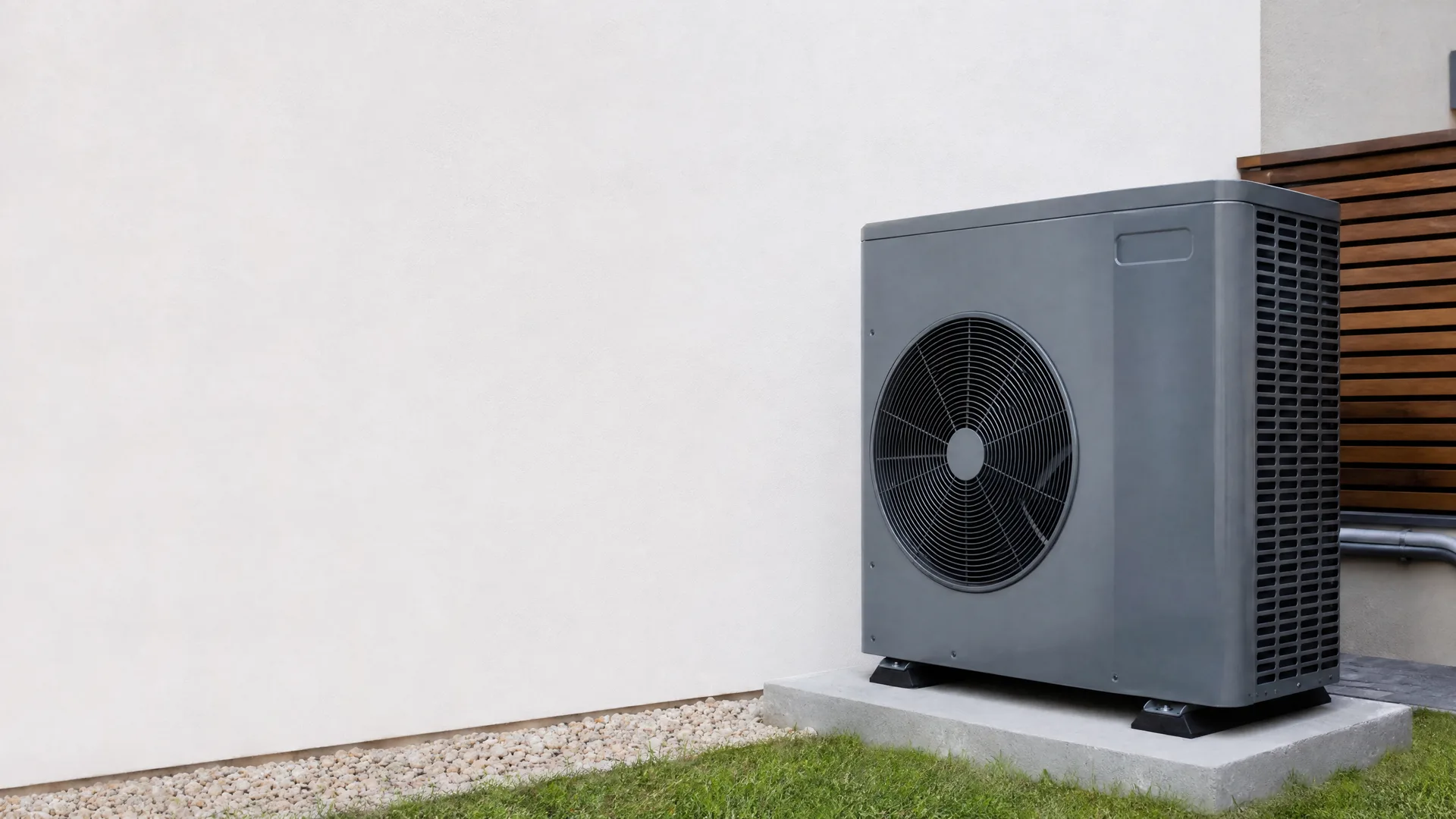
A gray outdoor heat pump unit on a concrete pad beside a white stuccoed wall, with gravel and grass in front and a wooden slat screen behind.

Skipping it for a few years

A system that goes without maintenance keeps running, which is part of the problem. Dust builds on the coil, charge drifts low, and none of it trips an alarm or shuts the unit down. It just costs more to run and leans harder on the electric strips when Mason's overnight temperatures drop into the 20s. By the time something fails outright, whatever caused it has usually been building for more than one winter.

A man in a blue sweatshirt and cap carries a red and black tool bag up a paved walkway toward a house entrance where another man in a tan sweater stands in the open doorway, with stone-clad columns, wall lights, and potted mums nearby.

A heat pump in Mason earns its tune-up twice a year

A heat pump running your house through a Mason summer and a Warren County winter needs its charge checked and its coils clean to do both jobs without leaning on backup strips that cost more to run. That is the whole answer. Skip it and the system still runs, just harder, and you pay for that in the months it works the most.

Getting that checked doesn't mean spending an afternoon calling around, explaining your unit to three different companies, and sorting through quotes that don't match up. It means getting matched with a contractor who knows what a heat pump in this area is up against and having them reach out to set up a time that works for you. You already know what your system has been doing lately. The next step is just getting someone qualified to look at it.

A living room corner with a beige upholstered armchair holding navy and striped cushions, a small round wooden side table with a carved bowl and a potted green plant, a framed landscape picture on a pale wall, built-in shelving, and a curtained window.
A shingled gable roof with a stone chimney in the foreground overlooks a wooded valley with a winding river and flat farmland under a hazy orange sky at dusk.

Find a heat pump maintenance pro in Warren County

Skip the calls

No fee to send it, and nothing to sign.

A heat pump that's low on charge or caked with dirt won't tell you outright. It just runs longer, leans on the backup strips more, and shows up on the power bill. A tune-up catches that before another Mason winter asks the system for more than it can give.