

What winter here does to a heat pump
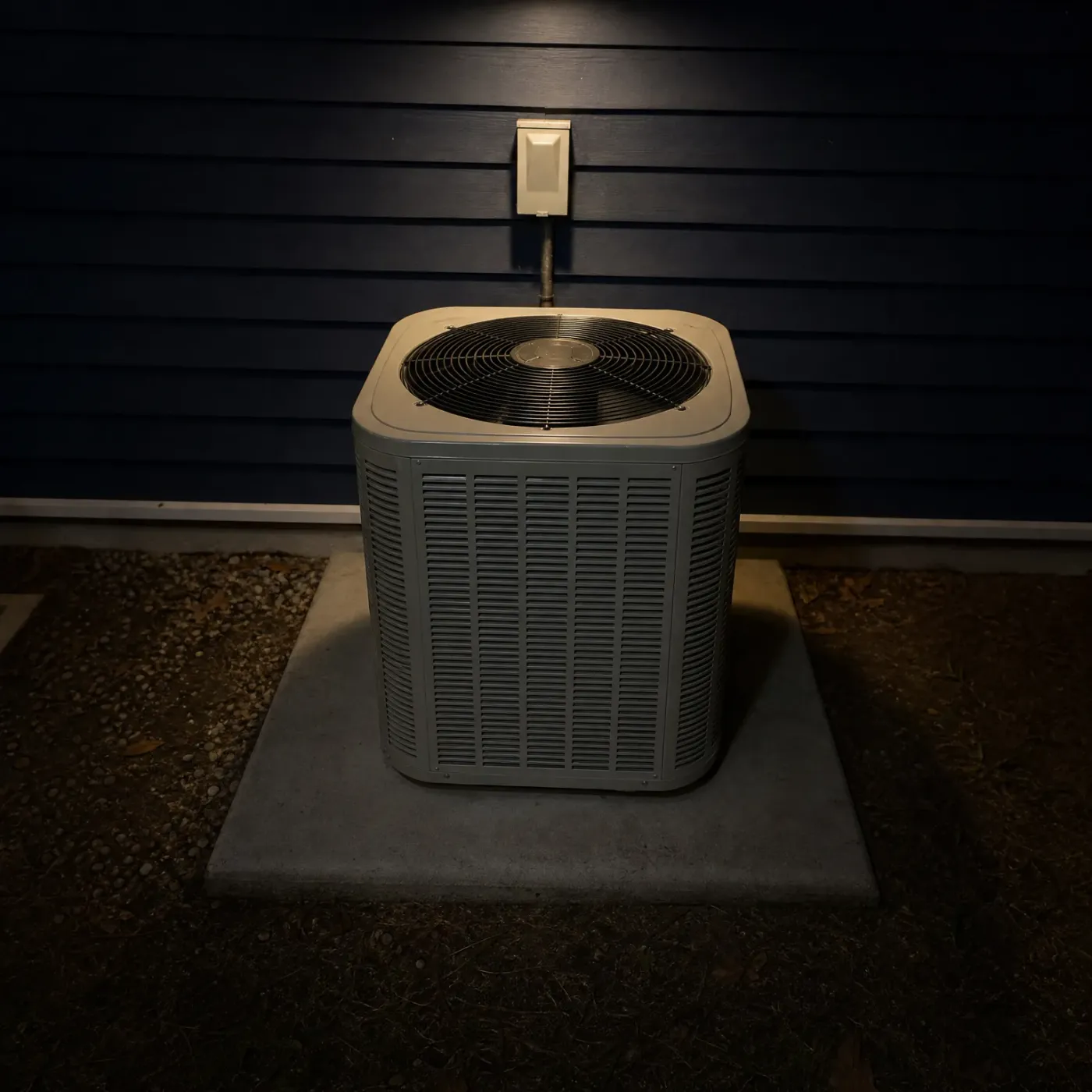
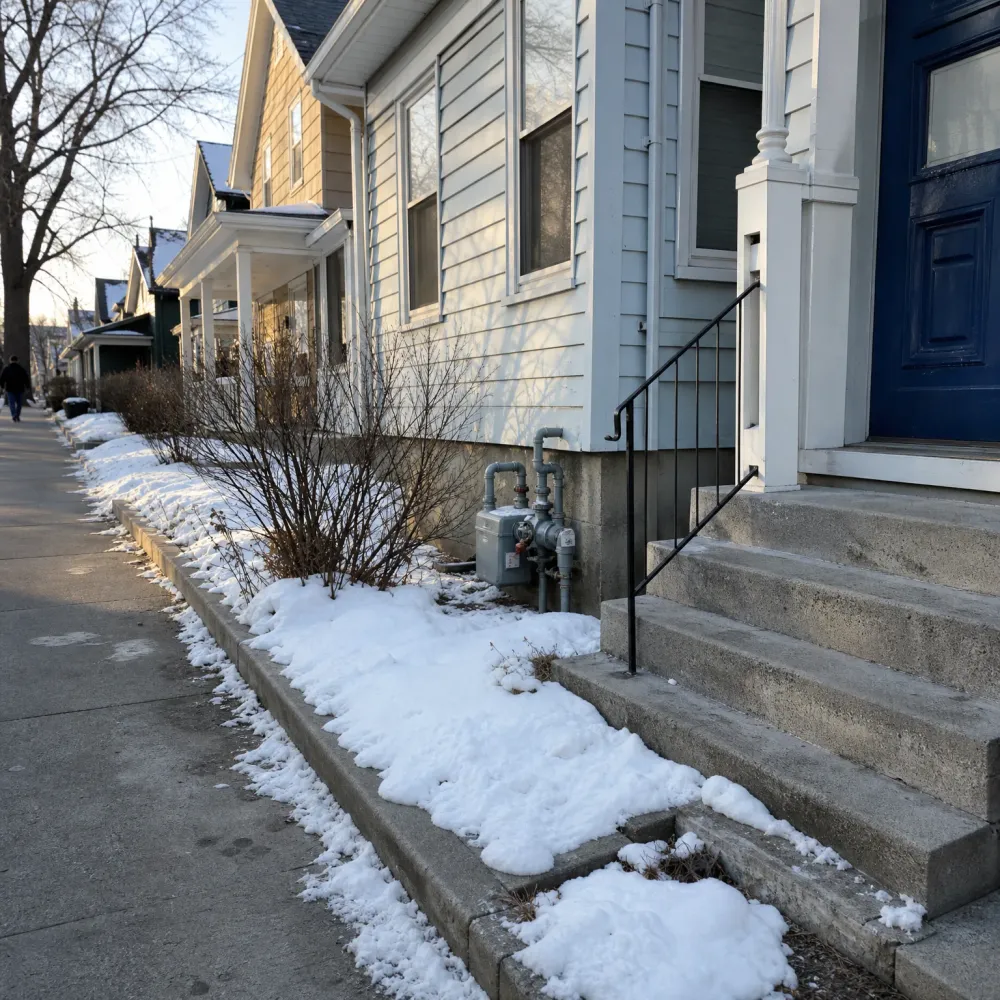
Your winter low here averages 20°F, and that number matters more than any spec sheet. A standard heat pump starts losing heating capacity below 40°F, and by about 35°F it usually needs backup heat to keep up. Twenty degrees is below both marks. So is every one of the roughly 130 nights a year here that drop to freezing or below, which is more than half the nights across the eight months your heat runs.
That doesn't mean a heat pump leaves you cold. Cold climate models carry a real test behind the name: to earn that label, a heat pump has to deliver at least 1.75 units of heat per unit of electricity at 5°F, and hold onto 70 percent of its warm-weather capacity at that temperature, checked by outside testing. Field tests back this up. Over two winters of watching prototype cold climate heat pumps in real homes, backup heat covered only a small share of the output between 0°F and 35°F, and running on backup alone was rare even above 0°F. Richland County only sees about 6 nights a year that cold. A heat pump built for this, not the federal minimum one priced in the band above, is the one that makes sense here.