 Let a pro reach out
Is a heat pump enough for winter in Salem, OH
Send the form and stop researching installers for the new heat pump.
A heat pump can heat a home through a Salem winter, but below a certain outdoor temperature it starts losing ground. Most heat pumps need backup heat for the coldest stretches of January and February, usually electric resistance coils or a gas furnace working alongside it. Whether yours is set up that way, and whether that backup is sized right for how cold it gets here, makes the difference between a house that stays warm and one that doesn't.
Most homes in Columbiana County heat with gas, and gas is cheaper here than the electricity a heat pump's backup heat runs on. If your heat pump is leaning hard on electric strips every time it gets cold, that shows up on the bill. A dual fuel setup, heat pump paired with a gas furnace that takes over below a set temperature, is worth asking about if you haven't already.
Figuring out whether your system is set up right isn't a weekend project. It means someone who can look at what you have, what it's paired with, and what this winter actually asks of it, then tell you straight whether it's enough or whether something needs to change. That's not a phone call you want to make five times to five different companies, explaining the same thing each time and waiting on quotes that don't quite compare.
Send the form below and that search is done. No calling around, no repeating yourself, no sorting through quotes that don't match up. A contractor who installs and sets up heat pump systems in this area takes it from there, looks at what you're working with, and tells you what it needs.
A heat pump alone usually isn't enough to get a Salem home through January and February. Once outdoor temperatures drop into the teens and below, a heat pump has to work harder to pull heat out of the air, and it can't keep up with how fast a house loses heat on the coldest nights. That's why most heat pumps here are paired with backup heat, either electric resistance coils built into the system or a gas furnace that takes over when temperatures fall too low for the heat pump to handle on its own. Without that backup, you'd notice the house struggling to hold its temperature exactly when you need heat most. If your heat pump already has backup heat installed, it's likely sized to cover the gap. If it doesn't, or you're not sure, that's worth having checked before the next cold stretch hits.


A heat pump doesn't make heat the way a furnace does. It pulls heat out of the outside air and moves it inside, even when that air is cold, because cold air still holds some heat to collect. The colder it gets outside, the less there is to pull, so the unit has to work harder for less result. When the outdoor coil frosts over, which happens in cold, damp weather, the system briefly runs in reverse to melt the ice off. For those few minutes it's actually pulling heat from inside the house, not adding it, which is exactly when backup heat needs to step in. If the thermostat is set up for dual fuel, it hands things over to a gas furnace once the outdoor temperature drops below what the heat pump can manage on its own. Some systems use electric resistance coils instead of a furnace. Those heat the air instantly, but they draw a lot more power than the heat pump's compressor ever does, which shows up on the electric bill fast.
How a heat pump actually works
- A heat pump moves heat from the outside air into the house instead of burning fuel to create it.
- As the outdoor temperature falls, there's less heat in the air to collect, so the unit's output drops.
- The outdoor coil can frost over in cold, damp weather, so the system runs a defrost cycle that briefly reverses itself to melt the ice.
- During defrost the heat pump is cooling the house for a few minutes, which is why backup heat kicks in to cover that gap.
- A thermostat set up for dual fuel switches to the gas furnace once outdoor temperatures drop below the point the heat pump can handle alone.
- Electric resistance coils, where installed instead of a furnace, heat instantly but pull far more power than the heat pump's compressor does.




Send one request and you're done looking
If your heat pump has been losing ground on the cold mornings, or you're not sure the backup heat is kicking in when it should, sorting that out yourself means calling around to contractors, explaining the system you have, and waiting on quotes to compare. A heat pump that's sized right for a Salem winter, with backup heat that's actually set up to carry the load in January and February, is a different system than one that was never matched to what this area needs. Figuring out which one you have, and what it would take to fix it, is a job for someone who can look at the equipment directly. Send the request and that work is off your plate. You won't be the one tracking down who's available or sitting through a round of sales calls to find out. Someone who installs these systems for homes around Columbiana County takes it from there.
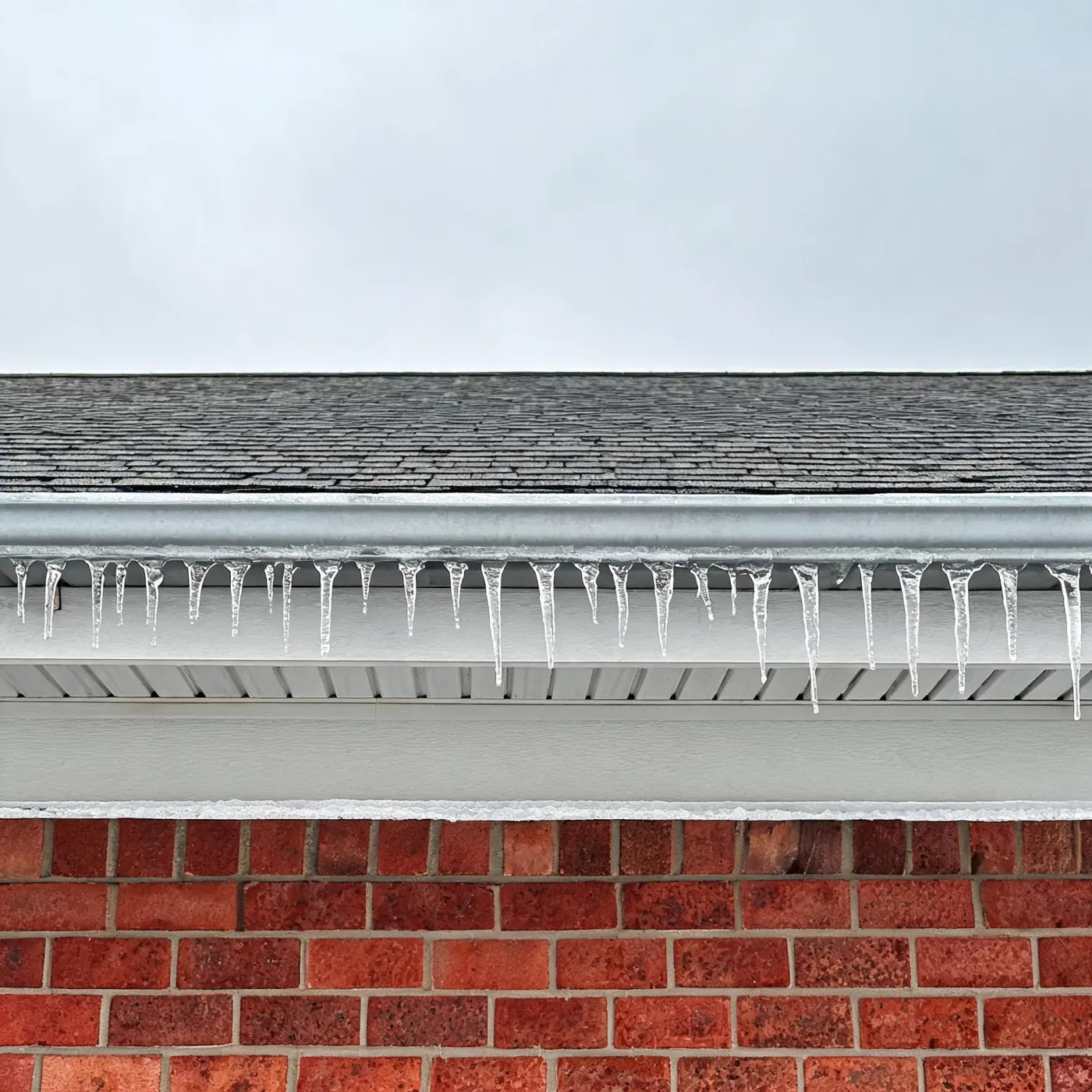
Winter nights around Columbiana County average 22°F, according to NOAA climate data for December through February. That's above the point where most heat pumps lose their edge, but it's not far above it. On a night like that, the outdoor unit is pulling what little heat it can out of cold air, and the compressor runs long stretches without shutting off. You'll notice the air coming from the vents feels cooler than it does in fall, even though it's still working. If the backup heat isn't stepping in on the colder nights that follow, that's when the house starts to fall behind.
NOAA nClimDiv 1991-2020


So Is It Enough
- A heat pump can carry a Salem home most of the winter on its own, but not all of it.
- Backup heat has to come on when the outdoor temperature drops into the teens and below for the house to keep up.
- A heat pump with no working backup heat, or backup heat that isn't set up right, leaves a home short on the coldest nights.
- Whether your system is enough depends on whether the backup heat is sized right and switching on when it should.
- Checking that yourself means calling around to contractors, explaining your system, and waiting on quotes to compare before anyone looks at it.
A heat pump in Salem does most of the job. It covers the fall, the spring, and plenty of winter days in between. What it can't do on its own is get a house through a stretch of 15 degree mornings without help. That's not a flaw in the equipment, it's how the equipment works. The heat pump pulls warmth from outside air, and past a certain point there isn't enough of it to pull. Backup heat is what fills that gap, and the question that actually matters isn't whether you have a heat pump, it's whether the backup heat is sized for your house and coming on at the right outdoor temperature. A system where that's set up right will keep the house warm on the coldest morning of the year. One where it isn't, whether the backup is undersized, wired wrong, or just not switching on when it should, will fall behind on exactly the nights you need it most, and the house will slowly lose ground until someone notices the thermostat isn't catching up.
Figuring out which one you have means getting under the hood of a system you didn't install and don't service yourself. Most homeowners start by calling a few contractors, describing the equipment, explaining what it's been doing on cold mornings, and waiting for quotes to come back before anyone's even looked at the unit. That's the part that takes the time, not the fix itself.

Heat Pump Installation
Finding a pro stops being your job

- Your new heat pump project goes to an installer who works in Columbiana County.
- Get matched with someone who does this kind of work in Columbiana County.

- Send the request and finding a pro stops being your problem.
- After this form, you can stop searching for a heat pump pro.

- Describe the project once instead of to every installer.
- Explain the job once and skip repeating it on every call.

- A licensed installer who works in Columbiana County gets your project.
- One installer gets your project, so there's no bidding war over it.