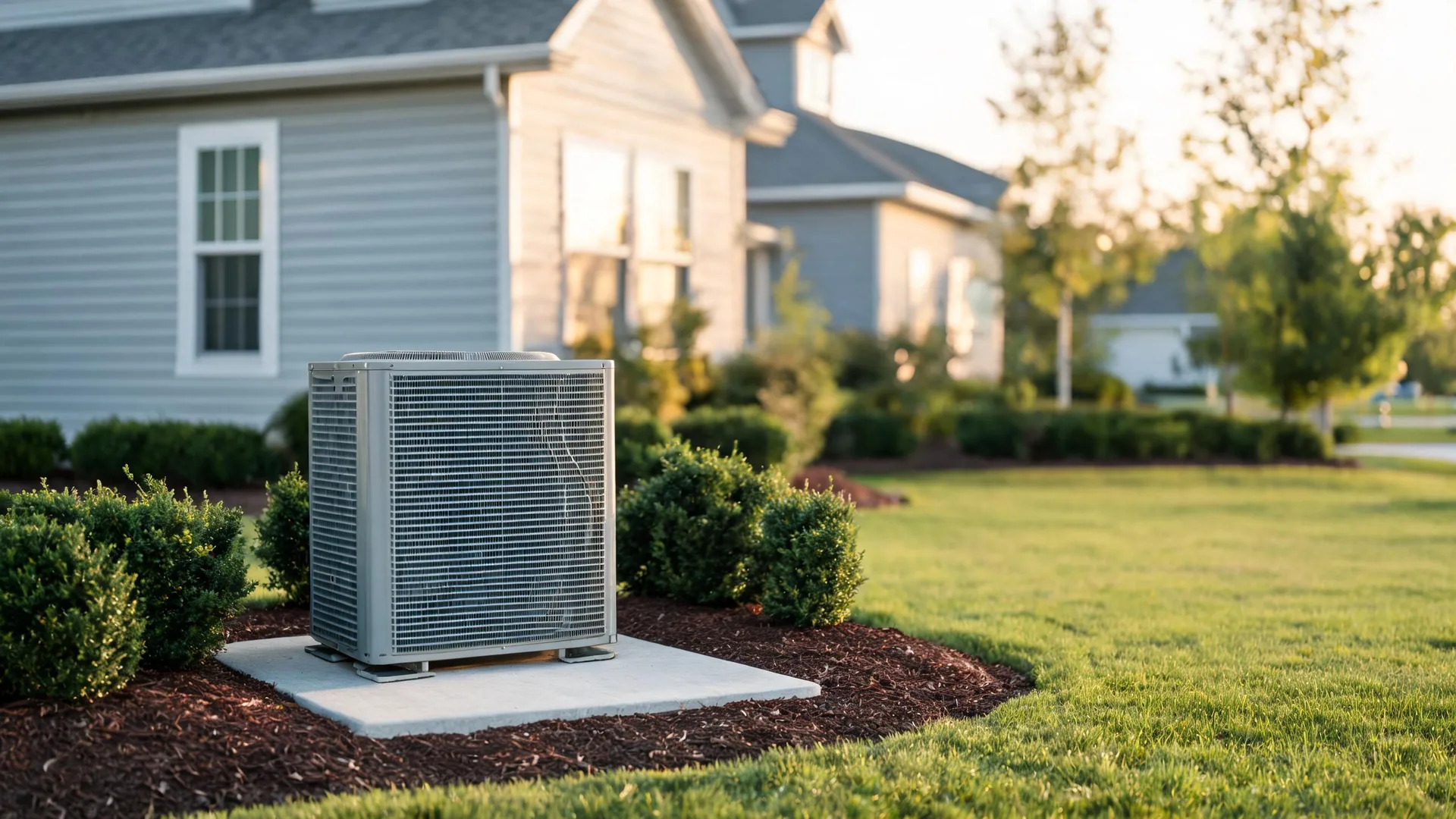
Electricity here runs 17.65 cents per kilowatt-hour
That is higher than what most US counties pay. A heat pump runs on electricity for both heating and cooling, so that rate applies no matter the season.
Takes about a minute. No obligation.
That is higher than what most US counties pay. A heat pump runs on electricity for both heating and cooling, so that rate applies no matter the season.
At this rate, a system that runs efficiently and one that doesn't will show it on the bill, not just on the hardest days of the year.
NOAA nClimDiv, 1991–2020 normals
Delaware County winters are cold enough that heating is the bigger job here, not cooling.
A heat pump that holds up through the cold months matters more here than one built to chase down a heat wave.




Delaware County falls under zone 5A in the 2021 energy code, a zone where heating carries most of the load and humidity stays part of the picture. Any split-system heat pump installed here, if built on or after January 1, 2023, has to clear a federal floor: at least 14.3 Btu of heat moved per watt-hour of electricity over the summer, and at least 7.5 Btu per watt-hour over the winter. That second number is the one that matters more in this county. A unit can only go in if it meets both, so the baseline itself rules out the weakest equipment before a homeowner even starts comparing models.
The rate here applies to heating and cooling both, so it works on the system twice a year. Picking equipment that clears the efficiency floor by more than the minimum is what keeps that rate from working against you.
Find a contractor
A heat pump here spends most of the year holding a house at a comfortable temperature, not fighting extremes. Delaware County sees wind damage and hail some years, but nothing about the climate itself runs equipment harder than normal. When a heat pump installed here breaks down early, age or a missed service visit is usually why, not the workload. That's worth knowing when you're comparing units: you don't need to pay up for the highest-efficiency model on the shelf to get a system that holds up. You need one that's sized right and gets serviced on schedule.
A heat pump has to be sized to the house with a load calculation, room by room. One sized too big short cycles, turning on and off before it ever settles into a steady run, and that wears the compressor early. One sized too small runs flat out and still can't keep up on the coldest days. Either mistake costs more every month than the equipment itself does.
The unit is only part of what you're paying for. Setting the refrigerant lines, sealing and sizing the ductwork, wiring the electrical disconnect, and commissioning the system so it runs at the charge and airflow it was built for all take skilled labor. A heat pump installed carelessly will underperform even if the equipment itself is top shelf.
The old equipment doesn't get left in place. A heat pump install means pulling out the existing furnace or air conditioner, or both, along with the indoor coil, and the old refrigerant lines usually get replaced rather than reused. Refrigerant left in the old lines has to be recovered, not vented, and that's the law, not just good practice. If the old system ran on a different refrigerant than the new one calls for, the lines get swapped out entirely rather than cleaned and repurposed. The electrical disconnect and circuit often need to change too, since a heat pump can draw differently than what was there before. None of this is optional groundwork. It's what has to happen before the new system ever gets switched on.
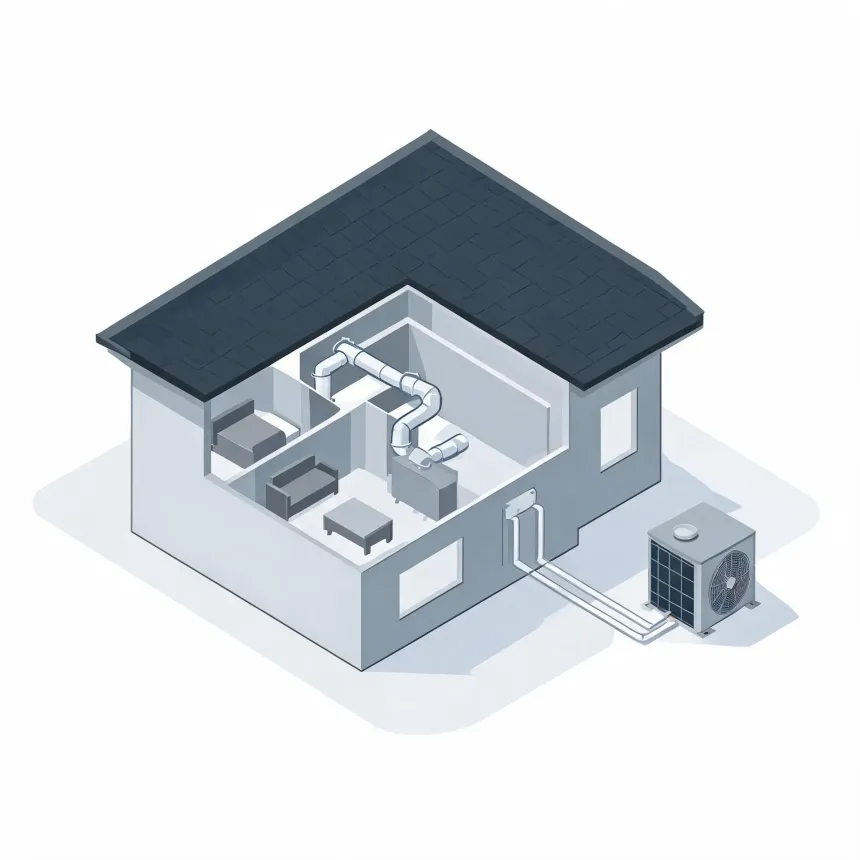
Installation day starts with the old equipment coming out, and that takes longer than most homeowners expect. Once the space is clear, the indoor coil and air handler or furnace go in first, since the ductwork connects there. Outside, the new unit gets set on a pad, leveled, and connected with refrigerant lines that have to be brazed, pressure tested, and checked for leaks before anything gets charged. The crew pulls a vacuum on the line set to clear out moisture and air, because either one left behind will damage the compressor over time. Only after that does the system get its refrigerant charge, weighed in to the amount the manufacturer specifies rather than eyeballed. The last step is commissioning: checking airflow at the vents, confirming the charge against temperature and pressure readings, and setting the thermostat to run the system the way it was designed to. A heat pump that skips this last part might start up fine and still run wrong for years.