




A quiet residential street at dusk lined with illuminated two-story brick houses and mature trees.

Furnace Maintenance in Chardon, OH

Tell us about the job

Takes about a minute. No obligation.

Tune-up, service, or cleaningFurnace or heatingGeauga County, OH
Step 1 of 2

What ZIP code is the job in?

Eight months of heat is a long stretch for one machine to carry. October through May, the furnace in a Chardon home is the thing standing between the house and the cold, and it doesn't get much of a break in between. That kind of run time wears on parts that a furnace in a milder state might not touch until much later. The igniter, the blower motor, the flame sensor all put in more hours here. Once a part is close to worn out, it tends to fail early in the season, right when the furnace first has to work for real.

A quick tune-up checks that the furnace turns on and the flame looks right.

A thorough one pulls the burners, checks the flame sensor's reading, and tests the gas pressure against what the furnace calls for.

Most furnaces here run on gas, which means a flame and a vent to check, not just a filter

60.5% of homes heat with gas
Heat runs October through May
Winter nights average 21°F

October is when heat starts in Geauga County, and it's also when the furnace gets asked to do real work with no warm-up. September is the better time for a tune-up, while the furnace is sitting idle and a tech can check it without the house depending on it that day. Wait until October and any problem the furnace has becomes a problem you have too, on a night when the low is already dropping toward freezing. A furnace checked in September heads into eight months of running with nothing unresolved. Catching a weak part before that stretch starts matters more here than in a place where the furnace only has to make it through a few cold weeks.

Have the furnace checked before it has to carry the season

A part that's close to worn out tends to show it early, as soon as the furnace has to run for real. A tune-up now catches that before October asks the furnace to work.

Find a contractor
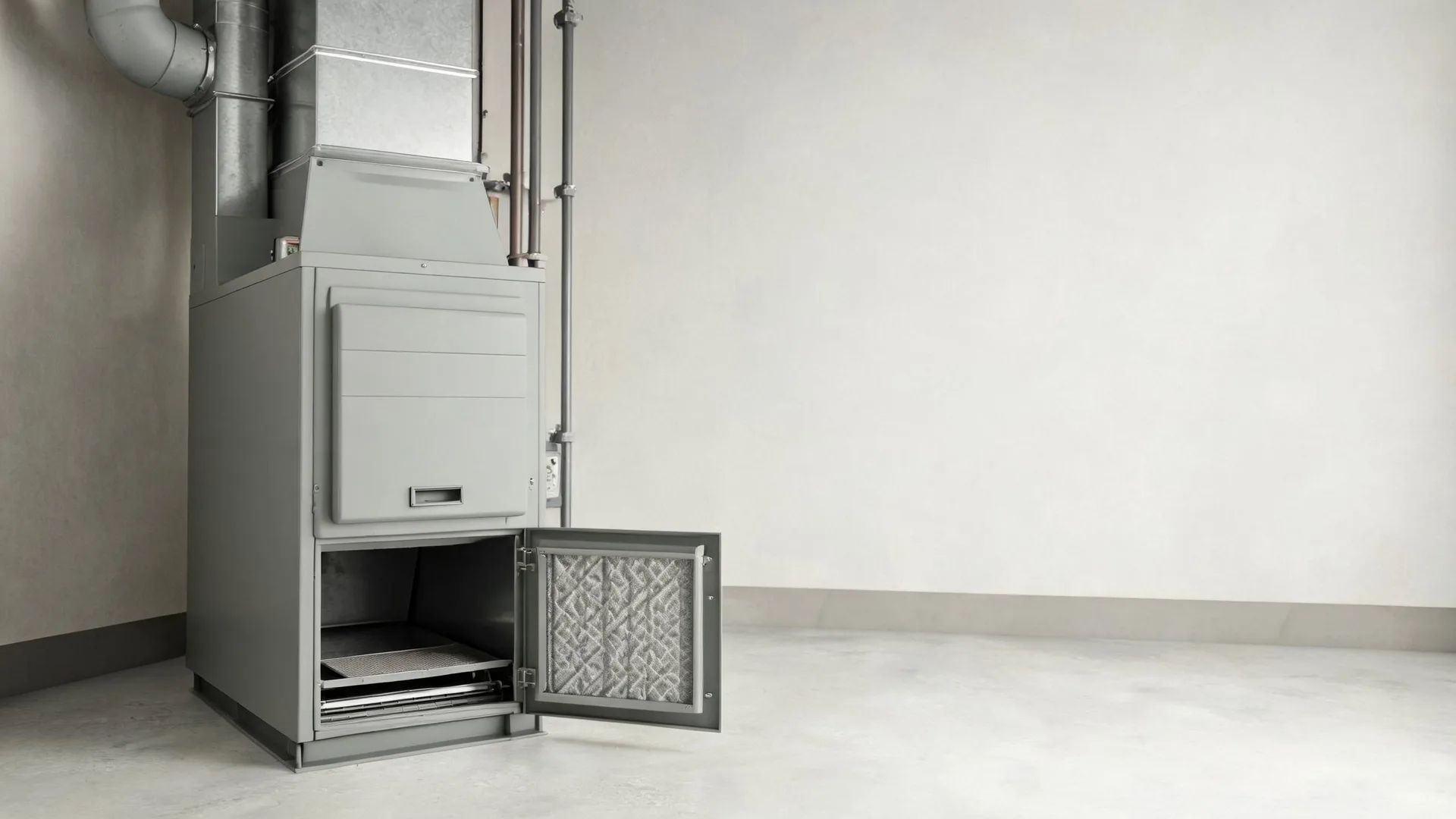
A gray gas furnace with attached ductwork and piping installed in an unfinished concrete basement.

What a running furnace doesn't tell you

A furnace can light every time, heat the house, and still be hiding a problem. The flame sensor can be coated just enough to delay shutoff instead of causing one, which shortens its life without ever tripping a code. A blower wheel can be caked with dust so it moves less air than it should while sounding exactly the same. A crack in the heat exchanger makes no noise and no smell on its own. None of this shows up by watching the furnace run. It shows up when someone pulls the panel off, looks at the burner flame's color and shape, checks the flue for a strong draft, and tests the limit switch instead of just listening for the furnace to kick on.

A furnace that's never serviced still runs, until it doesn't

A furnace can go years without a tune-up and still light every day. Dust builds slowly on the blower wheel, the flame sensor picks up a film, the burners drift out of adjustment. None of it stops the furnace from running. It just makes the furnace work harder to do the same job, and that extra strain is what turns a part that should last years into one that fails partway through the season.
Skipped maintenance shows up as a no-heat call

When nobody checks a furnace, the first sign of trouble is usually the furnace not turning on. A flame sensor too coated to hold a signal, an igniter that finally gives out, a limit switch tripping because airflow dropped off months ago. A tune-up catches these while they're still small adjustments. Skip it, and the same issues turn into a repair call on a day the furnace was supposed to just work.

A furnace usually gives some warning before it quits. The burner flame should burn blue and steady, so a flame that looks yellow, flickers, or seems to lift off the burner means combustion isn't right. Short cycling, where the furnace turns on, runs a few minutes, and shuts off before the house warms up, often points to a dirty flame sensor or a limit switch tripping from poor airflow. A burning or metallic smell that doesn't fade after the first run of the season is worth paying attention to. So is a blower that sounds different than it used to, louder, rattling, or straining, since that can mean the motor bearings are wearing out or the wheel is caked with dust. Rooms heating unevenly, or the furnace running longer than it used to for the same temperature, both mean it's losing efficiency somewhere even if it hasn't failed yet.

A tune-up starts with power and gas shut off, so the tech can work on the furnace without it trying to run. The burners come out for a real cleaning, not a wipe down, since dust and lint there change how the flame burns. The flame sensor gets cleaned or tested, and the igniter gets checked for cracks or a weak glow, since both of those cause no-heat calls on their own. The blower wheel gets inspected for caked-on dust that cuts airflow without making any noise. The tech checks gas pressure against what the furnace is built to run on, because pressure that's drifted even a little changes how clean the flame burns. The heat exchanger gets looked over for cracks, since a cracked one can leak exhaust into the air the blower pushes through the house. Electrical connections get checked for anything loose or corroded, since a loose wire causes the same short cycling as a worn part.