
Furnace tune-up before winter in Chardon, OH

One form instead of hunting for a pro who does furnace tune-ups.

Answer a few questions

A furnace tune-up before winter means a contractor comes out and checks the burner, the igniter, the flame sensor, and the heat exchanger before you need the heat every day. Chardon winters run cold and long, and most homes here heat with gas, so the furnace is working hard from October well into spring. A furnace that sits unused all summer can have a cracked igniter, a dirty flame sensor, or a clogged filter you never noticed, and the first cold snap is when that shows up as a furnace that won't light or won't stay lit. A tune-up catches that while it's still an easy fix, not an emergency repair on the coldest night of the year. It also means the furnace is burning gas the way it's supposed to, instead of running longer or harder to make up for a part that's not working right.

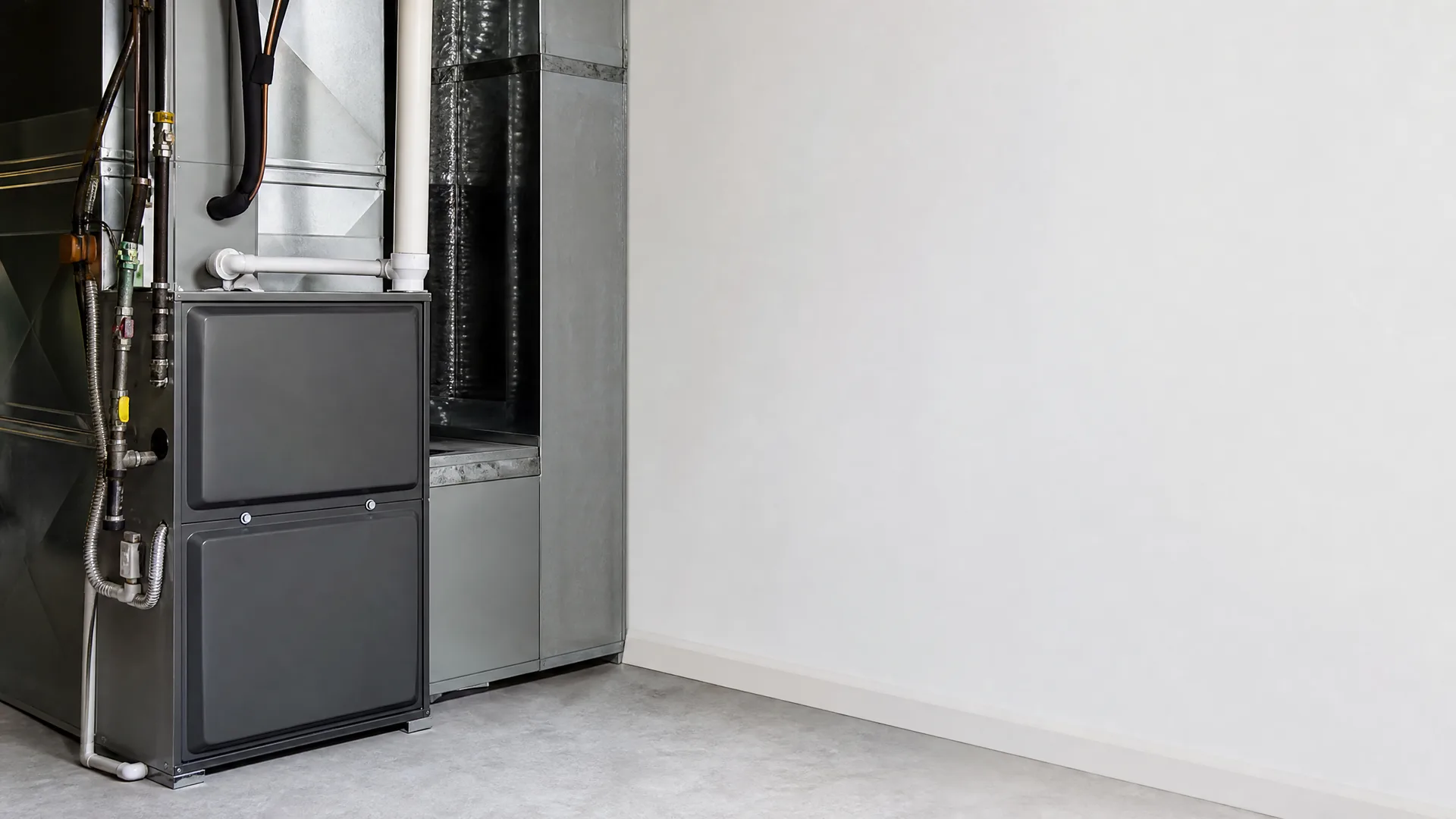
A dark gray furnace unit with connected ductwork, pipes and flexible hoses stands in the corner of an empty room with bare white walls and a concrete floor.

Why the flame sensor matters

The flame sensor is a thin metal rod near the burner that tells the furnace a flame is actually lit. If it builds up a film of soot over the summer sitting idle, it can misread the flame and shut the burner down. That shows up as a furnace that starts, runs a few seconds, then stops, over and over. Cleaning that rod is a small job during a tune-up, but it's the most common reason a gas furnace short-cycles once the cold sets in.

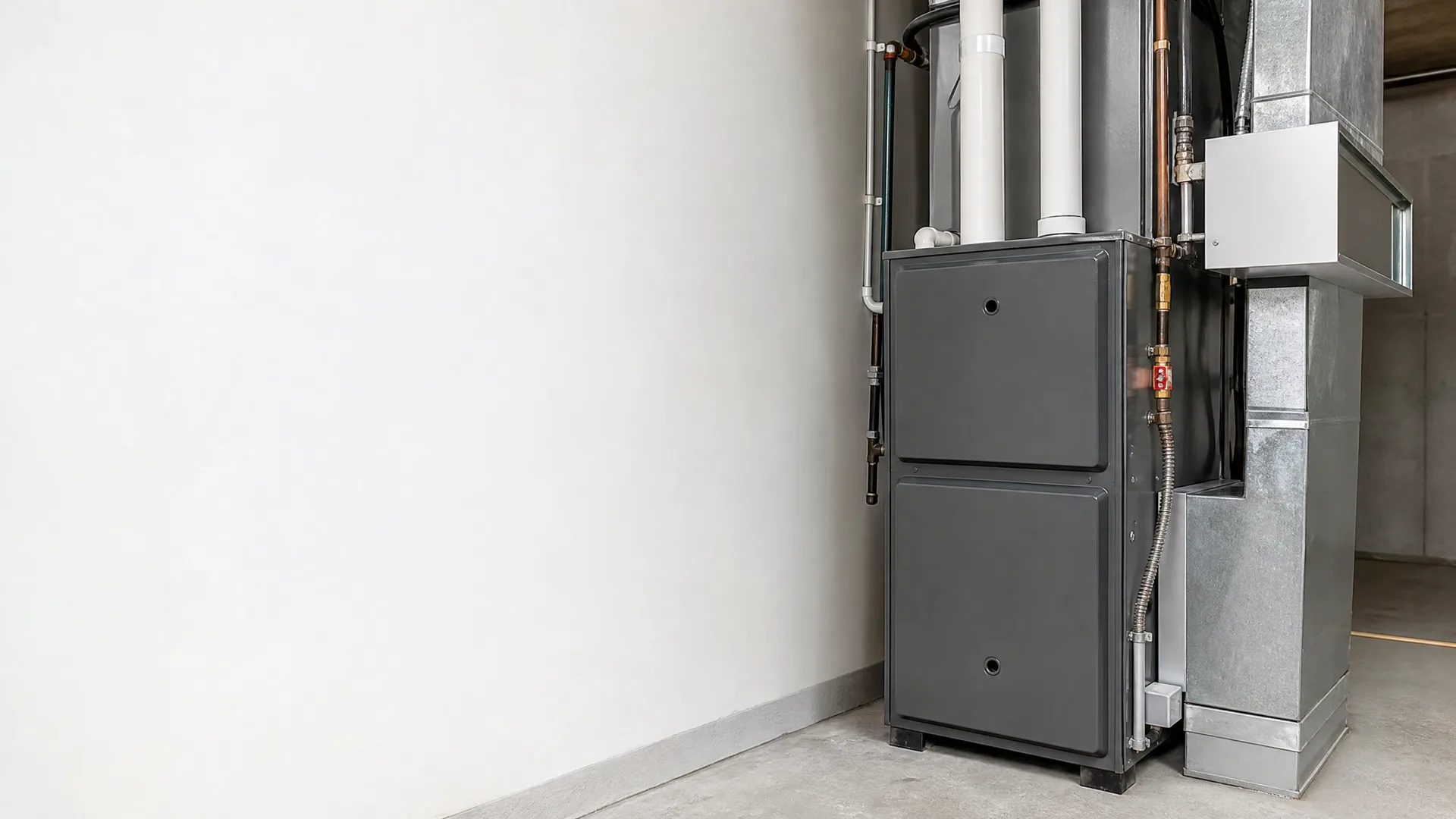
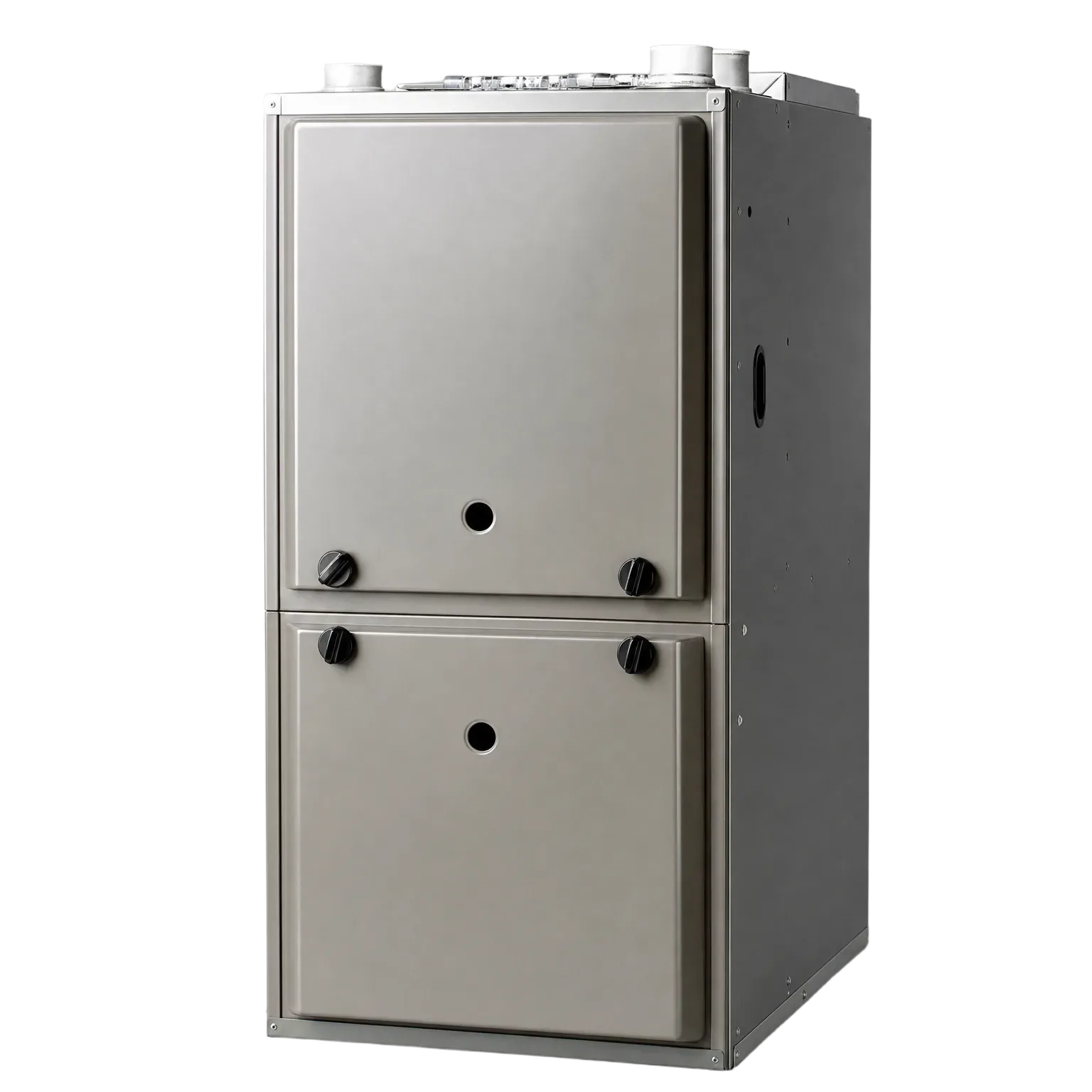
A gray high-efficiency furnace stands against a plain white wall in a concrete-floored utility room, connected to white PVC vent pipes, copper gas lines, and sheet-metal ductwork.

What the heat exchanger does

The heat exchanger is the metal chamber that separates the burning gas from the air moving through your ducts into the house. A crack in it can let combustion gas mix into the air you breathe, which is why a contractor checks it before winter rather than after. It's sealed metal, so this isn't something you can see without opening the furnace up and looking, and it's one reason the inspection matters more than running the furnace a few times and calling it good.

What exactly does the technician check during a furnace tune-up?

You want to know what you're actually paying for before you book someone to come out. A tune-up can mean a lot of things, and most homeowners never see what happens past the thermostat. You've already heard about the flame sensor. You want the full list, in the order it actually happens.

The technician works through the furnace in a set order, start to finish

A tune-up starts with the furnace off. The technician pulls the panel and looks at the burner flames themselves, checking that they burn blue and even rather than yellow or uneven, which points to a combustion problem. From there it's the igniter, tested for a clean glow or spark, and the flame sensor, cleaned if it's picked up a film. The heat exchanger gets checked for cracks, since a cracked one can let exhaust mix with the air moving through your ducts. The technician also checks the blower motor, tests the gas pressure at the valve, and looks at the vent pipe to make sure exhaust has a clear path outside. Last comes a full cycle test, watching the furnace start, run, and shut off the way it should.

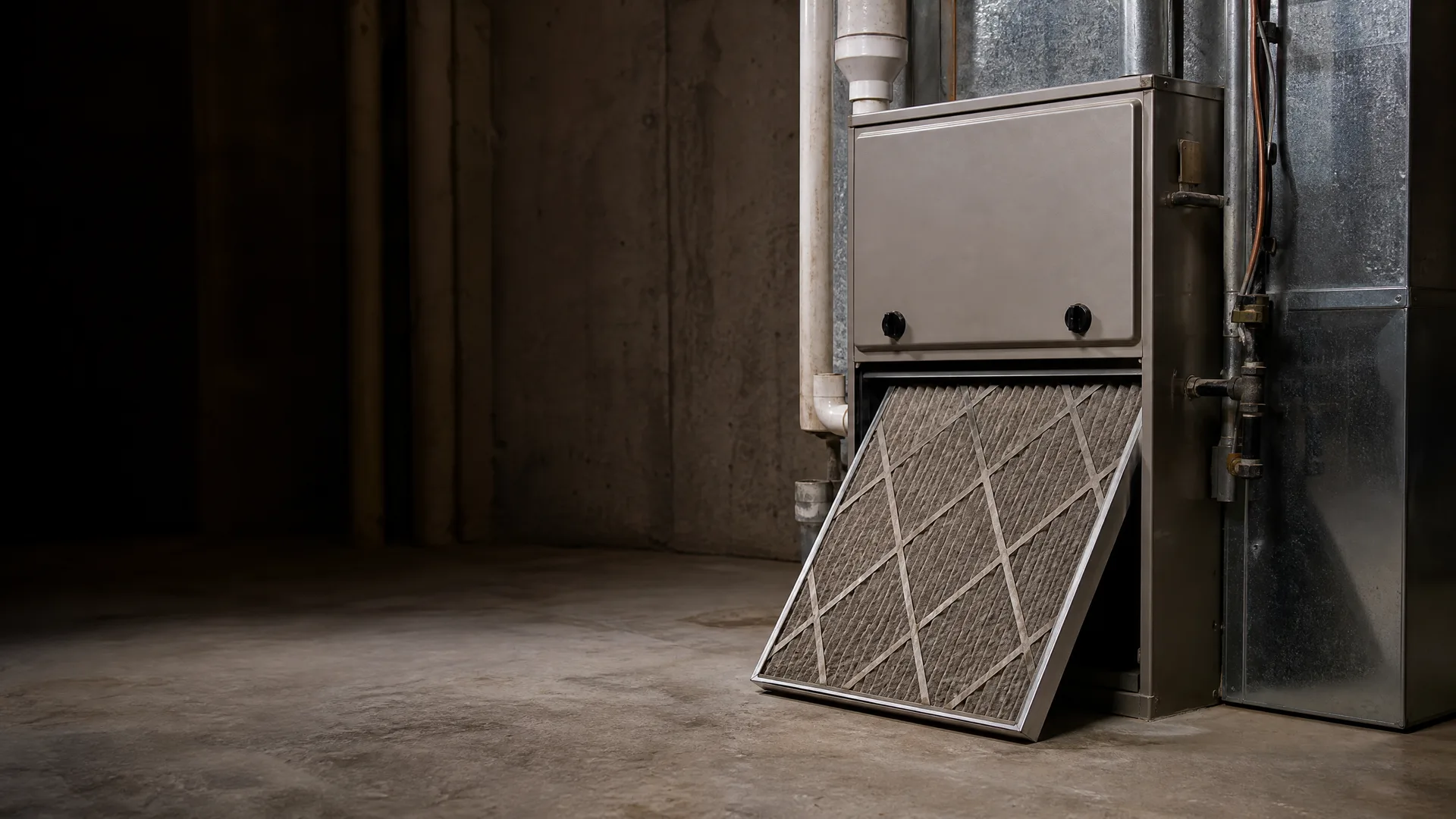
A dirty pleated air filter leans against a furnace with metal ductwork in a dim concrete basement.

You're down in the basement on a Saturday afternoon in October, pulling the filter to see how bad it is before the cold really sets in. It slides out grey, matted with a summer of dust, and you hold it up to the bulb overhead to check how much light gets through. Not much does. The furnace sits quiet behind you, waiting on the thermostat. You think about calling someone before November hits, then think about the last time you needed a contractor for anything: the search, the calls that didn't get returned, explaining the same thing three times to three different people before anyone showed up. You set the filter on the dryer and go look for a new one instead.

Skip calling around

A licensed local pro takes the request for your furnace tune-up.

It costs nothing to send, and you don't have to hire anyone.

Booking the tune-up now

You call before the first cold snap, while a technician can still get to your house on a normal schedule. They go through the burner, the igniter, the flame sensor, the heat exchanger, with no pressure and no space heater running in the living room while you wait. If something's worn, like a cracked igniter or a sensor that needs cleaning, it gets handled on the spot or ordered in time to fix before you need the furnace every day. You pick the day. Nobody's cold in the meantime.


Waiting until it breaks

The furnace quits on a night when it's already in the teens outside, and now you're calling around trying to find someone who can come same-day, not next week. Whoever answers first gets the job, whether or not they know your equipment. You're paying for an emergency call instead of a scheduled one, and you're doing it with your family cold and the pipes at risk if it drags on. The same burner and igniter checks happen either way. The difference is whether they happen on your schedule or a crisis.

How cold does it actually get here, and how long does the furnace run?

  • Winter nights average 21°F

    Overnight lows average 21°F through December, January and February, so the furnace is working against real cold, not just a chill, most winter nights.

  • Heat runs October through May

    Heat runs here from October through May, about eight months of the year, which is a lot of hours for a worn igniter or a dirty flame sensor to fail on you.

  • 60.5% of homes heat with gas

    60.5% of homes in Geauga County heat with gas, so a tune-up here usually means checking a gas burner and gas furnace, not an electric system.

NOAA nClimDiv 1991-2020 · ACS 2020-2024

What a Tune-Up Actually Tests

  • Heat exchanger cracks often start small, and the only way to find one is a visual check with a mirror and light, not a sensor.
  • A furnace that short-cycles, turning on and off every few minutes, usually points to a clogged filter or a failing limit switch.
  • Gas pressure gets tested at the manifold, since too high or too low a pressure changes how clean the burner flame actually burns.
  • The inducer motor has to pull exhaust out before the igniter fires, and a weak one can delay startup or trip a safety switch.
  • Static pressure readings tell a technician whether the ductwork is fighting the blower harder than it should.
  • Carbon monoxide gets tested at the heat exchanger and again near the return air, since a leak doesn't always show up in just one spot.

A tune-up is partly a visual job and partly a set of measurements, and the two catch different problems. The heat exchanger gets checked by eye, with a mirror and a light, because a hairline crack won't trip any sensor on its own. If the furnace is cycling on and off every few minutes instead of running a normal stretch, a technician is going to pull the filter first and check the limit switch next, since those are the two usual causes. Gas pressure gets measured at the manifold with a gauge. Too high and the flame burns dirty, too low and it burns weak, and either one changes how the furnace performs over a full winter of use. Before the igniter can fire, the inducer motor has to clear exhaust out of the heat exchanger. If that motor is weak, startup gets delayed or a safety switch trips and shuts the whole thing down before it starts. A static pressure reading, taken with a manometer at the supply and return, shows whether the ductwork is making the blower work harder than it's built to. And carbon monoxide gets tested in two places, at the heat exchanger and again near the return air, because a leak can show up near the firebox and not the return, or the other way around. None of this is visible from the thermostat, and none of it gets checked unless someone goes looking.

A smiling woman with long brown hair in a cream sweater sits at a stone counter with a glass of red wine, with a dimly lit living room, beamed ceiling and glass doors behind her.
A woman with shoulder-length dark wavy hair in a beige sweater laughs while looking off to the side, seated at a white marble counter with a glass of red wine, in a dimly lit home interior with a kitchen and sofa in the background.
A smiling woman with long dark hair in a black sweater sits at a white marble counter with a glass of red wine, in a dimly lit kitchen and living area with pendant lights, a potted plant, and flowers.
A smiling woman with long brown hair in a light knit sweater sits at a stone-topped counter with a glass of white wine, with a dimly lit living room, sofa, fireplace and round mirror behind her.

Tune-up now

A technician checks the burner, the igniter and the heat exchanger before you're relying on the furnace every day. Any problem gets caught while there's still time to fix it without rushing.

Start one form

No tune-up, first cold snap arrives

The furnace gets asked to run hard with whatever's wrong with it still wrong. A cracked heat exchanger or a dirty flame sensor shows up as a breakdown, not a line item on a service visit.

Start one form
A smiling bearded man in a dark sweater sits at a dinner table with lit candles, a glass of red wine, and bowls of food, in a dimly lit room with a lamp and houseplant behind him.
A woman with dark hair in a bun sits on a beige sofa under a knit blanket with her eyes closed and an open book in front of her, with a lit lamp and houseplant in the background.
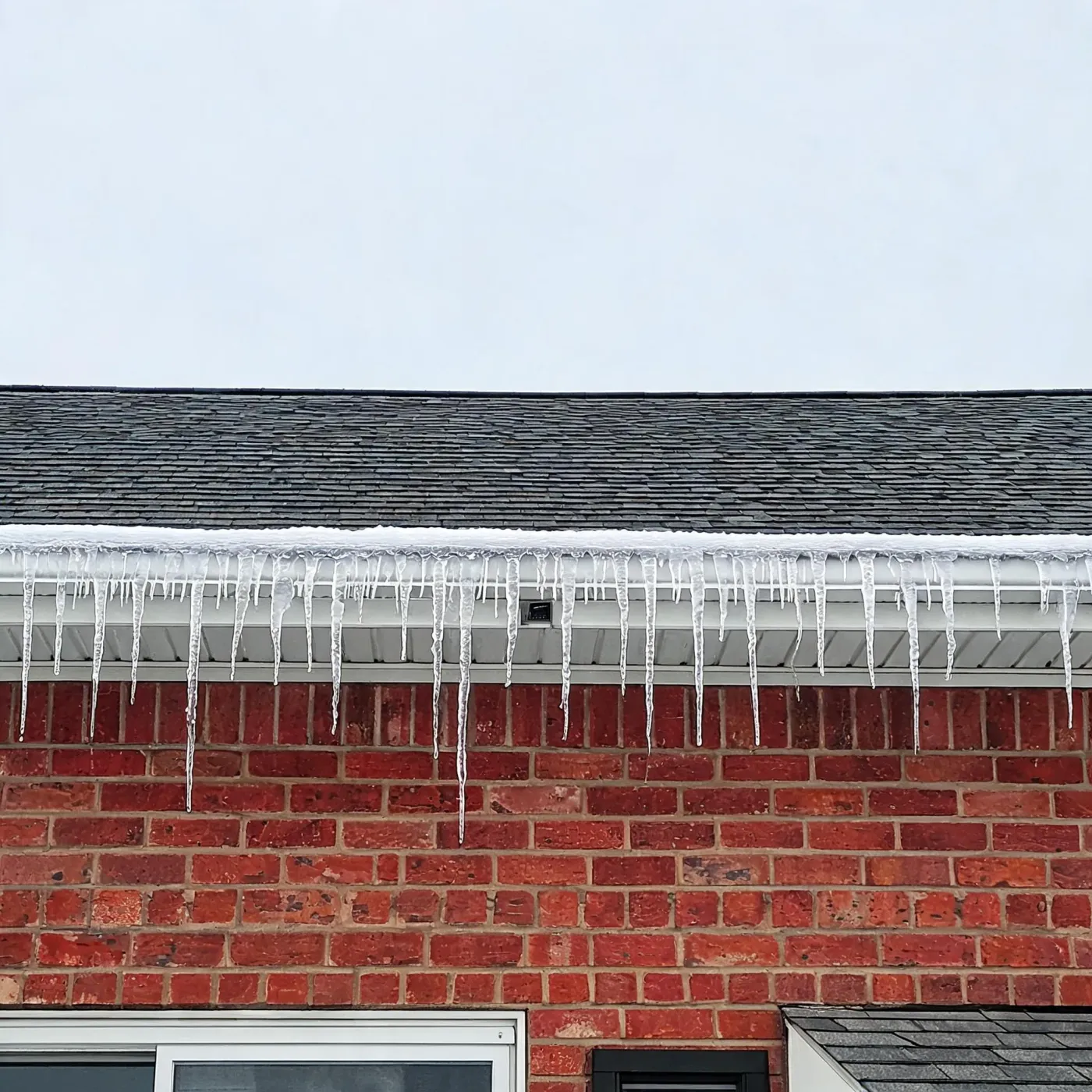
Icicles hang from a white gutter along the eave of a shingled roof above a red brick wall, with an overcast white sky above.

Nights here average 21°F through December, January and February, per NOAA data for Geauga County. That's the temperature your furnace is working against most of the winter, not for an hour or two, but night after night. A furnace that's low on airflow or running a weak flame sensor can still keep up when it's 35 degrees out. At 21, there's no margin, and that's when a small problem turns into cold rooms and a service call at the worst possible time.

NOAA nClimDiv 1991-2020

A closed laptop and a ceramic mug on a wooden table in front of a kitchen with green cabinets, marble counter, black pot, cutting board, wooden bowl, and a white vase with greenery.

Have it checked before you need it

A furnace tune-up before winter comes down to one thing: a technician looks at the burner, the igniter, the flame sensor, and the heat exchanger while there's still time to fix whatever turns up. That's the whole answer. Everything else is detail on how each part fails and what it looks like when it does.

Finding someone to do it is the other half of the job, and it's the part you can skip. Instead of calling around Geauga County, explaining the same thing to three different companies, and sorting through quotes that aren't quite comparable, you tell a local contractor once what you need. One licensed technician who works on furnaces all winter in this area, not three strangers competing for the job. You know where the furnace stands, and you're not the one chasing it down.

A living room corner with a light beige sofa holding a textured taupe cushion, a large ceramic vase of olive branches by a window, a framed neutral artwork on the wall, and a dark bowl with stacked books in the foreground.
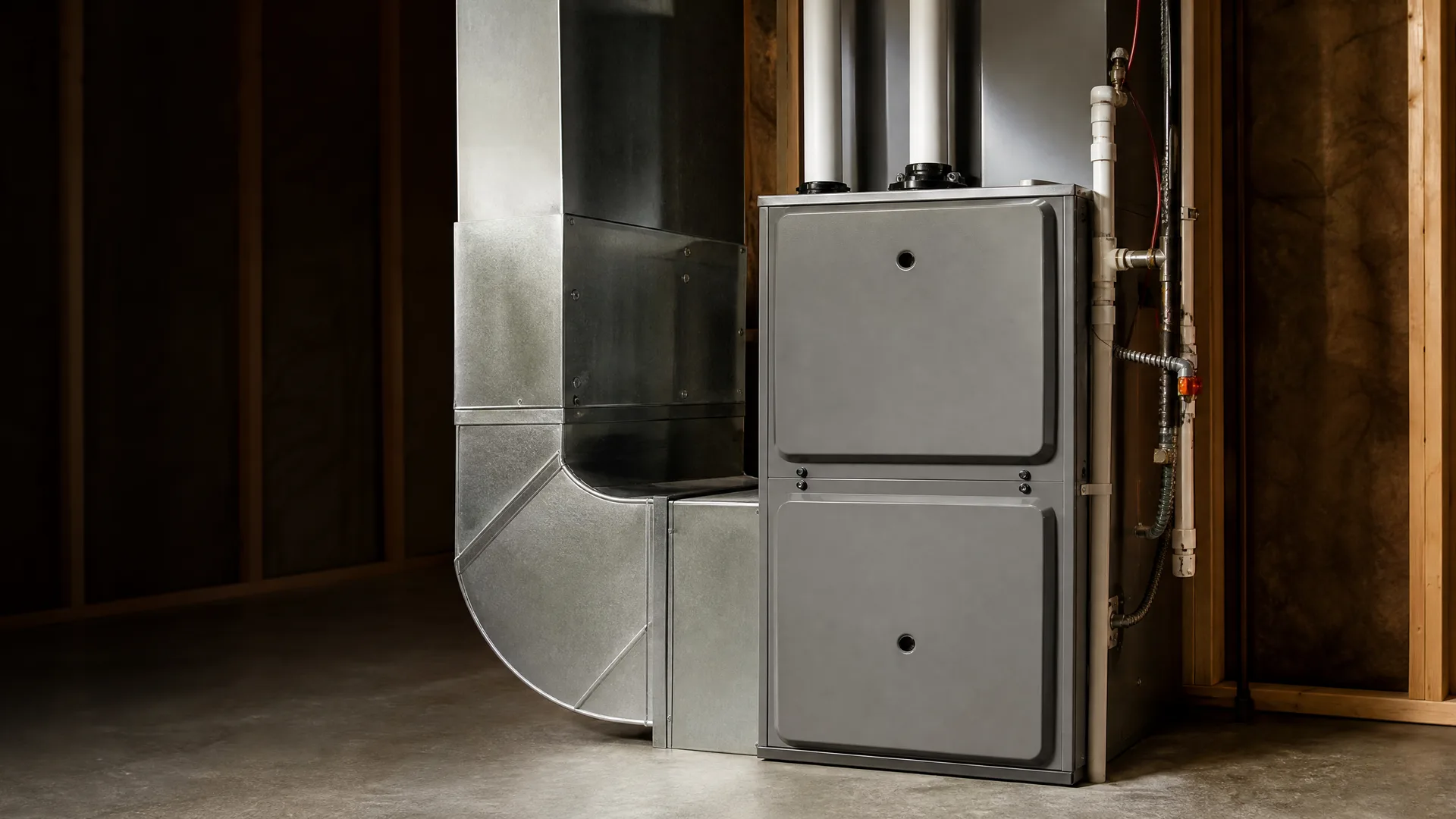
A gray high-efficiency furnace with two white PVC vent pipes stands in an unfinished basement beside galvanized sheet-metal ductwork, with insulated wood-framed walls and piping behind it.

No calling every shop in Geauga County

Tune-up, service, or cleaningFurnace or heatingGeauga County, OH
Step 1 of 2

What ZIP code is the job in?