








Side profile of a bearded man wearing a dark faded baseball cap and a dark gray t-shirt against a plain light background.

What a furnace tune-up covers before an Ohio winter

Tune-up, service, or cleaningFurnace or heatingOhio
Step 1 of 2

What ZIP code is the job in?

A furnace tune-up before winter means a contractor checks the parts that cause most heating failures and cleans what builds up over the summer sitting idle. That includes the igniter, the flame sensor, the burners, and the blower motor, plus a check of gas pressure and the heat exchanger for cracks. A dirty flame sensor or a dirty burner is behind a lot of the no-heat calls that come in once furnaces here start running for the winter. The technician also swaps or checks the filter and tests the thermostat's connection to the system. Most homes in Ohio heat with gas, and a furnace that short-cycles or won't light on the first try in December usually had a small problem back in October that went unnoticed. Catching that before the cold sets in means fewer repairs during the months your furnace runs hardest, and it means the furnace isn't working harder than it has to on gas it's already using every day.

A man in a blue sweatshirt reclines with closed eyes in a brown leather armchair in a living room with a bookshelf, houseplant, sofa, window, and a side table holding newspapers and a dark mug.
A bearded man in a gray pullover reclines with closed eyes on a brown leather sofa in a sunlit room with a window, framed picture, potted plant, and a wooden cabinet holding papers and a dark mug.
A man in a gray sweater leans back with closed eyes in a brown leather armchair beside a wooden side table holding a dark mug and a folded newspaper, with bookshelves and a window seat behind him.
A man in a green sweater reclines in an armchair with his eyes closed and a slight smile, beside a window with plants, a small table holding a mug and folded newspaper, and bookshelves behind him.

The heat exchanger gets looked at first, because a crack in it is the one thing in a furnace that can put carbon monoxide into the house. From there it is the flame sensor, a small rod that tells the furnace a flame is actually burning. Soot builds up on it over a summer of sitting unused, and once it's coated, the furnace will fire and then cut out a few seconds later. Gas pressure gets checked at the manifold, since it drifts over time, and pressure that's off means some rooms run warmer than others. The blower wheel collects dust the same way, and a dirty one makes the motor strain to push the same amount of air, which wears it out faster. Wiring gets tightened throughout, since a connection that's worked loose is a common reason a furnace quits partway through a cold night. On high-efficiency furnaces there's also a condensate line that drains off moisture from exhaust, and if that clogs, the furnace shuts itself down until it's cleared.

What actually gets inspected

  • A technician checks the heat exchanger for cracks, since a cracked one can leak carbon monoxide into the house.
  • The flame sensor gets cleaned, because a layer of soot on it will make the furnace shut off a few seconds after it starts.
  • Gas pressure gets tested at the manifold, since pressure set too high or too low changes how evenly the house heats.
  • The blower motor and wheel get checked for dust buildup, which makes the motor work harder and shortens its life.
  • Electrical connections get tightened, since a loose wire is a common reason a furnace stops mid-cycle on a cold night.
  • The condensate line gets checked on high-efficiency furnaces, because a clog there can shut the whole system down.
A gray furnace with white PVC vent pipes stands beside sheet-metal ductwork in a basement with a smooth concrete floor, exposed wood framing, and plastic sheeting on the walls.
A furnace that got checked before winter starts up on the first call and holds a steady flame through the night.
A beige furnace with two access panels stands against a concrete basement wall, with galvanized sheet-metal ductwork, a white PVC pipe, flexible conduit and insulated ducting around it.
A furnace running on rust and a worn flue is the one that quits on the coldest morning of the year.
A furnace in a dim basement with a dirty pleated air filter partially pulled out of its slot, beside a water heater and concrete walls and floor.

You pull the filter out to look at it before the cold really sets in. It's a Saturday afternoon in October, light coming in thin through the basement window. The filter is grey, matted with dust, heavier than it should be. You'd meant to check it back in August and didn't. Upstairs the house is quiet, the windows still cracked from the last warm week. You turn the filter over once, set it on top of the furnace, and stand there a minute looking at the burners through the access panel, at the layer of dust along the top of the cabinet. Ohio winters don't wait long once they start. You already know you're not getting back to this tomorrow.

Check It Now or Risk It in January

Skip it

  • The furnace starts cold on the first hard freeze, exactly when a failed igniter or a tripped limit switch leaves you without heat the longest.
  • Any soot on the flame sensor or rust in the burners keeps building until the furnace starts short cycling or won't stay lit at all.
  • A cracked heat exchanger can go unnoticed, and that's the one failure that puts carbon monoxide into the house instead of just cutting the heat.
  • Gas pressure that's drifted out of range stays that way, so the furnace burns less efficiently on every cycle all winter.
  • If something fails in January, you're scheduling a repair on the contractor's timeline instead of your own, often during their busiest week of the year.

Get it checked

  • A technician catches a cracked heat exchanger, a dirty flame sensor, or a clogged burner before any of them cause a breakdown.
  • Gas pressure gets tested and set to spec, so the furnace runs at the efficiency it was built for instead of fighting itself.
  • Ohio winters run gas furnaces hard for months straight, and a unit that's been checked is the one that holds a steady flame through the night.
  • You schedule the visit on a calm Saturday in October, not during the first cold snap when every furnace in the county is failing at once.
  • With power costing what it does here, a furnace running clean and at the right pressure keeps more of that cost off the bill it would otherwise run up.
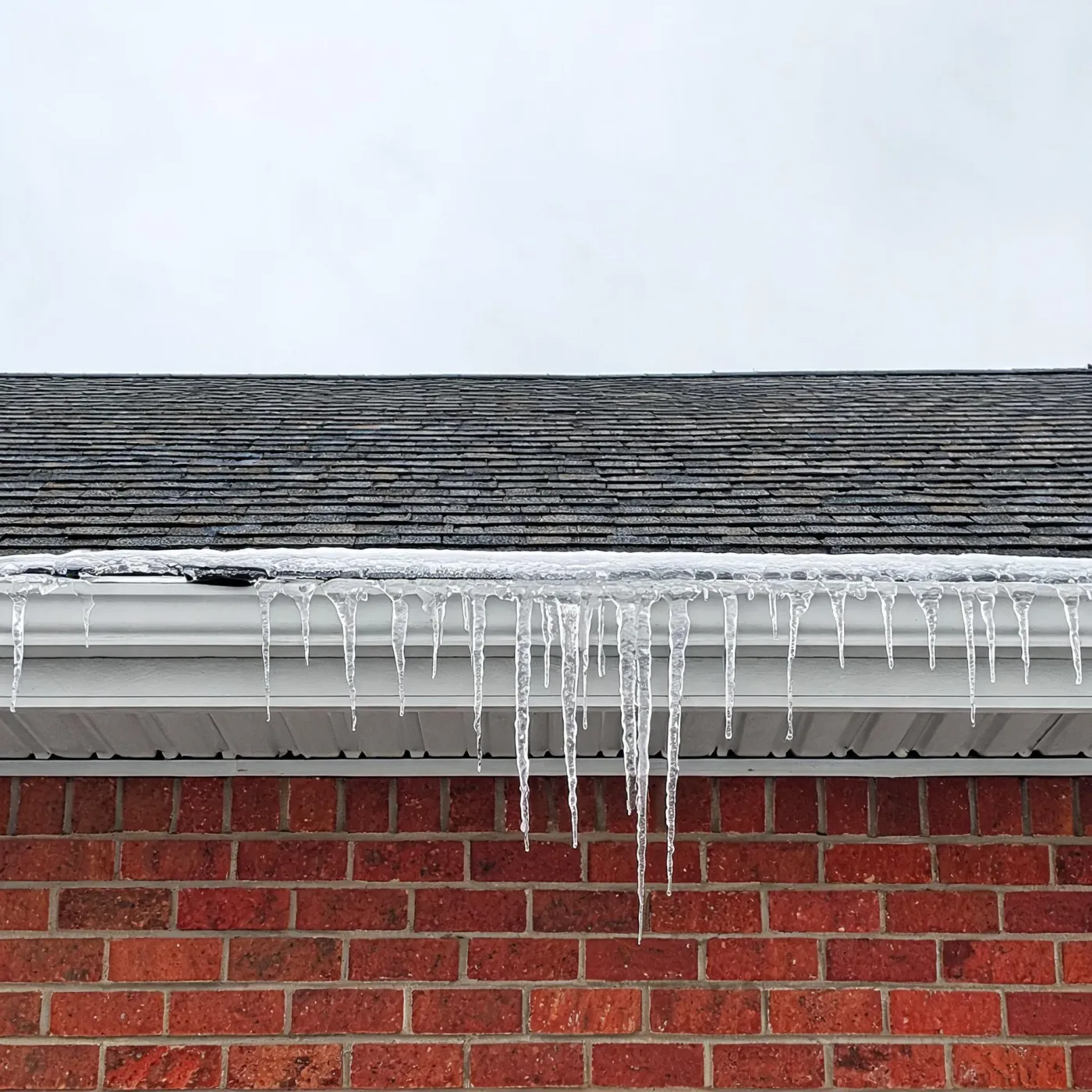
Icicles hang from a white gutter and fascia below an asphalt shingle roof above a red brick wall, under an overcast white sky.

Ohio winter nights average 23°F statewide, per NOAA. That's the kind of cold that makes a furnace run most of the night instead of cycling on and off a few times. A furnace with a weak igniter or a cracked heat exchanger doesn't fail gently at that temperature, it fails outright, usually in the hours when the house has no one awake to notice the cold creeping in. A tune-up before the cold sets in catches the parts that give out under that kind of steady load. Once you send the request, you're done looking. A local contractor who works on furnaces all winter in this kind of cold takes it from there, and you're not fielding calls from three different companies trying to figure out who to trust.

NOAA nClimDiv 1991-2020 county normals weighted by homes

It's off your list after this

A licensed local pro takes the request for your furnace tune-up.

There's no charge for the request.

A gray high-efficiency furnace with two access panels stands in a bare basement corner, connected to sheet-metal ductwork, white PVC vent pipes, and flexible gas and electrical lines.

What the blower moves all night

A gas furnace heats air across the heat exchanger, then the blower pushes that air through the ducts into every room. If the blower motor is weak or the wheel is caked with dust, less air moves across the hot exchanger, and the furnace can run hotter than it should. That's why a tune-up includes clearing dust off the blower wheel and checking that the motor runs at the right speed.

A gas furnace with metal ductwork, copper and yellow gas piping stands against a wall in an empty room with a bare concrete floor.

Where the gas actually burns

The burners are where the gas ignites, and they need to burn with a steady blue flame. Rust or corrosion on the burners can throw that flame off, making it yellow or uneven, which means the gas isn't burning all the way. A technician looks at the flame itself during a tune-up, because the color and shape tell him whether the burners are clean or need attention before the furnace runs through another Ohio winter.

Winter nights average 23°F statewide

At 23°F, your furnace is running long stretches, not short bursts. A weak igniter or a dirty flame sensor that might limp along on a mild night has no room to fail when it has to hold a flame for hours straight.

NOAA nClimDiv 1991-2020 county normals weighted by homes

Getting it done before the cold

A tune-up takes a contractor an hour or so on a weekend morning while the furnace isn't needed yet. They check the heat exchanger, clean the flame sensor, test gas pressure, and send you off with a furnace that's already proven it can hold a flame. If something is worn, there's time to order the part and get it swapped before the first hard freeze. Nothing is running yet, so nothing is at stake while the work gets done.


Waiting until it fails

Skip the tune-up and the furnace tells you something's wrong by not turning on, usually on a morning when the temperature has already dropped into the twenties. A contractor is now diagnosing the same cracked heat exchanger or sooted flame sensor, except the house is cold, a part may need to be ordered, and every other furnace in the county picked that week to quit too. The problem was there in August. Only the timing changed.

A gray-haired man in a blue quarter-zip sweater sits in an armchair with his eyes closed, beside a large window with bare trees outside and a potted plant and lamp nearby.
A woman in a cream knit sweater sits in an armchair indoors, eyes closed and smiling, beside a window showing yellow and orange autumn foliage, with a mug on a wooden side table and shelves holding vases behind her.

Before the First Hard Freeze

  • A tune-up before winter means the igniter, flame sensor, burners, and heat exchanger get checked while the furnace still has time to be fixed if something turns up.
  • Ohio nights that average 23 degrees give a weak part no room to limp along, so catching it in October beats finding out in January.
  • Once you send the request, finding a contractor stops being your job and the search ends there.
  • You get matched with one licensed local contractor who works on furnaces like yours every fall, not a handful of companies competing for the callback.
  • A furnace checked now starts on the first try during the next hard freeze instead of leaving you waiting on a repair in the cold.

A furnace tune-up before winter comes down to this: a contractor looks at the parts that fail most, the igniter, the flame sensor, the burners, the heat exchanger, while there's still time to fix what turns up. Nothing about that changes once the cold sets in. What changes is how much room there is to wait. Ohio nights that average 23 degrees ask a furnace to hold a steady flame for hours, not cycle on and off a few times. A part that was already weak doesn't get a quiet night to rest. It gets the night it fails.

That's the case for doing this in October instead of January. The furnace sitting in your basement right now either gets looked at while it's idle, or it gets looked at after it's already let you down on the coldest morning of the year.

Once you send the request, the search is over on your end. You're not calling around or comparing quotes from three companies hoping one calls back first. You get matched with one licensed contractor working near you, someone who's been inside furnaces like yours every fall and knows what tends to go first in a house built the way yours was. That's the whole job: check it now, fix what's weak now, so the furnace that starts on the first try in October is the same one that starts on the first try in January.

Elevated view over a slate roof with a brick chimney and dormer window, surrounded by dense green trees, looking out across flat farmland fields and a winding river under a hazy sky.

Stop chasing a furnace pro

Send my request

You only hire the pro if you want to.

A furnace that's never been looked at is a guess about whether it starts tonight. Send the request and a local contractor who works on these systems all winter takes that guess off your hands, no other company calling you about it.