




What a heat pump faces in this county
Your winter nights here average 21°F, and that's the number that decides this. A standard heat pump starts losing ground below 40°F and often needs backup heat below about 35°F. That's not a cold snap here, that's a normal night. About half the nights between October and May, roughly 125 of them, drop to freezing or below, and every one of those nights is already past both marks.
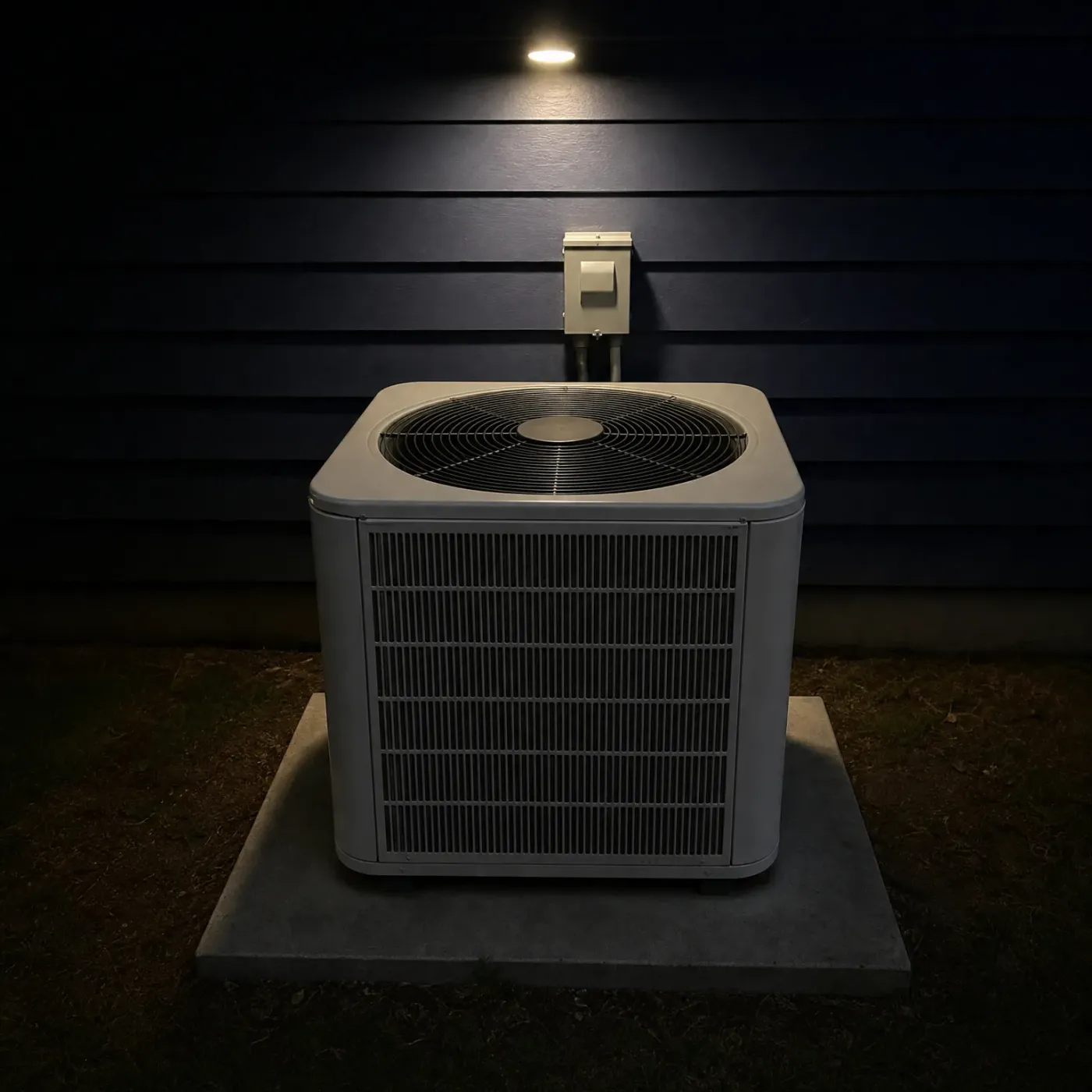
That doesn't mean the heat pump quits. Cold climate models carry an ENERGY STAR rating that requires them to hold at least 70 percent of their capacity at 5°F, and field tests of prototype cold climate units found backup heat covered only a small share of the load between 0°F and 35°F. Running on backup alone was rare even above 0°F, and this county only sees about 5 nights a year that cold. So a cold climate heat pump can carry most of a Geauga County winter on its own. A standard one, built to the federal minimum, will lean on backup heat for a good part of those 125 freezing nights.
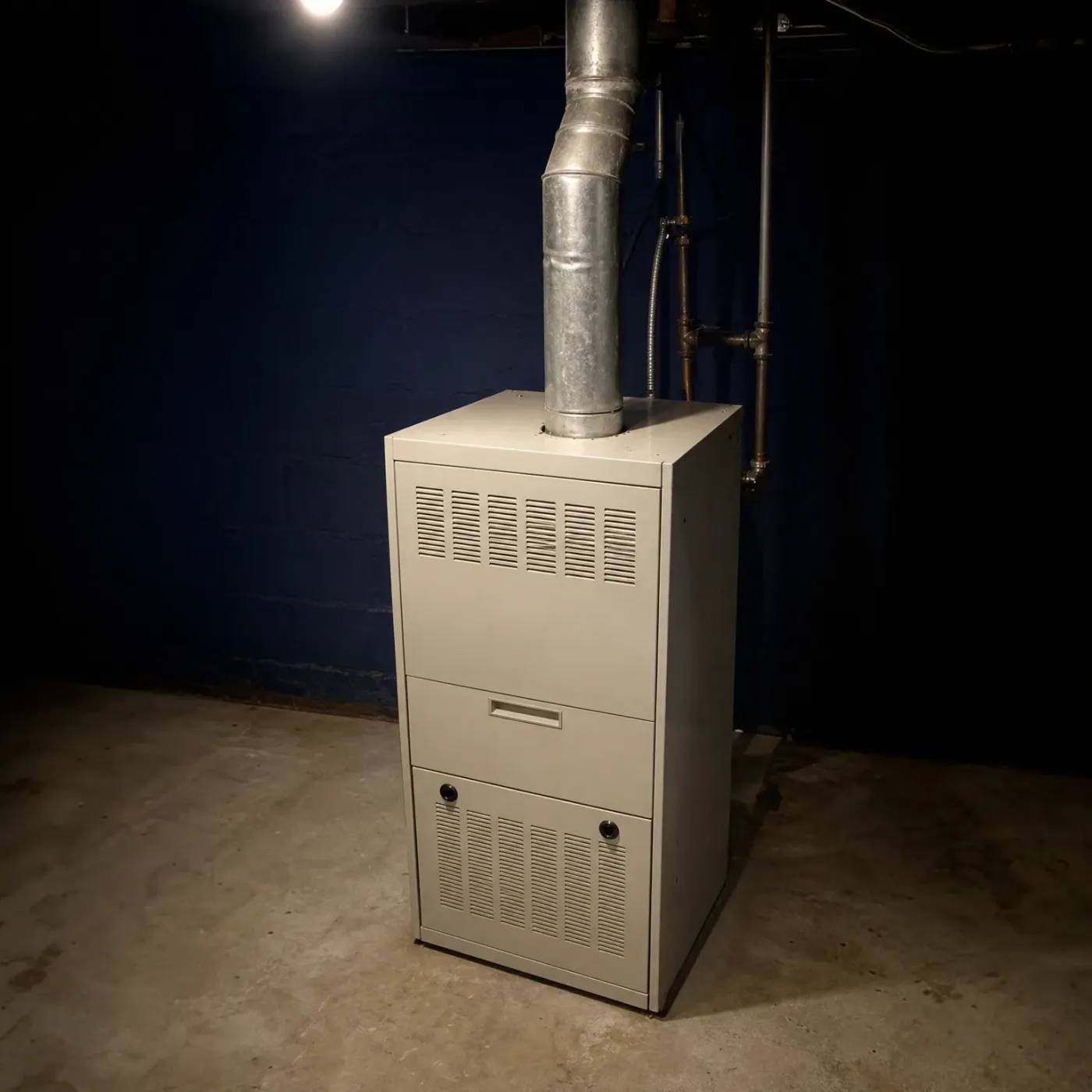
Running cost follows the same split. At Ohio's prices a federal minimum heat pump makes heat for $2.13 per 100,000 Btu against $1.61 for a gas furnace, and that heat pump figure already assumes no backup heat is needed. Add in the electric resistance backup running on the coldest nights and the gap gets wider, not narrower.