
Heat pump not heating in New Philadelphia, OH

RepairHeat PumpTuscarawas County, OH
Step 1 of 2

What ZIP code is the job in?

A heat pump that runs but blows cool or lukewarm air usually means it's stuck in defrost, low on refrigerant, or the reversing valve isn't switching over to heat mode. Once Tuscarawas County hits the teens or lower, outdoor coils ice over more often, and a unit that can't complete its defrost cycle properly will keep circulating cold air. Some homes have a backup heat strip or furnace that should kick in when the outdoor temperature drops too low for the heat pump alone, and if that backup isn't firing, the house won't catch up no matter how long the system runs. A thermostat set to "emergency heat" instead of "heat" will also leave you with weak, inconsistent warmth. None of this is something to wait out. A heat pump that can't keep the house warm during an Ohio winter needs a look from someone who services this equipment before a frozen coil or a failed valve turns into a bigger repair.

A gray outdoor heat pump unit on a concrete pad beside a house with horizontal lap siding, with a conduit running to a wall-mounted disconnect box and a green shrub to the left.

Running the way it should

Air moves out of the vents warm and steady. The outdoor unit cycles on and off on its own schedule, and frost that forms on the coil during a cold snap clears within a few minutes as the unit defrosts itself and switches back to heating.

An outdoor air conditioning condenser unit on a concrete pad beside a house with horizontal siding above a brick foundation, with a flexible conduit running to a wall-mounted disconnect box.

Signs something's wrong

A thick coat of dust or grime on the outdoor coil blocks the airflow the unit needs to pull heat from outside air. Once that coil can't breathe, the system struggles to keep up, and in a Tuscarawas County cold snap it may not heat the house at all.

Ride It Out or Call Now

Keep running it

  • If the heat pump is only struggling on the coldest mornings, the backup heat strips are likely carrying the load until it warms up some.
  • Letting it keep cycling without a tech looking at it risks the outdoor coil icing over for longer stretches each time, which strains the compressor.
  • A unit low on refrigerant will keep losing capacity through the rest of winter, and that loss doesn't correct itself.
  • If the thermostat is calling for heat and the system runs constantly without the house warming up, the electric bill will show it before anything else does.

Get it looked at

  • A tech who services heat pumps in Tuscarawas County through the winter knows which parts fail first once temperatures drop into the teens.
  • Checking refrigerant charge and the reversing valve now can catch the problem before a hard freeze turns it into a no-heat call.
  • A local contractor can diagnose why it's stuck in defrost or blowing cool air without guessing over the phone.
  • Getting matched with one contractor means one visit, one diagnosis, and no juggling calls from several companies.
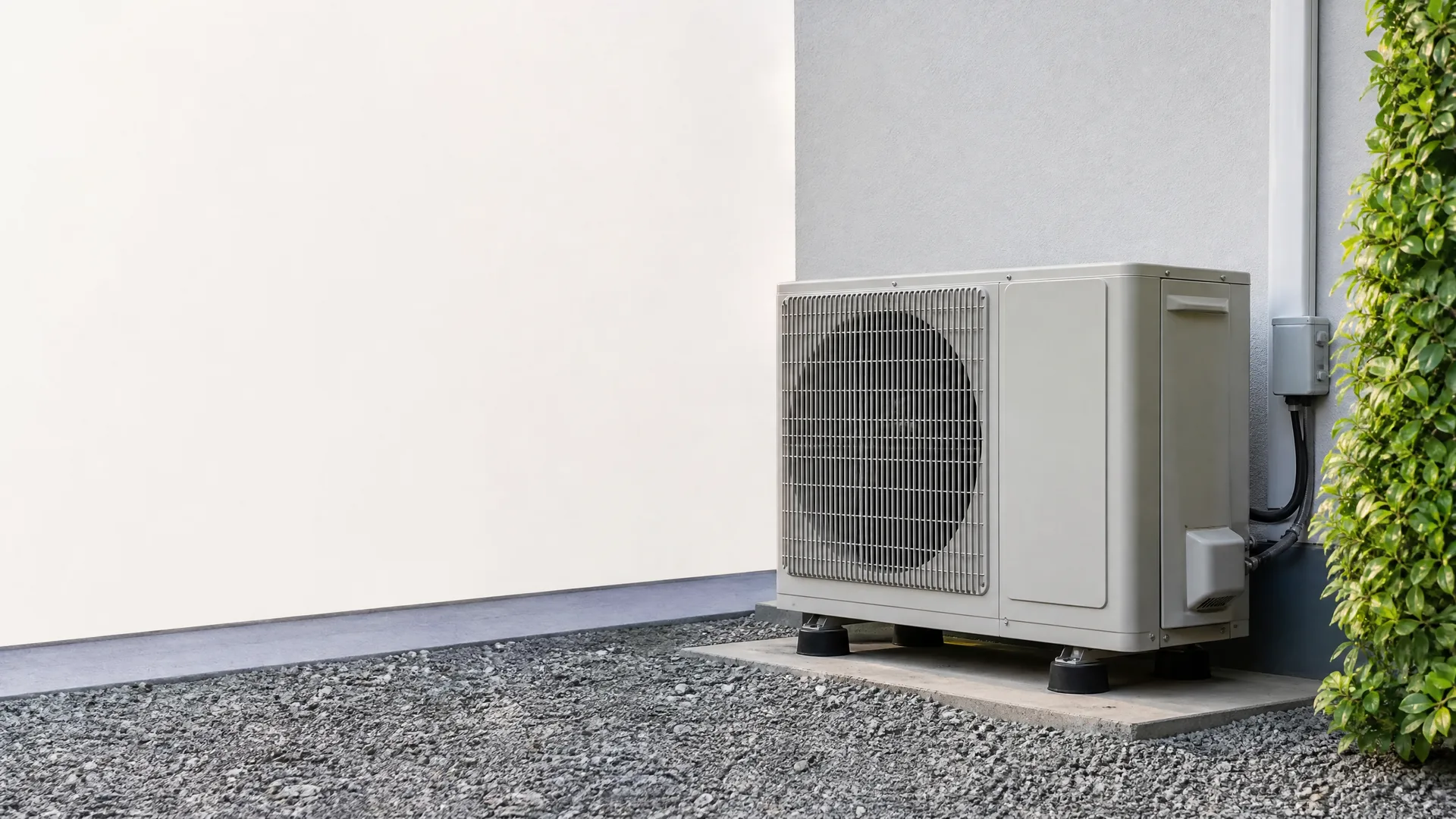
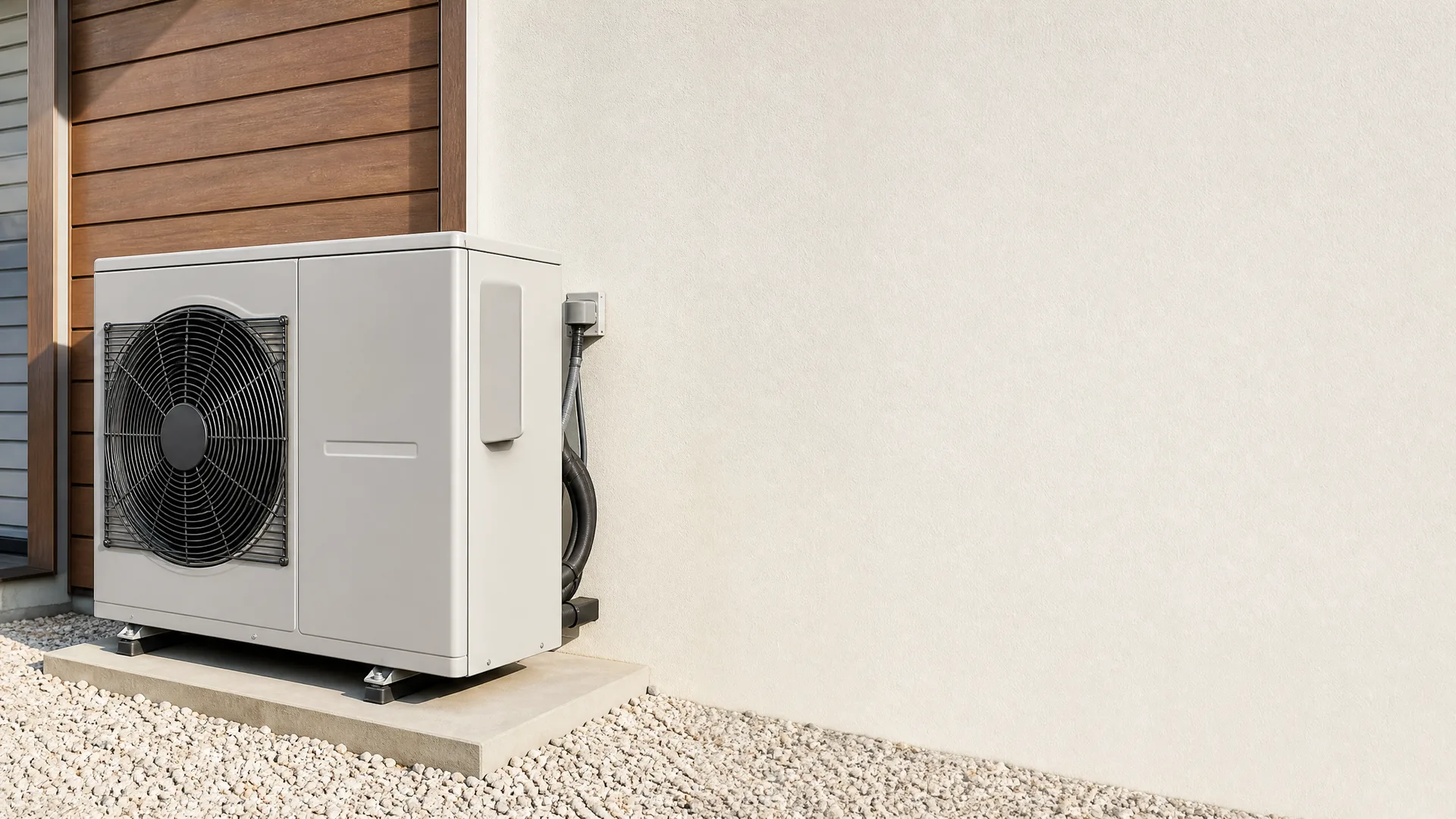
A white outdoor heat pump unit with a fan grille sits on a concrete pad surrounded by light gravel, against a beige stucco wall with wood paneling to the left.

Why the reversing valve sticks

The reversing valve is what switches a heat pump between cooling and heating by changing which way refrigerant flows through the coils. It's held by a solenoid, and that solenoid can fail or get stuck partway, especially after months of sitting in one position over the summer. When it doesn't fully shift, refrigerant moves through the system backward or only partly switches, and the air coming out of the vents stays cool no matter what the thermostat is set to.

An outdoor air-source heat pump unit with a circular fan grille stands on a concrete pad over gravel beside a light stucco wall, with a green shrub at the right edge.

What the defrost cycle is doing

Below freezing, the outdoor coil picks up frost the same way a freezer does, and the unit has to pause and run a defrost cycle to melt it off. During that pause, it may briefly run in cooling mode to warm the outdoor coil, and the indoor air can feel cool for a few minutes. That's normal once or twice an hour in a cold snap. It's not normal when the unit stays in defrost, or cycles into it every few minutes without the coil ever fully clearing.

Why does a heat pump struggle so much in a Tuscarawas County winter?

  • Winter nights average 22°F

    Overnight lows average 22°F here in December, January and February. At that temperature a heat pump has to work harder and lean on defrost cycles more often to keep pulling heat from outside air.

  • Heat runs October through May

    Heat runs October through May here, about eight months out of the year. That's a long stretch for a reversing valve and defrost control to hold up without a problem showing.

  • Cooling runs June through August

    Cooling only runs June through August, about three months. The heat pump spends more than twice as long heating as cooling, so wear on the heating side shows up first.

NOAA nClimDiv 1991-2020

What you'll notice in the house

Rooms farther from the air handler stay a few degrees cooler than the one it's in. The thermostat might say 70 while the air coming out of the vent feels barely warm, sometimes room temperature. You may hear the outdoor unit running close to constantly instead of cycling off, or notice the backup heat strips kicking on a lot, which shows up as higher electric use since power here isn't cheap. If frost is building up on the outdoor coil and not clearing within a few minutes, that's a sign the defrost cycle isn't finishing the way it should.

What happens if it waits

A reversing valve that's partly stuck tends to get worse, not better, especially as temperatures keep dropping through December and January. The outdoor coil can ice over for longer stretches each time, which cuts how much heat the system can pull from outside air even further. Backup heat strips are built to help out on the coldest mornings, not to carry the house for days at a time, and running on them that long adds up fast on the bill. Low refrigerant left unaddressed can also lead to compressor damage, which is a far bigger repair than catching it early.

A woman in a cream turtleneck sweater stands beside a multi-pane window looking out at falling snow, with a dimly lit living room containing a lamp, sofa and shelves behind her.
A woman in a beige turtleneck sweater stands by a large window with snow-covered trees outside, in a living room with a lit lamp, sofa with cushions, and a wood stove with visible flames.
A woman with long dark hair in a beige knit turtleneck sweater stands beside a window with snow outside, looking off to the side, with a warmly lit living room containing a sofa, lamps and a coffee table behind her.
A woman with shoulder-length brown hair in a beige knit sweater stands near a window looking outside at falling snow and snow-covered evergreens, with a dimly lit living room, sofa, lamp, bookshelf and framed landscape painting behind her.
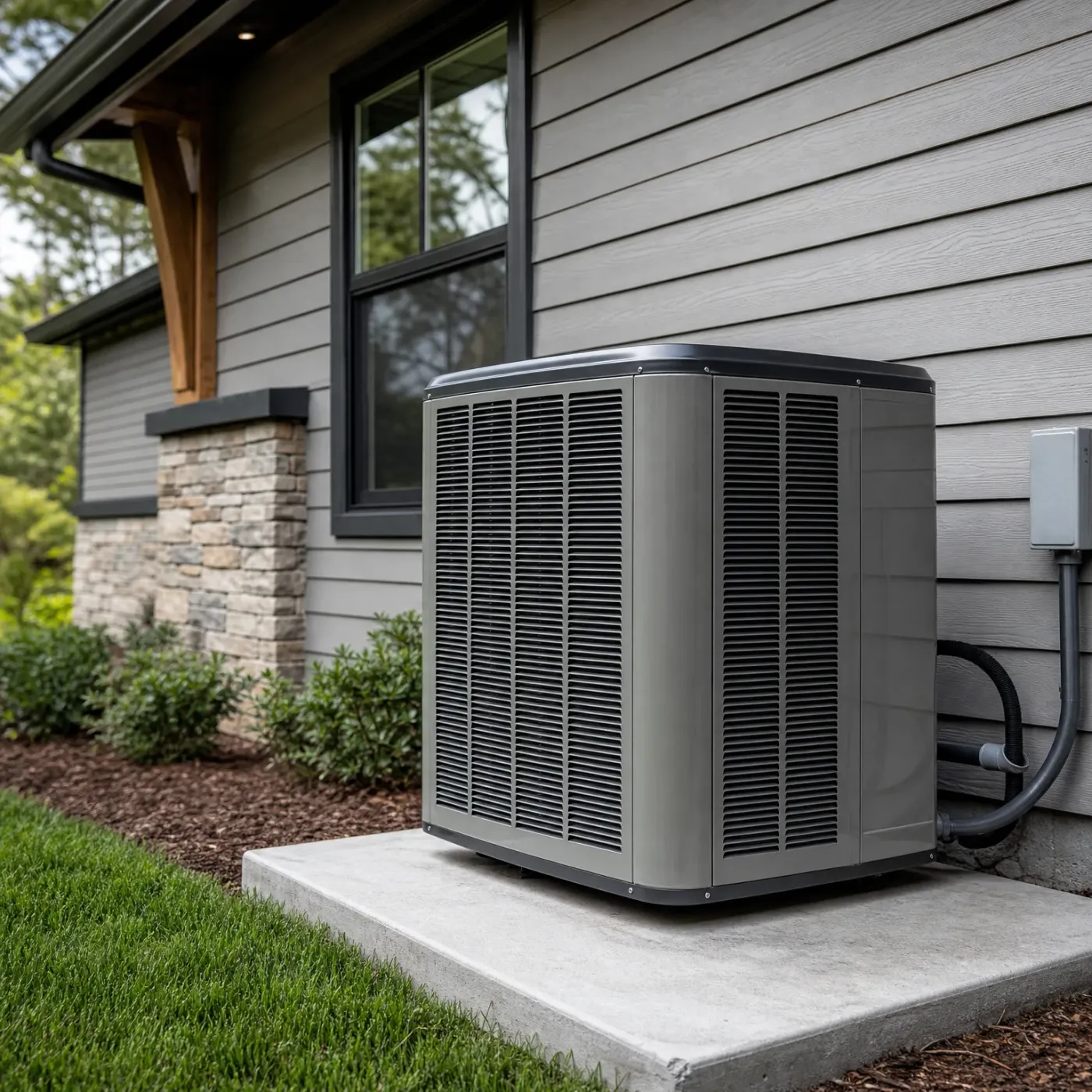
A gray outdoor condenser unit on a concrete pad beside a house with horizontal lap siding, a stone-veneer column, dark-framed windows, shrubs and mulch, and a lawn in the foreground.

The right pro for this job

The pro who reaches out is licensed in Ohio.

Get matched with a pro who fixes heat pumps in Tuscarawas County.

Reach a local pro

No charge to send it. You decide if you hire them.

What's this doing to your heating bill?

When a heat pump can't get warm air out, the backup heat strips pick up the slack, and those run on straight electric resistance, which costs more to run than the heat pump itself. If it's been stuck like this for a few days or longer, you've likely noticed it on the thermostat already, extra runtime with less warmth to show for it. Some homes will see it show up on the power bill before anyone looks at the unit twice. Left alone through a stretch of cold like Tuscarawas County gets in January, the strain also falls on the compressor, which is the most expensive part of the system to replace.

  1. Thermostat calls for heat and signals the outdoor unit.

  2. Reversing valve shifts to send warm refrigerant gas inside.

  3. Compressor and outdoor fan pull heat from the outside air.

  4. Indoor coil and air handler push warm air through the ducts.

A gray outdoor condenser unit on a concrete pad beside a house with horizontal lap siding, with a wall-mounted disconnect box, conduit and insulated refrigerant lines, a shrub at left and gravel at right.
A clean, clear outdoor unit like this one moves plenty of air across the coil, which is what lets a heat pump pull heat from cold air in the first place.
A gray outdoor air conditioning condenser unit on a concrete pad beside a house with light vinyl siding, with a gray electrical disconnect box and conduit on the wall to the right.
Fins packed with dirt and left to weather like this choke off airflow, and a heat pump working that hard can ice over or stop heating altogether.

What's actually behind the failure

  • A low pressure switch or a failed defrost sensor can shut the compressor off and leave only the backup strips running.
  • The defrost board reads a timer and a coil temperature sensor together, and if either one is off, defrost can run too often or not at all.
  • A dirty outdoor coil or a fan motor running slow makes the unit think it needs to defrost when it doesn't.
  • Low refrigerant charge shows up first as weak heat, since the system needs a full charge to move heat efficiently in cold air.
  • A failed run capacitor on the compressor or outdoor fan can keep the unit from starting at all, even though the thermostat calls for heat.
  • Auxiliary heat strips wired wrong or with a blown fuse leave the house cold even when the heat pump itself is working fine.

A heat pump has a few places where cold-weather operation breaks down, and most of them trace back to sensors or switches rather than the compressor itself. The defrost board is the brain of the operation. It reads a timer alongside a coil temperature sensor, and the two have to agree before the unit goes into defrost and before it comes back out. If the sensor is reading wrong, the board can call for defrost every twenty minutes on a night that doesn't need it, or skip it entirely while the coil ices over solid. A low pressure switch is there to protect the compressor, and if refrigerant charge is low, that switch can trip and shut the compressor down, leaving the house running on backup strips alone without anyone touching the thermostat. Charge matters more in heating mode than people expect, since the system is working to pull heat out of air that's already cold, and it needs its full charge to do that efficiently. Airflow across the outdoor coil plays into all of this too. A coil packed with dirt or a fan motor that's slowed down changes how the coil reads to the defrost sensor, which can trigger cycles that aren't needed. And some of this has nothing to do with refrigerant or sensors at all. A failed capacitor can keep the compressor or outdoor fan from starting, and a miswired or blown-fuse auxiliary strip can leave the house cold even with a heat pump that's otherwise fine.

An outdoor air conditioner condenser unit on a concrete pad beside a house with beige horizontal siding, with conduit running from an electrical box on the wall.
Before you get your heat pump repair
A gray outdoor condenser unit sits on a concrete pad against a house wall with horizontal siding above a stone veneer base, with an electrical disconnect box and conduit on the wall and a leafy shrub in mulch to the left.
After you get your heat pump repair

Wait and see

You keep an eye on the thermostat and hope the next defrost cycle clears it. Some days it's fine. Other days the backup strips run for hours and the house still feels cool.

Find a licensed heat pump pro

Get it looked at

A tech who works on heat pumps all winter checks the reversing valve, the charge and the defrost board, and tells you which one is actually causing it.

Find a licensed heat pump pro
A man with graying hair and a beard in a plaid flannel shirt stands indoors looking out a frosted window at snow-covered trees, with a ceramic mug on the sill.
A bearded man in a dark t-shirt sits on a light sofa, smiling and looking down toward a laptop screen visible at the bottom edge of the frame, with a blurred living space behind him.

Wait through the winter on a system stuck in backup heat, and you're paying for electric resistance heat every time it runs instead of the heat pump doing the work it's built for.

Get the reversing valve or defrost sensor fixed, and the heat pump goes back to pulling heat from outside air the way it's designed to, with the strips kicking in only when they're actually needed.

Power here costs 18.19 cents per kilowatt-hour

At 18.19 cents per kilowatt-hour, those backup heat strips cost real money every hour they carry the load instead of the heat pump. A system stuck running on strips through a cold snap shows up fast on the next bill.

EIA-861 2025

A man seen from behind raises his hand to wave at a woman standing in the open front doorway of a single-story house with gray shingle siding, white columns and a gabled porch entry.

A heat pump stuck on backup heat is fixable

A heat pump that won't put out warm air is almost always one part causing the trouble: a reversing valve that won't shift, a defrost sensor reading wrong, or a coil too dirty to pull heat from the cold air outside. None of those fix themselves over a Tuscarawas County winter. The longer the backup strips carry the load, the more it costs to heat the house, and the harder the outdoor unit works every time it tries to defrost.

Someone who works on heat pumps all winter in this area has seen this exact setup before and knows where to look first. Getting matched means one local contractor reaches out to you directly, not a handful of companies competing for the call. They'll check the valve, the sensors, and the coil, and tell you straight what's keeping your system from heating the way it's supposed to.

A large weathered ceramic vase and a shallow wooden bowl sit on a rustic wooden table beside a window with linen curtains, with a blurred sofa with cushions and a hanging fabric panel in the background.
A sunlit room corner with cream walls, white baseboard and window sill molding, a wood floor, and a dark wooden cabinet on the right holding a pale vase with leafy branches below a framed picture.
A round woven basket with a cream fringed throw draped over its rim sits in a corner on a wood floor, beside a dark wooden cabinet holding a stone vessel, with sunlight from a nearby window on the beige walls.
Interior corner of a room with a white-trimmed window and sill, beige walls, white baseboard molding, and a wood floor with sunlight falling across it; green foliage is blurred outside the window.
Interior corner of a room with cream walls, white baseboard molding, a window with a white sill showing blurred green foliage outside, and a wood plank floor lit by sunlight.
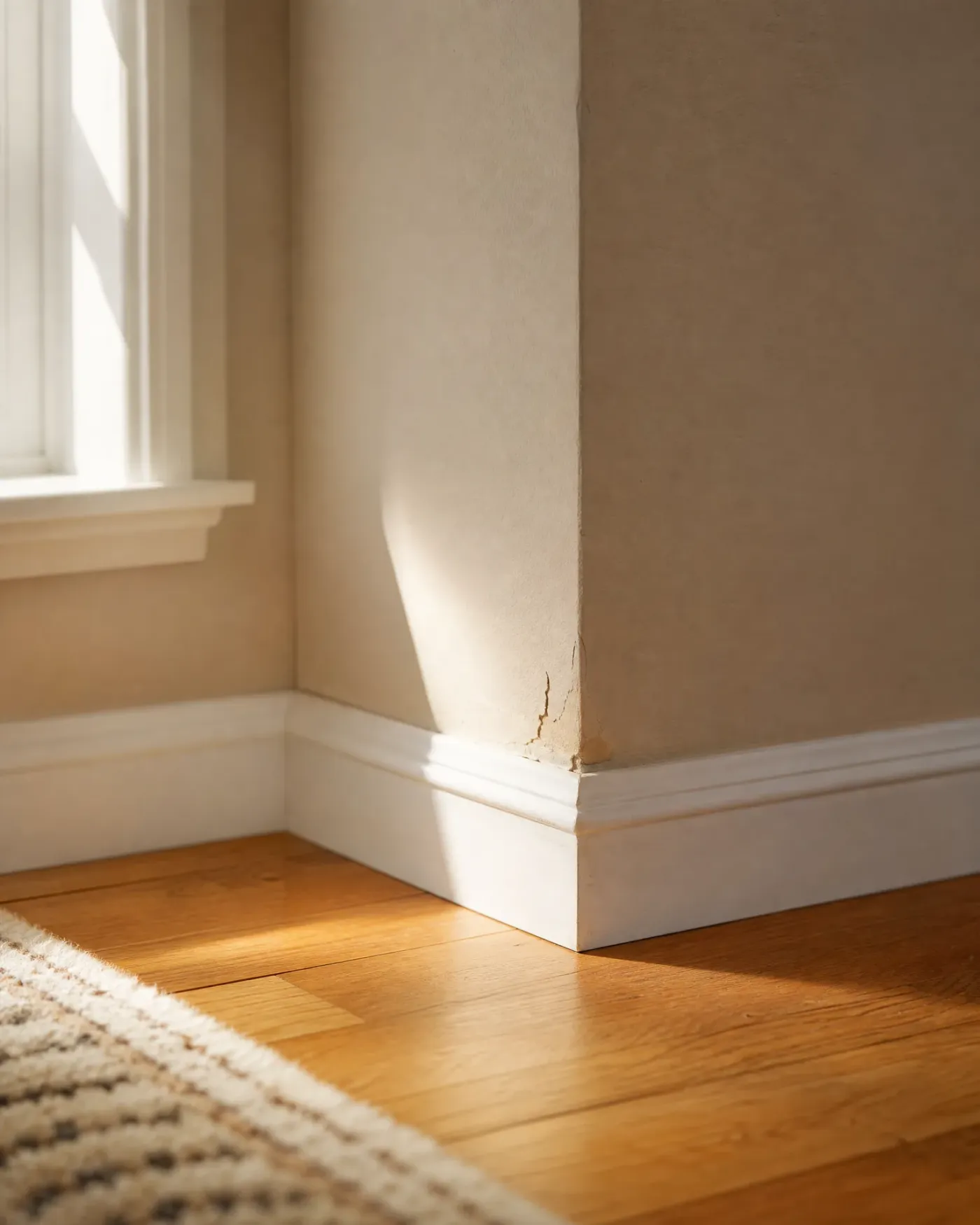
Sunlit interior corner showing a beige wall with a small crack above white baseboard molding, wood plank flooring, a patterned rug edge at lower left, and a window with sill at upper left.

A heat pump pro near you

A licensed pro who works in Tuscarawas County gets your request.

Get one local pro

You only hire the pro if you want to.