





An outdoor air conditioning condenser unit mounted on a concrete pad next to a residential house at sunset.

Heat Pump Installation in Findlay, OH

Tell us about the job

Takes about a minute. No obligation.

New system or replacementHeat PumpHancock County, OH
Step 1 of 2

What ZIP code is the job in?

Ohio homes paid 15.99 cents per kilowatthour for electricity in 2024. That's the rate for every kilowatthour a heat pump pulls. So the unit's efficiency decides how much of the bill goes toward actual heat, and how much just goes toward running the equipment. A heat pump moves heat instead of burning fuel to make it. That means more warmth out of each kilowatthour than baseboard heat or a straight electric furnace gives you. At Ohio's rate, that difference shows up on every bill the system runs on.

8 months
October through May, your system heats
3 months
June through August, it cools
22°F
the average winter night it heats against
83°F
the average summer afternoon it cools against
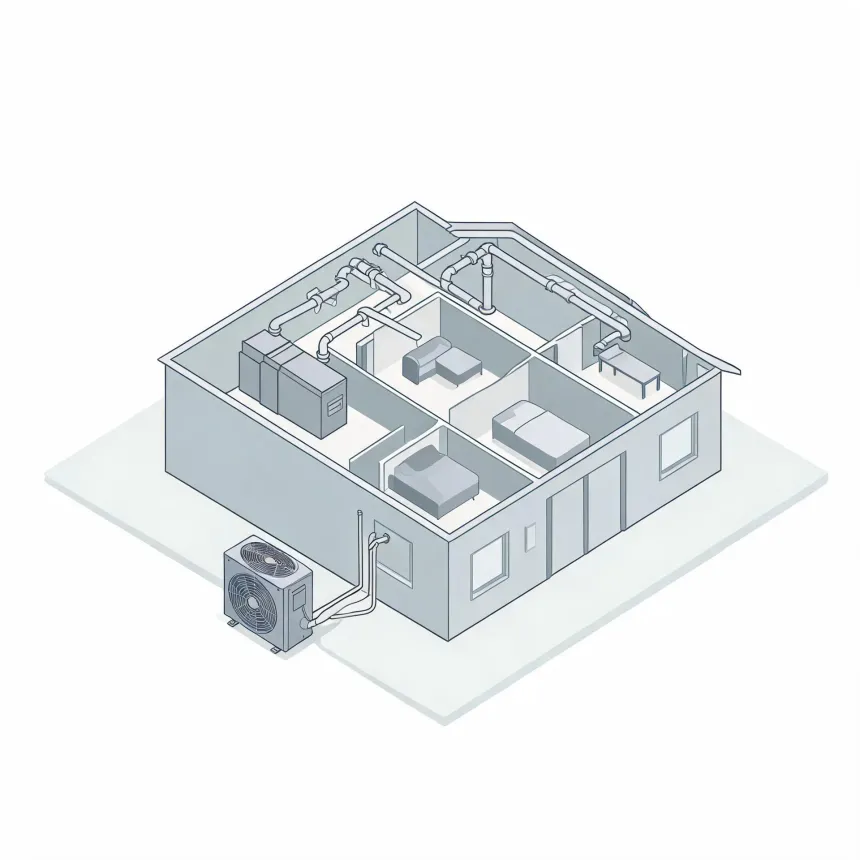
Isometric line illustration of a cutaway single-story house showing interior rooms with beds and furniture, ceiling ductwork connected to an indoor air handler, and an outdoor condenser unit linked by refrigerant lines.
Your system heats October through May and cools June through August.

NOAA nClimDiv, 1991–2020 normals

Half the homes in Hancock County were built in 1973 or earlier.

A heat pump going into a house that age has to be sized for the walls and windows that are actually there. Not for a load calculation built around new construction.

Hancock County winters are cold, not violent, and a heat pump just has to hold up

64 damaging wind events from 2015 to 2024
17 hail events from 2015 to 2024
Winter nights average 22°F
Gas still runs most of Hancock County58.8% of homes here heat with gas. More than any other fuel.

September is the month before heat starts running in Hancock County, so it's the natural point to have a new system in and tested, not October when the house is already asking for heat. Installing ahead of that date means the heat pump runs through a mild stretch before it has to work for real. That gives the contractor a chance to see how it performs and fix anything that needs fixing while the house doesn't yet depend on it. Wait until October and that same testing happens while you're already cold.

Any new system here has to clear 14.3 SEER2 and 7.5 HSPF2

Hancock County sits in zone 5A, and any split-system heat pump installed here now has to meet federal minimums of 14.3 SEER2 for cooling and 7.5 HSPF2 for heating. That floor narrows what a contractor can install. Heat pumps that meet it may also qualify for a federal tax credit, worth checking into before you settle on a system.

Find a contractor
A white mini-split heat pump outdoor unit mounted on a concrete pad beside a gray-sided house, surrounded by gravel and green shrubs.

A steady cold, not a hard one

That 22°F average means steady running, not wild swings. A heat pump put through a winter like that wears the way any machine wears when it's just doing its job. By age and hours, not by strain. So the pick here doesn't have to be the model with the best cold-weather numbers on the shelf. It has to be one that's built well and serviced on schedule. That's what decides how it's running years out.

The old furnace or AC comes out

A contractor disconnects the refrigerant lines, ductwork, and power or gas connections, then hauls off the old equipment. Swapping a gas furnace for an all-electric heat pump? The gas line gets capped off properly. It doesn't get left live and unused.
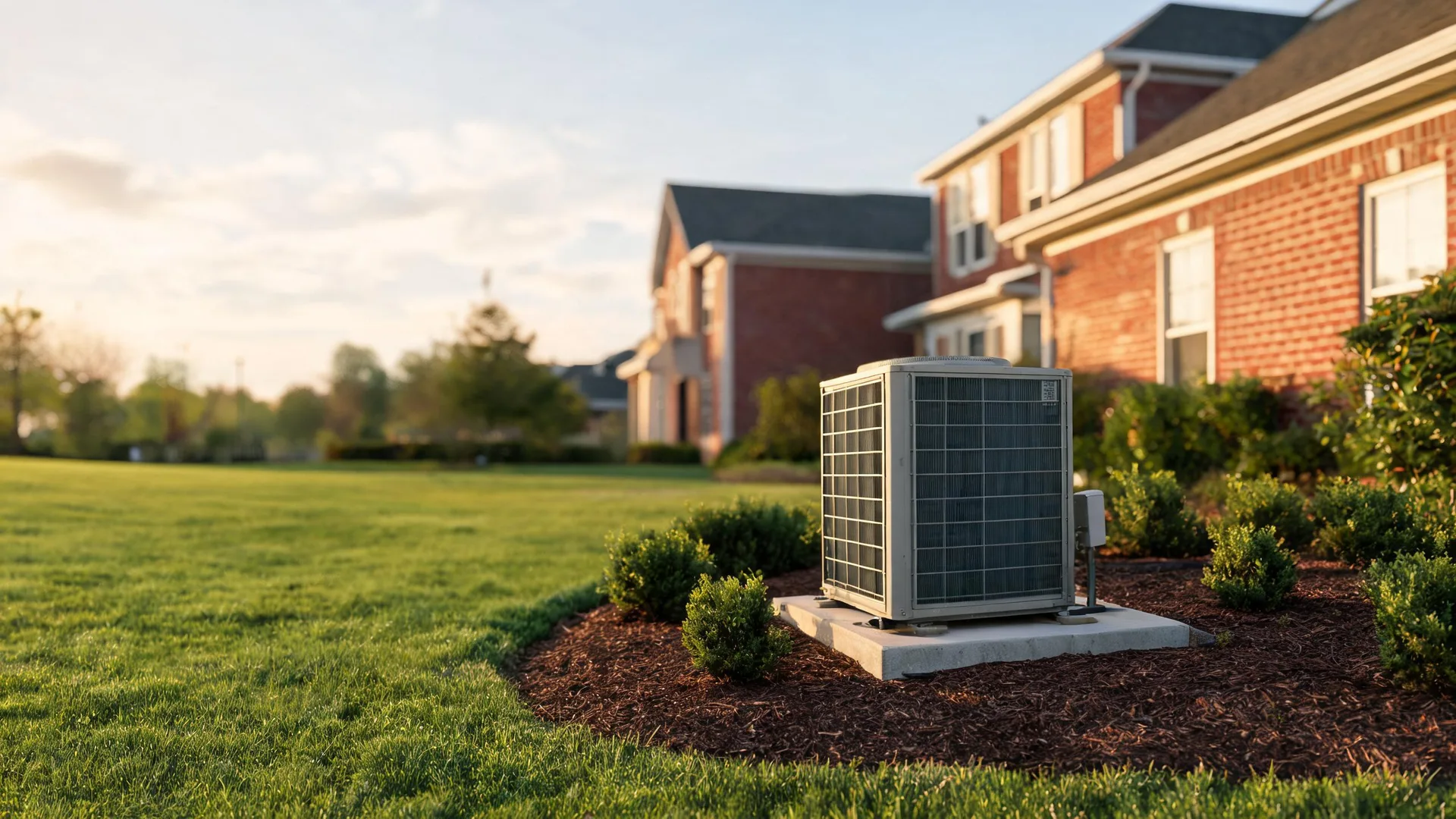
What's buried in the yard or attic stays unless you ask

An old refrigerant line set or electrical whip can sometimes be reused, if it matches what the new heat pump needs. Otherwise it just sits there doing nothing. Ask the contractor what's being reused and what's being replaced. That's what decides what the walls and yard look like when the job is done.

The cost of a heat pump installation comes down to how much has to change to put it in. It's not just the price tag on the equipment. Ductwork is a big part of it. If the ducts already in the house can handle the air a heat pump moves, the contractor hooks into them and the job stays simple. If they're undersized or leaky, they need work first, before the new system can heat the house evenly. That's labor on top of the unit itself. The electrical panel matters too. A heat pump draws more power than a gas furnace ever did. If the panel is full or the circuit isn't there, that has to get added before the install can finish. Where the outdoor unit sits matters as well, and so does the distance the line set has to run between the indoor and outdoor parts. A longer or more awkward run takes more material and more time than a short, straight one.

By install day, the load calculation is already done and the equipment is already on site. So the work itself is just putting it together, not figuring things out. The outdoor unit sits on a pad or bracket. The indoor coil goes wherever the old one was, usually above the furnace or in its own air handler. The line set gets run or reused, then pulled into a vacuum to clear out moisture and air, then charged with refrigerant to the weight the manufacturer calls for on that line length. Electrical comes next. The heat pump needs its own disconnect and a circuit sized for it. Once it's powered up, check refrigerant pressures, airflow at the vents, and the temperature split between return and supply air. A unit can be wired right and still be off on charge or airflow, so that check matters. Swapping a gas furnace over to electric only, with no other changes, usually takes a full day. Add new ductwork or a panel upgrade ahead of it, and it takes longer, since that work has to get done and inspected before the heat pump goes in.