





A row of dark-clad single-story houses with gabled roofs behind trimmed hedges, lawn and leafy trees under an overcast sky.

Heat Pump Installation in Chillicothe, OH

Tell us about the job

Takes about a minute. No obligation.

New system or replacementHeat PumpRoss County, OH
Step 1 of 2

What ZIP code is the job in?

Electricity here runs 16.16 cents per kilowatt-hour, more than most counties in the country pay. A heat pump run on electricity alone, so every degree it moves costs something on the meter. In most places that rate would barely register against the bill. Here it means the efficiency of the unit you install carries more weight than it would almost anywhere else. Two systems that look the same on the showroom floor can land on your bill very differently once they're running against that rate month after month.

8 months
October through May, your system heats
4 months
June through September, it cools
25°F
the average winter night it heats against
83°F
the average summer afternoon it cools against
Isometric line illustration of a cutaway single-story house showing interior rooms with furniture and ceiling ductwork, connected to an outdoor condenser unit on the ground outside the left wall.
Your system heats October through May and cools June through September.

NOAA nClimDiv, 1991–2020 normals

Heat here runs October through May, eight months out of the year.

Get the new system in before September ends, and the first cold night isn't the night you find out something's wrong.

Almost half the homes in Ross County already run on electric heat

47.3% of homes heat with electricity
Climate zone 4A
Power here costs 16.16 cents per kilowatt-hour

Ross County falls under zone 4A in the 2021 energy code, a mixed climate that asks real work of both heating and cooling. Any split-system heat pump installed here, if built new, has to meet the federal minimum for that climate: at least 14.3 Btu of heat moved for every watt-hour it uses over the summer, and at least 7.5 Btu per watt-hour over the winter. That floor narrows what a contractor can offer you. It also means the unit going into your home already has to clear a bar set for a climate that runs hot summers and cold winters both, not one or the other.

The unit you choose is what you'll pay to run

Power here costs more than it does almost anywhere else, and a heat pump runs on nothing but electricity. That makes the efficiency rating on the unit you pick one of the few things you control once it's installed. Spend some time on that number before you decide.

Find a contractor
A gray air-source heat pump mounted on a concrete pad next to a house with gray vinyl siding, surrounded by gravel and flanked by green shrubs and white hydrangea flowers.

It isn't fighting this place as hard as you'd think

Summer here brings a dew point around 63 degrees, which is real work for a heat pump to wring out of the air. But that load falls in June, July and August. It isn't carrying that weight day after day for months on end. Damaging wind, hail and winter storms show up in the records too, and none of that is strain the unit itself has to work against. A machine run hard every day tends to fail from heat and wear. One that isn't tends to fail from age, or a part going on its own schedule, or a filter nobody changed. Easier duty doesn't mean nothing goes wrong. It means when something does, fixing it is usually worth doing rather than a sign the system is used up.

The old unit doesn't get left in place

A heat pump installation takes out the indoor air handler or furnace coil and the outdoor condenser both, along with the line set running between them if it's not being reused. The refrigerant in the old outdoor unit has to be recovered before anything is disconnected, not vented, so a contractor brings equipment for that even on a straight swap. What's left behind afterward is a pad, a disconnect box, and whatever ductwork or electrical the old system was tied into, which gets inspected for whether it can serve the new one.
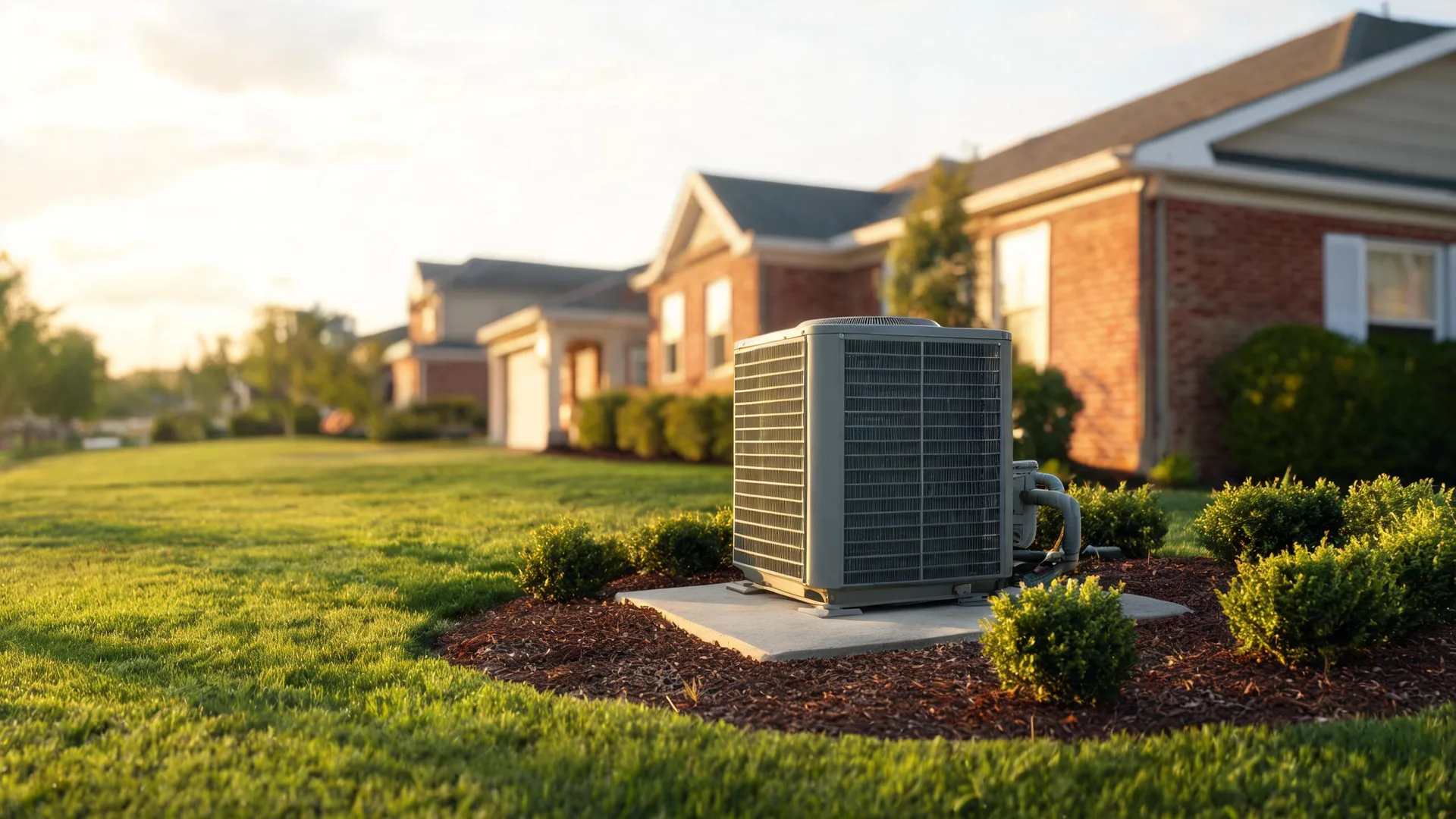
The new system doesn't just drop into the old footprint

A heat pump moves a different volume of air and holds a different refrigerant charge than whatever it's replacing, so the line set, the breaker, and sometimes the ductwork get checked against what the new unit actually needs rather than assumed to match. An old line set sized for a smaller system or the wrong refrigerant can't just be reconnected. Finding that out during the walkthrough, before the old equipment comes out, is what keeps the job from stalling halfway with no heat or cooling running at all.

What drives the cost of an installation is mostly sizing and what has to change to support the new unit. A contractor should run a load calculation on the house rather than matching the size of whatever is being replaced, because the old system may have been wrong from the start. Going bigger isn't free insurance either. An oversized heat pump cycles on and off more than it should, which wears the compressor and leaves the air clammy instead of dry. Ductwork matters just as much as the equipment sitting outside. If the existing ducts are too small or leak at the joints, the new unit can't move the air it's rated for no matter how good the nameplate number looks. Electrical work adds to the job too, since a heat pump often draws differently than what it's replacing, and the panel or breaker has to be checked against that rather than assumed to be fine. None of this shows up in a quick look at the equipment. It shows up in the walkthrough, which is why two contractors pricing the same house can land on very different numbers.

Since the compressor isn't working hard most of the year, the case for installing it here is about fit, not chasing the top number on the spec sheet. A unit sized right for the house and installed with good ductwork behind it will hold up well under duty this light. Spending past that, on a tier built for places where the compressor runs hard day after day, buys protection against wear this house isn't putting on it. The efficiency rating still matters for the bill every month, but matching the unit to the house and the duct run is what decides whether it delivers on that rating at all. A contractor who walks the house before recommending a tier is pricing for what the system here actually has to do.