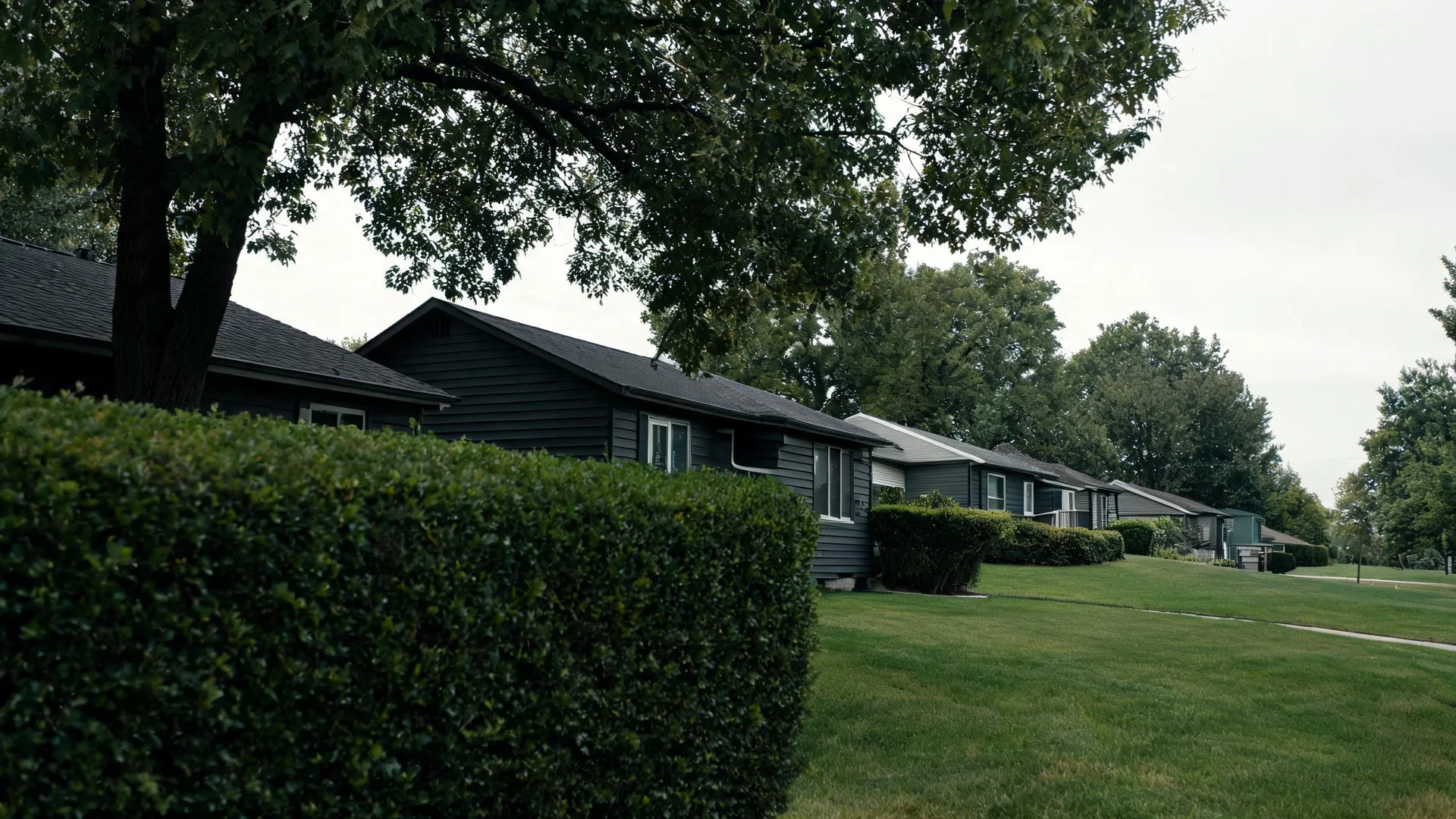
A row of dark-sided single-story houses behind a tall trimmed hedge and a large tree, with a mown lawn and a paved path under an overcast sky.

Furnace Maintenance in Youngstown, OH

Tell us about the job

Takes about a minute. No obligation.

Tune-up, service, or cleaningFurnace or heatingMahoning County, OH
Step 1 of 2

What ZIP code is the job in?

One check a year is enough

The furnace here runs from October through May and sits idle the rest of the year. One maintenance visit before that stretch starts is enough to cover it. There's no second season of heavy use that calls for a mid-year check.


Time it before October

Once the furnace is running every day, a cracked heat exchanger or a weak igniter shows up as a cold house with the overnight temperature down near 21°F. Scheduling the check before October catches the same problem on a mild day instead.

October is the first month Youngstown furnaces run every day.

September is when they still sit idle, the right time for the check.

Most of this county heats with gas, so the furnace needs more than a filter

77.7% of homes heat with gas
Climate zone 5A
Heat runs October through May

A furnace that never gets looked at still runs, right up until the day it doesn't. Dust builds up on the burners and they stop burning clean. The flame sensor gets a coating on it and starts telling the control board there's no flame when there is, so the furnace shuts itself off a few seconds after starting. Igniters age over time and eventually crack or stop glowing hot enough to catch the gas. None of this announces itself ahead of time. The furnace runs fine for weeks, then quits on the coldest night of the year because that's when it's working hardest and whatever was already weak finally gives out.

One visit a year, scheduled right, covers it

Gas cost Ohio homes $12.89 per million Btu last year. That price doesn't change whether the furnace runs clean or runs dirty, but a furnace that's been checked uses less of it to do the same job. One visit a year covers this furnace. Nothing about the months it sits idle calls for a second check.

Find a contractor
A man in a dark cap, gray long-sleeve shirt and brown work pants climbs porch steps toward a navy front door, carrying a canvas tool tote with tools in its pockets, beside a potted evergreen shrub in a blue planter.
A gray high-efficiency gas furnace installed in an unfinished basement, surrounded by gas lines, a condensate drain, and sheet-metal ductwork.

An old house, run through a furnace once a year

Half the homes in Mahoning County were built in 1963 or earlier. A furnace that old has usually been replaced since, but the ductwork and gas line it connects to are often whatever the house came with. A yearly check isn't just about the furnace itself. It's a chance to catch a connection or a setting that's drifted out of adjustment over the years, before it shows up as a cold house in the middle of winter.

The filter is doing more than cleaning air

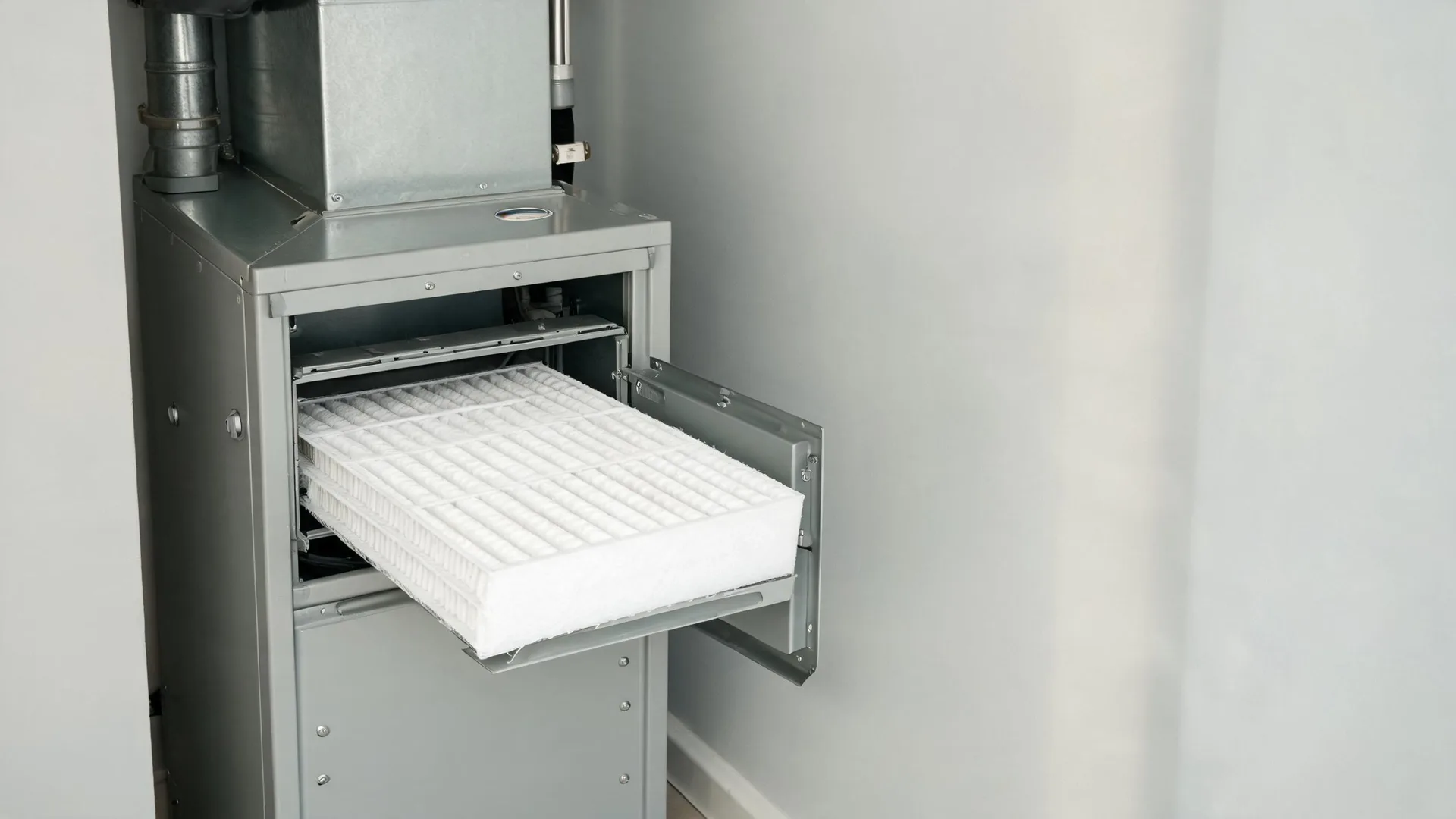
A dirty filter blocks airflow across the heat exchanger. Starve that airflow and the exchanger runs hotter than it should, and the limit switch may start cutting the furnace off mid-cycle to protect it. A filter that's packed with dust is a furnace working against itself every time it starts.

The drain only matters if yours has one

A high-efficiency furnace condenses exhaust into water and needs somewhere for it to go. If that drain line clogs, the furnace can lock out rather than risk water backing up into the cabinet. An older standard furnace vents as gas, no condensate, no drain, nothing there to check.

A quick visit is a filter swap and a glance at the flame through the sight glass. A thorough one takes the burners out and cleans them, checks the flame sensor instead of just wiping it, and tests the limit switch and the pressure switch while the furnace is actually running, not sitting idle. It includes pulling the igniter and looking at it, not just confirming the furnace starts. Someone thorough checks the venting for a correct slope and a tight connection at every joint, and tests for gas leaks at the valve and union fittings rather than assuming the line is fine because the furnace fired up. If the furnace has a condensate drain, a thorough check means running water through it to confirm it actually clears, not just glancing at the tube. The difference rarely shows up on the invoice. It shows up on the coldest night of the year, when the furnace that was actually opened up keeps running and the one that got a filter and a look doesn't.

A tune-up is a sequence, not a glance. The burners get pulled and cleaned, because soot changes how they burn and a furnace burning dirty runs hotter than it should. The flame sensor gets checked with a meter, since a coated sensor can still pass a visual look and fail the next cold start. The inducer motor gets listened to and watched, because a bearing starting to go will show up as a grinding sound or a slow spin-up before it quits outright. The gas pressure gets measured at the manifold, not assumed, since a furnace running on the wrong pressure can crack a heat exchanger over time without ever shutting itself off. Every wire connection at the control board gets checked for a loose screw, because a connection that's vibrated loose over a year of cycling is a callback waiting to happen. None of this takes long when the furnace is in good shape. It takes exactly as long as it needs to when something's starting to wear.